
Last updated November 16, 2026
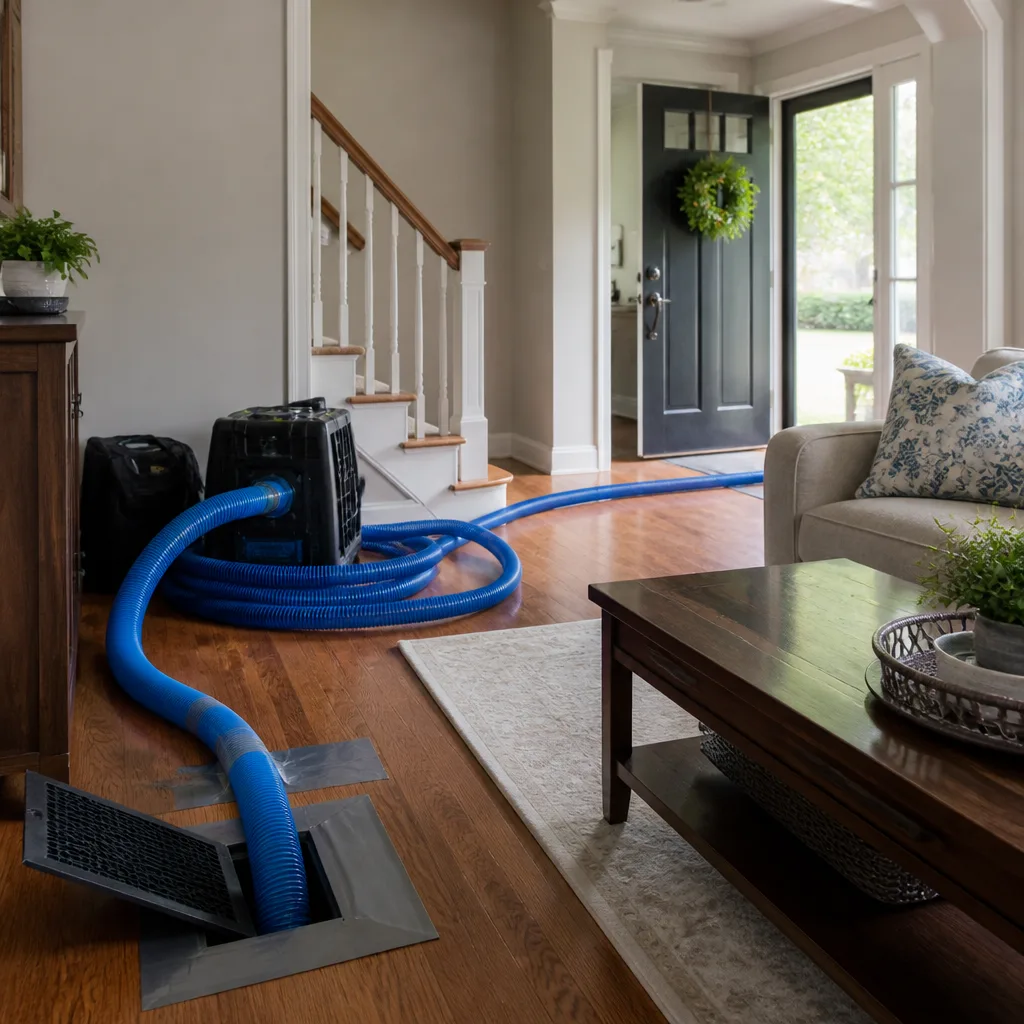 Whole-home duct cleaning
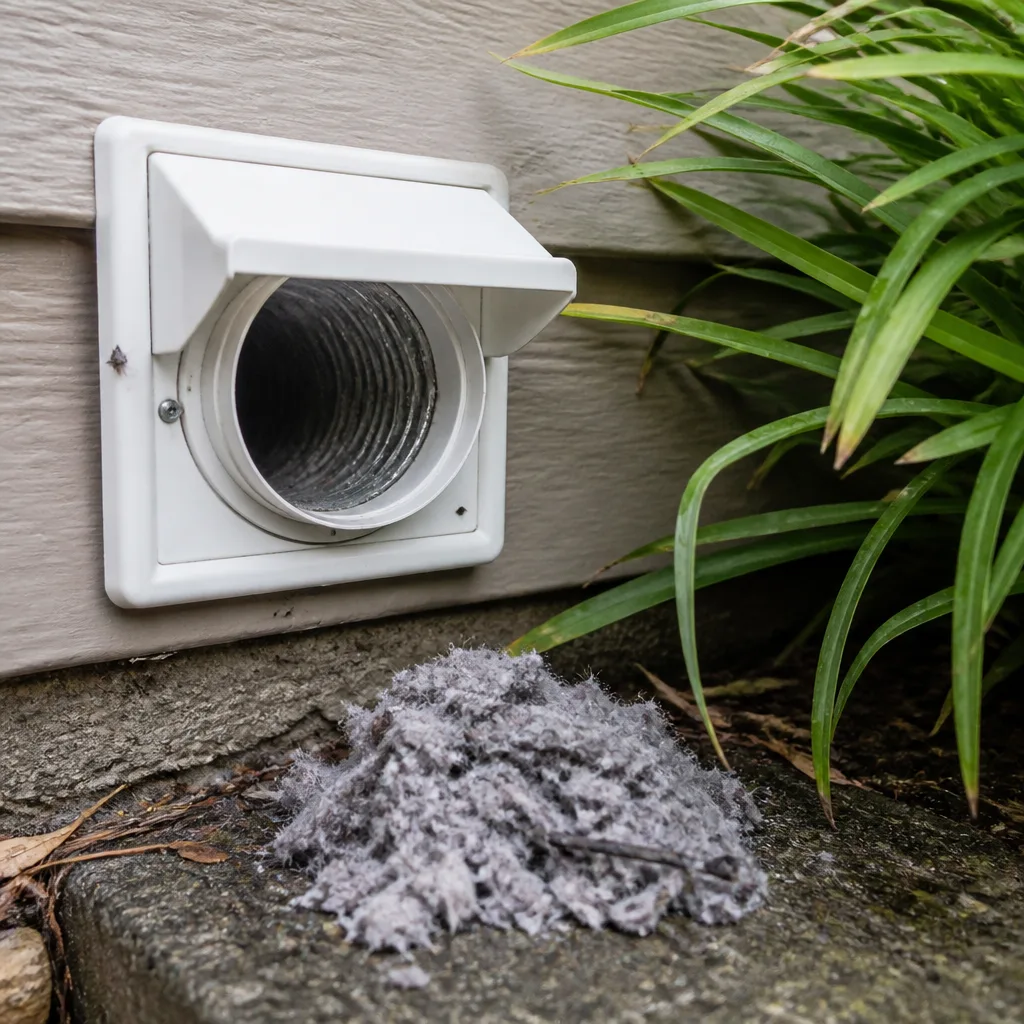 Dryer vent cleaning
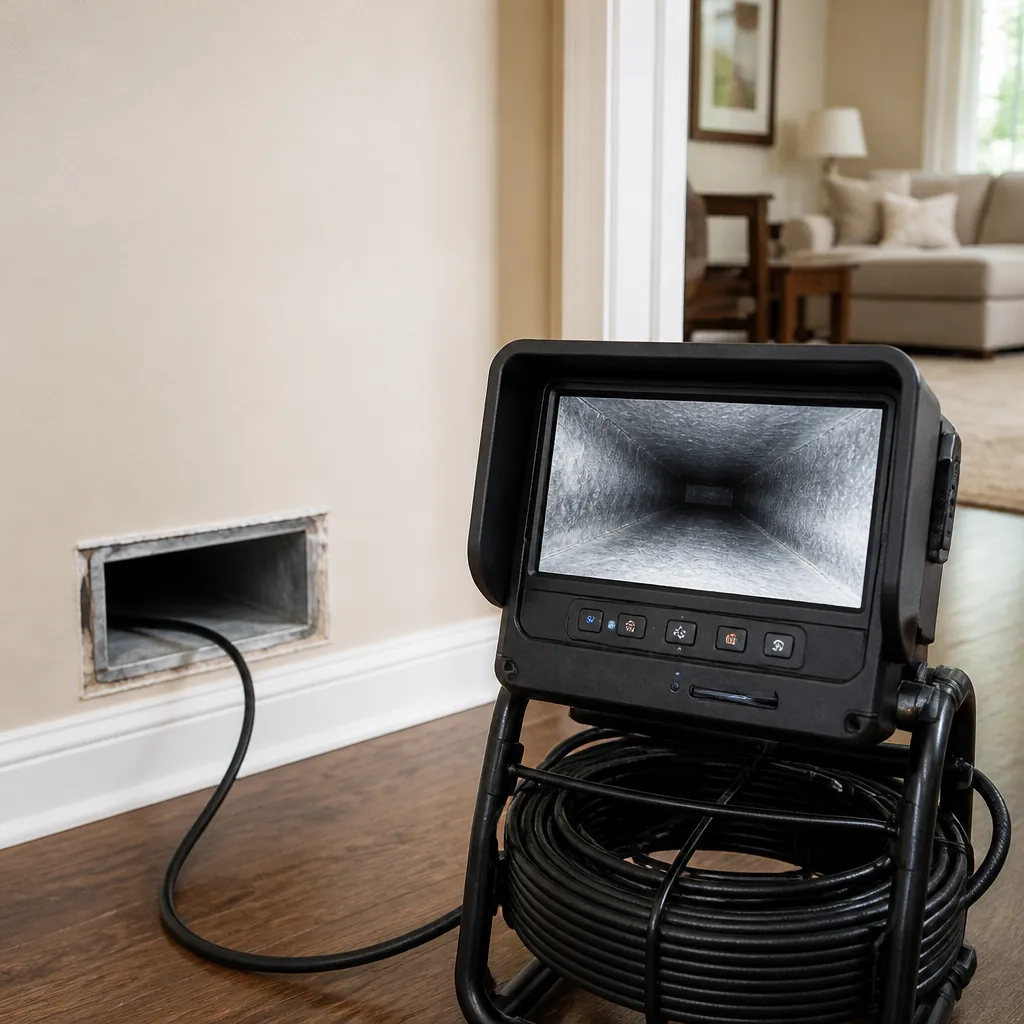 Camera inspection
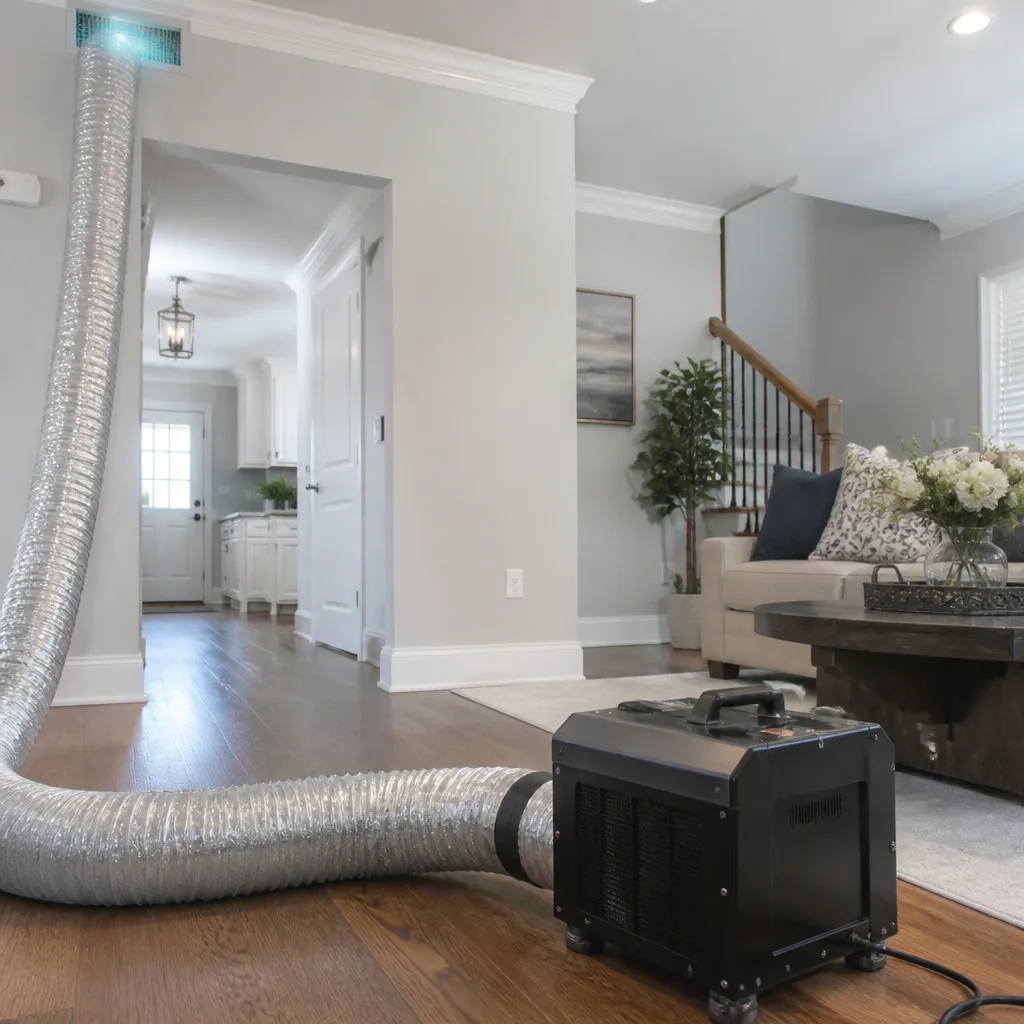 Sanitizing & deodorizing
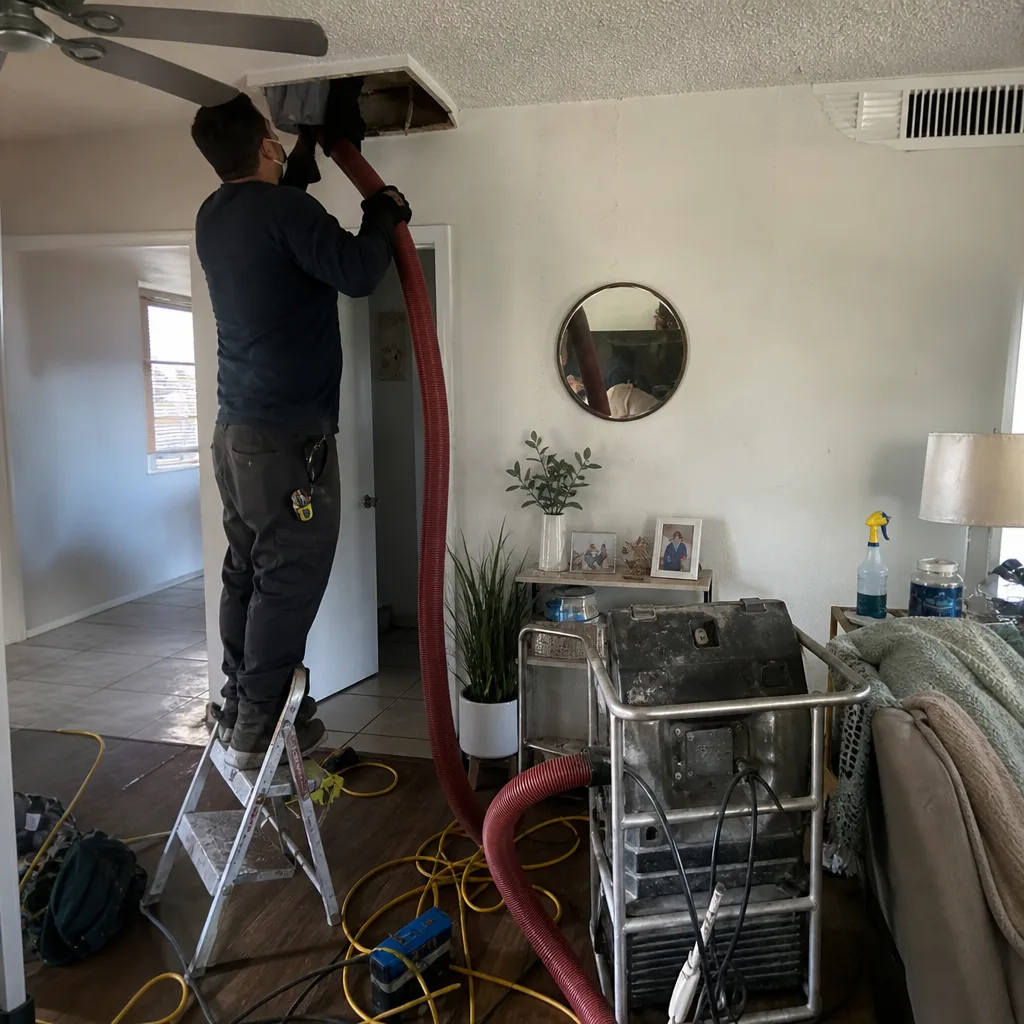
Whole-system duct and dryer vent check with before-and-after photos - you see exactly what came out of your vents
That "$99 whole-house special" is a bait ad - the real number appears once they are in your hallway, or the "clean" is a shop-vac at the register. We photograph the inside of your ducts before and after instead.
Seasonal Air Duct Cleaning Care for Glendale: Year-Round Homeowner’s Guide
Most air duct cleaning advice you’ll find online was written for the Midwest or the Southeast, where the big seasonal threats are snow load, freeze cycles and high summer humidity. Glendale doesn’t work that way. Here, your duct system faces 115°F attic temperatures in June and July, sudden monsoon humidity in August, a long dry stretch running through winter, and a spring pollen surge that fills the air with Bermuda grass and construction dust from Glendale’s active development corridors. Each of those phases stresses your ducts differently. Treat duct care as a once-a-year chore and you’ll always be one season behind. This guide walks you through all four phases, what each one does to your system, and when to schedule work for the best result.
Quick Answer
In Glendale, the best single window for a full professional duct cleaning is early fall, before heating season starts pushing accumulated dust back into living spaces. But that one cleaning isn’t enough on its own. Summer attic heat degrades flex duct insulation and loosens connections, monsoon humidity creates a short window for microbial growth inside supply trunks, winter cooking and renovation load your return ducts, and spring pollen and construction dust burn through filters fast. Year-round care means inspecting and adjusting at each turn, not just cleaning once.
Styles & brands we work with
- Whole-home duct cleaning
- Dryer vent cleaning
- Camera inspection
- Sanitizing & deodorizing
Table of Contents
- Why Glendale Ducts Face Different Stress Than Most Guides Describe
- Summer (June-September): Extreme Attic Heat and Connection Separation
- Monsoon Season: The Narrow Humidity Window
- Fall: The Best Window for a Full Professional Cleaning
- Winter: Renovation and Cooking Load Your Return Ducts
- Spring: Pollen, Construction Dust, and Filter Timing
- When Cleaning Isn’t Enough: Air Duct Repair vs. Air Duct Cleaning
- Building a Year-Round Glendale Duct Care Schedule
Why Glendale Ducts Face Different Stress Than Most Guides Describe
The typical generic duct guide assumes four seasons with a hard freeze and a wet summer. Glendale has four distinct phases too, but they’re different ones, and each one pushes on your duct system in its own way.
Here’s the short version of what’s happening in a Glendale home:
- Attic temperatures that hit triple digits. In midsummer, the attic space above a Glendale house can reach temperatures hot enough to make metal ductwork uncomfortable to touch and can put real stress on flex duct.
- Dry air most of the year. Desert air pulls moisture out of materials. Duct sealants, insulation facings and connections all dry out and can crack or loosen over time.
- A short, sharp monsoon season. For several weeks, outdoor humidity spikes after months of dryness. That swing is hard on a duct system that’s been running cold, dry air all summer.
- Year-round construction dust. Glendale is an active development city. Grading, paving and building projects send fine particulate into the air, and your HVAC system pulls some of it in.
- A long pollen season in spring. Bermuda grass and other desert vegetation release pollen that gets drawn into return ducts along with everything else.
None of these things happen at the same time. That’s the point. A single annual cleaning catches one season’s worth of contamination and leaves the other three. If you’ve ever had your ducts cleaned in April and still felt like the house was dusty by September, the calendar was probably working against you, not the cleaning quality.
We’ve seen this pattern repeatedly across Glendale neighborhoods, from the older homes near downtown to newer builds out toward the 303 corridor. The houses are different. The climate stress isn’t.
Summer (June-September): Extreme Attic Heat and Connection Separation
Summer in Glendale is the hardest season on the parts of your duct system you’ll never see. Attic temperatures can reach 115°F or higher, and that heat doesn’t stay politely outside the ductwork.
What happens to flex duct in that kind of heat:
- Insulation degrades faster. The outer vapor barrier and insulation layer on flex duct can become brittle and lose effectiveness under sustained high heat. Once that happens, the duct loses some of its ability to keep cooled air cold while it travels to your registers, and you pay for it on your energy bill.
- Connections work loose. Heat causes materials to expand, and the constant on-off cycling of your air conditioner adds vibration. Over a summer, taped and clamped connections can separate slightly. A small gap is enough to let hot attic air mix with your cooled supply air.
- Duct runs sag or get pinched. Flex duct that loses its support or gets compressed against framing in a hot attic restricts airflow, which makes the system work harder for less cooling.
Here’s the part most homeowners miss: cleaning can’t fix a separated connection. If a joint has come apart or a run has collapsed, you need air duct repair, not just cleaning. Those are two separate jobs, and a company that only offers cleaning will either leave the problem in place or try to clean around it.
A summer inspection is worth doing even if you’re not due for a cleaning. If your cooled rooms aren’t staying as cool as they used to, or if you notice dust blowing from a register you just wiped clean, that’s a sign a connection has opened up somewhere upstream.
Monsoon Season: The Narrow Humidity Window
Monsoon season brings a sharp change: weeks of bone-dry air followed by stretches of higher outdoor humidity. That swing creates a narrow but real window for microbial growth inside a duct system.
Here’s why it matters. After months of dry conditions, the surfaces inside your supply ducts are dry. When outdoor humidity climbs fast, warm, moist air can meet those cold surfaces, or can enter through gaps and loosely sealed connections in the return side, and condensation can form. Where there’s persistent moisture, dust that’s already sitting in the ducts can become a place for microbial growth to get started.
The window is short. Most monsoon moisture doesn’t last all summer. But “short” doesn’t mean “safe to ignore,” especially for households where someone has allergies or asthma.
What to watch for during monsoon season:
- A musty or damp smell when the system first kicks on
- Visible dark spots or staining near registers on the supply side
- A sudden uptick in allergy symptoms that lines up with the humidity spike
- Condensation on the outside of duct runs visible in an attic inspection
If any of those show up, don’t wait for fall. This is the one season where a mid-season call makes sense. We carry Abatement Technologies equipment for the deeper air quality work those situations call for, and that’s a different level of cleaning than a quick pass with a brush. It’s worth having a professional take a look rather than wiping the register and hoping.
Monsoon is also a good time to check that your return grilles are sealed to the wall or ceiling properly. A loose grille is one more place for humid outdoor air to get in behind the drywall.
Fall: The Best Window for a Full Professional Cleaning
If you’re going to pick one time of year for a full professional cleaning, make it fall. This is the strongest recommendation in this guide, and there’s a specific reason for it.
Through summer, your system has been pulling dust, pollen and construction particulate into the return side and circulating it through the house. By late September, a lot of that has settled inside the ductwork. Heating season then starts. When the furnace or heat pump comes on, airflow patterns change, and settled dust gets redistributed. If you clean in spring, you spend the summer accumulating dust and then bake it in place. If you clean in fall, you clear the summer’s accumulation right before the system starts moving air through the house again for the cooler months.
A proper fall cleaning involves more than a vacuum at the registers. With professional equipment like a Rotobrush or Nikro rotary brush-and-vacuum system, the technician works the full length of each run, agitates the dust that’s clung to the duct walls, and captures it with high-powered extraction. This is commercial-grade equipment, the kind you’d typically see on a commercial or industrial job. That matters because consumer-grade setups and a shop vac won’t agitate caked-on dust the way a rotary brush does.
Steps for a fall cleaning that actually holds up:
- Have the technician inspect and photograph the duct interior before starting, so you know what’s in there.
- Ask for before-and-after photos of the same sections, not just a general “it’s clean” claim.
- Have them check connections and insulation while they’re in the attic, since summer has already done its work.
- Confirm the filter is replaced after cleaning, not before.
Fall is also the right time to look at whether your filtration setup is doing enough. If you have a Honeywell or Aprilaire filtration system, a cleaning is a good moment to talk through filter type and change intervals so you’re not fighting the spring pollen season with a filter that’s already loaded.
Winter: Renovation and Cooking Load Your Return Ducts
Glendale winters are mild, which means the house stays open and active all season, not sealed up against the cold. That changes what loads your duct system.
Two things dominate winter duct load here:
- Renovation dust. Winter is a common window for indoor projects in Glendale, because it’s comfortable working weather. Remodeling, painting, drywall work and floor replacement all generate fine particulate. If not contained, that dust gets pulled into the return ducts and travels through the system.
- Cooking and everyday particulate. With the windows closed for a few cooler evenings, more cooking smoke, steam and fine grease particulate stays indoors and works its way into the return side.
The return duct is the intake side of your system. Whatever is suspended in the indoor air gets pulled toward the return grilles, and some of it sticks. Through a winter of projects and heavy cooking, the return ducts load up faster than any other time of year.
What helps:
- Contain renovation dust at the source (plastic sheeting over doorways, negative air if the project is large) and keep the HVAC fan off during heavy work when feasible.
- Change your filter more often during a project. A filter that would normally last a season might need replacement in a few weeks.
- Check the return grilles periodically. If they’re visibly dusty, the ducts behind them probably are too.
Winter isn’t usually the time for a full cleaning if you did one in fall. But if you’ve done a significant renovation, an inspection and a partial clean of the return side makes sense. It’s a shorter job than the full fall clean, and it stops that dust from recirculating for the next several months.
Spring: Pollen, Construction Dust, and Filter Timing
Spring in Glendale brings the pollen surge. Bermuda grass is the big one, but there’s more in the air. The other factor that doesn’t show up in most duct guides is Glendale’s ongoing development. Grading, paving and construction around the city produce a steady stream of fine dust in spring, which is exactly when homeowners are more likely to open the house up.
Here’s the seasonal calendar for spring:
- Late winter to early spring: pollen climbs. Return ducts start catching it.
- Mid-spring: pollen and construction dust combine. This is when filters load fastest.
- Late spring: the load starts to ease, but the dust already in the system is settled in for summer.
Filter timing is the practical lever you control in spring. If you’re on a standard filter, plan to change it more often during the pollen peak. If you have a higher-MERV filter or a media cabinet, check it earlier than the manufacturer’s interval, because Glendale’s pollen and construction dust can shorten that interval in practice.
A few spring habits that pay off:
- Keep windows closed on high-pollen days, especially when the AC is running.
- Check the filter roughly every 4 to 6 weeks during pollen season and change it when it looks loaded, not on a fixed schedule.
- Wipe down return grilles before replacing a filter, so you’re not pulling pollen back into a fresh filter.
If it’s been several years since a real cleaning, or if you moved into a home and don’t know its history, spring is a reasonable time to get an assessment. The result won’t last the year like a fall cleaning will, but it starts the cycle clean.
Homeowners in Glendale can start with a professional air duct cleaning assessment in spring if the history is unknown.
When Cleaning Isn’t Enough: Air Duct Repair vs. Air Duct Cleaning
Cleaning and repair solve different problems. Cleaning removes what’s inside the ducts. Repair fixes the ducts themselves.
You need repair, not just cleaning, when:
- A flex duct connection has separated or come loose (common after a Glendale summer)
- Duct runs have collapsed, sagged or gotten pinched against framing
- Insulation on the exterior of the duct has failed or fallen away
- Seams or joints are leaking enough that cooled air is escaping into the attic
- Pest intrusion has damaged the duct material
Those are structural problems. Cleaning the ducts won’t seal a separated joint or restore collapsed insulation. If a company only offers cleaning and you have a structural problem, the job won’t solve the underlying issue, and you’ll still be losing conditioned air to the attic.
Repair is also worth doing before a cleaning when the problem is significant, because a sealed, sound duct system holds the cleaning longer. Our approach is clean, repair, protect: assess the system, handle structural issues, then clean. It’s the only sequence that holds up when there’s real damage.
If you’ve noticed rooms that don’t heat or cool the way they used to, or high energy bills with no other obvious cause, get a repair assessment before you book a cleaning. You can read more about how we handle that on our Glendale Duct Cleaning home page.
Building a Year-Round Glendale Duct Care Schedule
A real year-round schedule has two layers: the deep work you do roughly once a year, and the lighter touch you do each season.
Once a year (best in early fall):
- Full professional cleaning of supply and return ducts with commercial-grade equipment.
- Inspection for connection separation, insulation failure and other repair needs.
- Before-and-after photos of the duct interiors.
- Filter replacement after cleaning.
Each season:
- Summer: Listen for airflow changes, watch for dust blowing from clean registers, and check attic duct runs for visible separation if you can safely reach them.
- Monsoon: Investigate any musty smells or visible moisture right away; move up a cleaning if symptoms appear.
- Fall: Book the full clean, replace the filter after, and review your filtration setup.
- Winter: Contain renovation dust, change filters more often during projects, and inspect return grilles.
- Spring: Stay on top of filters during the pollen peak, close windows on high-pollen days, and check return ducts if the last cleaning was long ago.
One more thing that belongs on the annual list: dryer vent cleaning. Dryer vents are a fire-prevention issue, not a convenience one, and they should be inspected and cleaned once a year (more often in a high-use household). If your dryer is taking longer to dry clothes, that’s a signal to have the vent checked. Our dryer vent cleaning service handles that as a dedicated job, not a tacked-on add-on.
For property managers running multi-unit buildings, or Glendale landlords keeping rentals up to standard, the same schedule works but the stakes are higher. A tenant complaint about dust or airflow is much easier to resolve before it becomes an acrimonious one.
Common Mistakes to Avoid
- Cleaning only once a year and calling it done. A single cleaning catches one season. Glendale’s four climate phases each add their own load, so plan the annual deep clean plus seasonal check-ins.
- Booking a cleaning when the real problem is a separated connection. If a duct joint has opened up, cleaning it won’t fix it. Get an assessment for repair first.
- Trusting a quote that’s dramatically lower than everyone else’s. A very low price usually means consumer-grade equipment or a surface pass. Ask what equipment will be used. A professional result with a Rotobrush or Nikro setup should be priced for the whole system, not a per-vent rate.
- Changing the filter on a fixed schedule and ignoring the actual condition. Glendale’s pollen peaks and construction dust can load a filter faster than the box says. Check the filter, not the calendar.
- Skipping the dryer vent. Dryer vents are a real fire-prevention concern and should be on the annual list alongside duct cleaning.
- Assuming “cleaned” means “sealed and sound.” Cleaning and repair are different jobs. Ask for an inspection of the physical condition of the ducts, not just a cleaning.
- Not asking for proof. If you can’t get before-and-after photos of your own ducts, you can’t know what was actually done.
See the difference
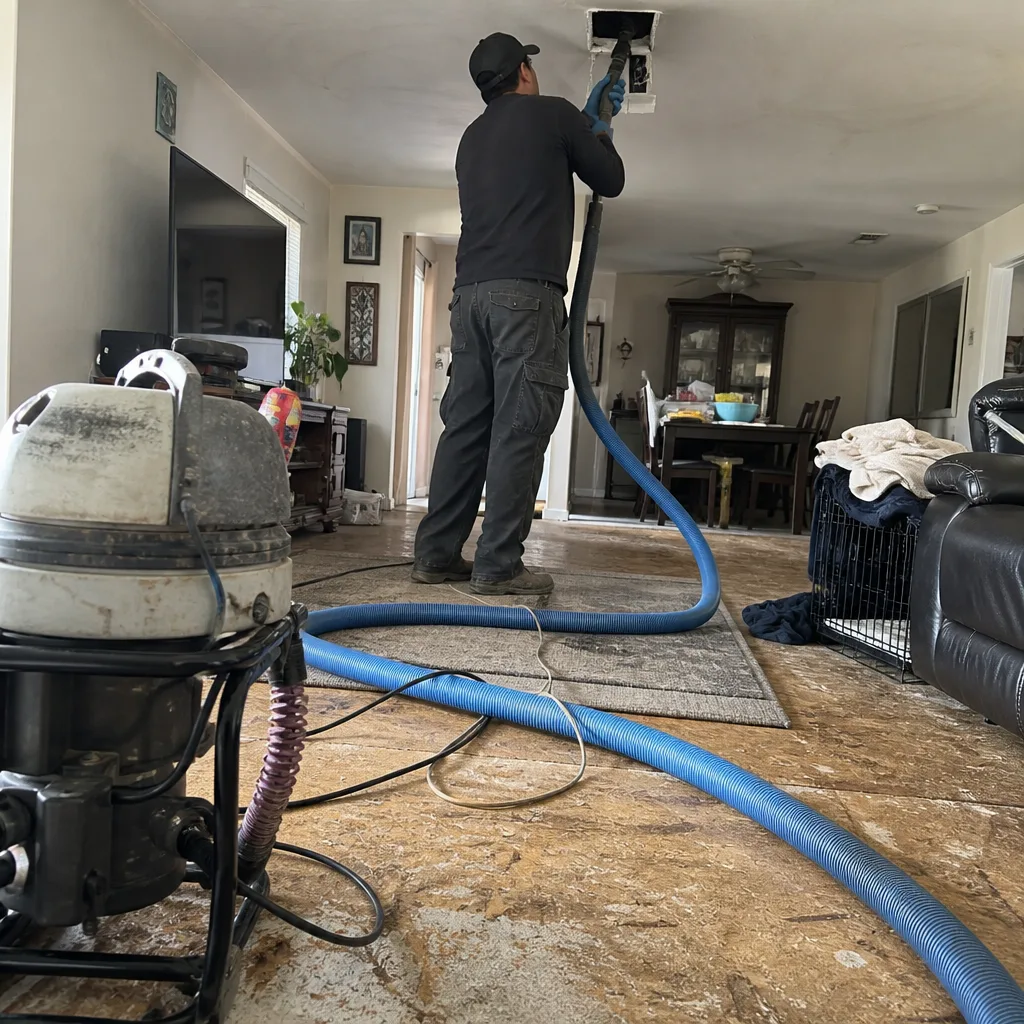 Before
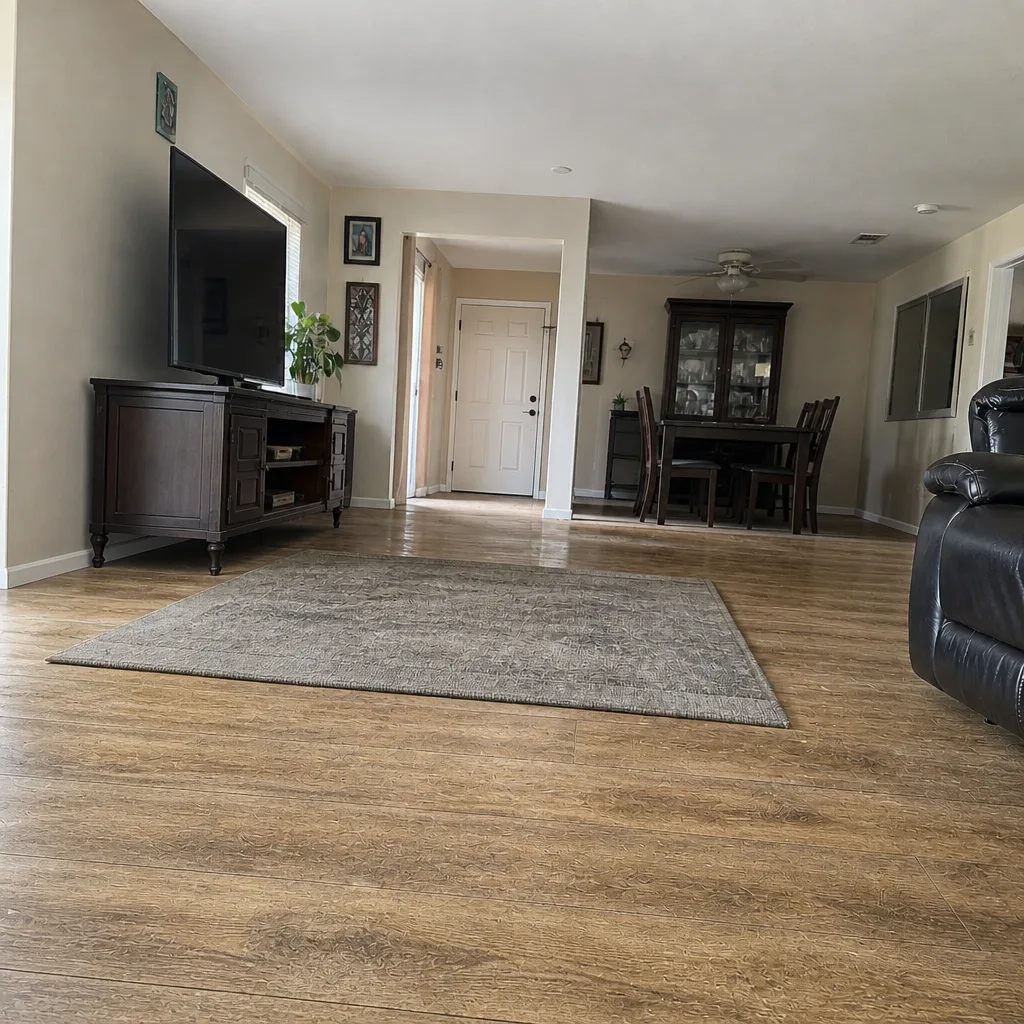 After
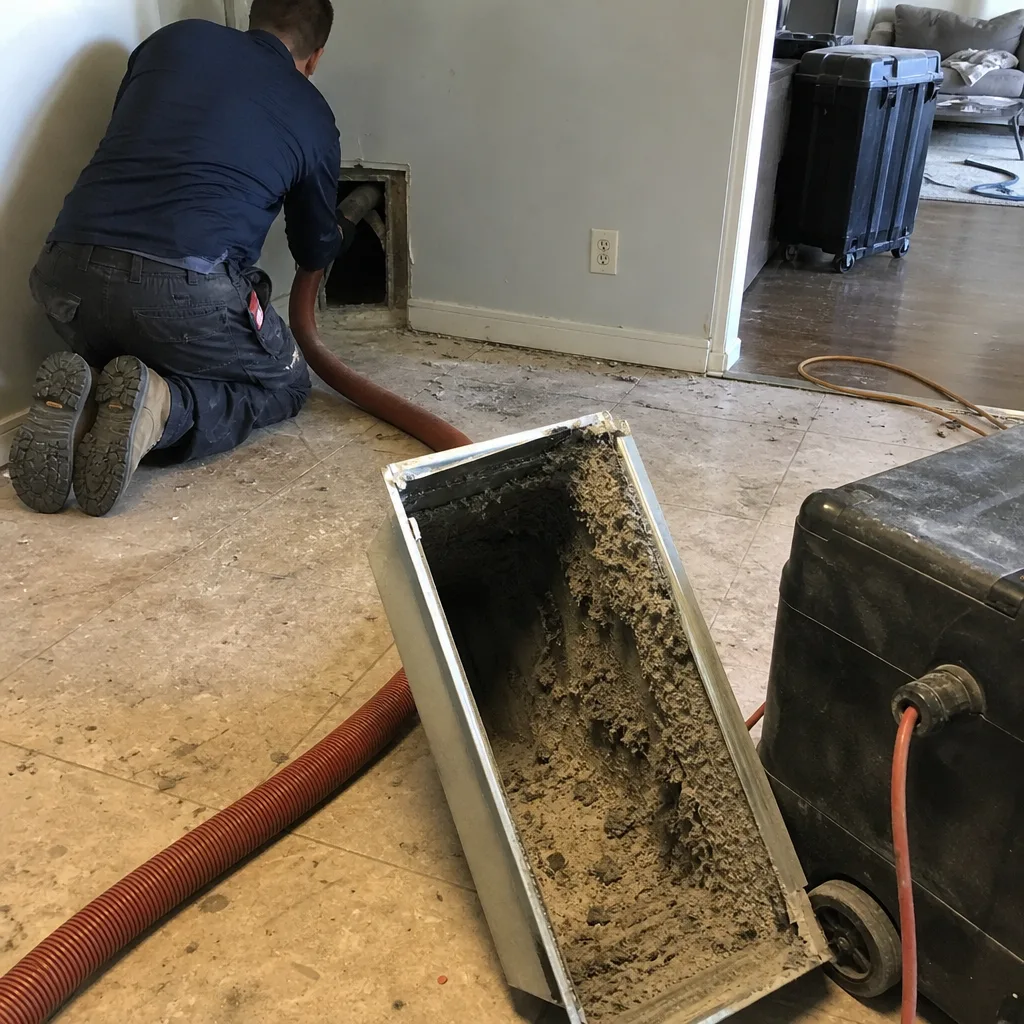 Before
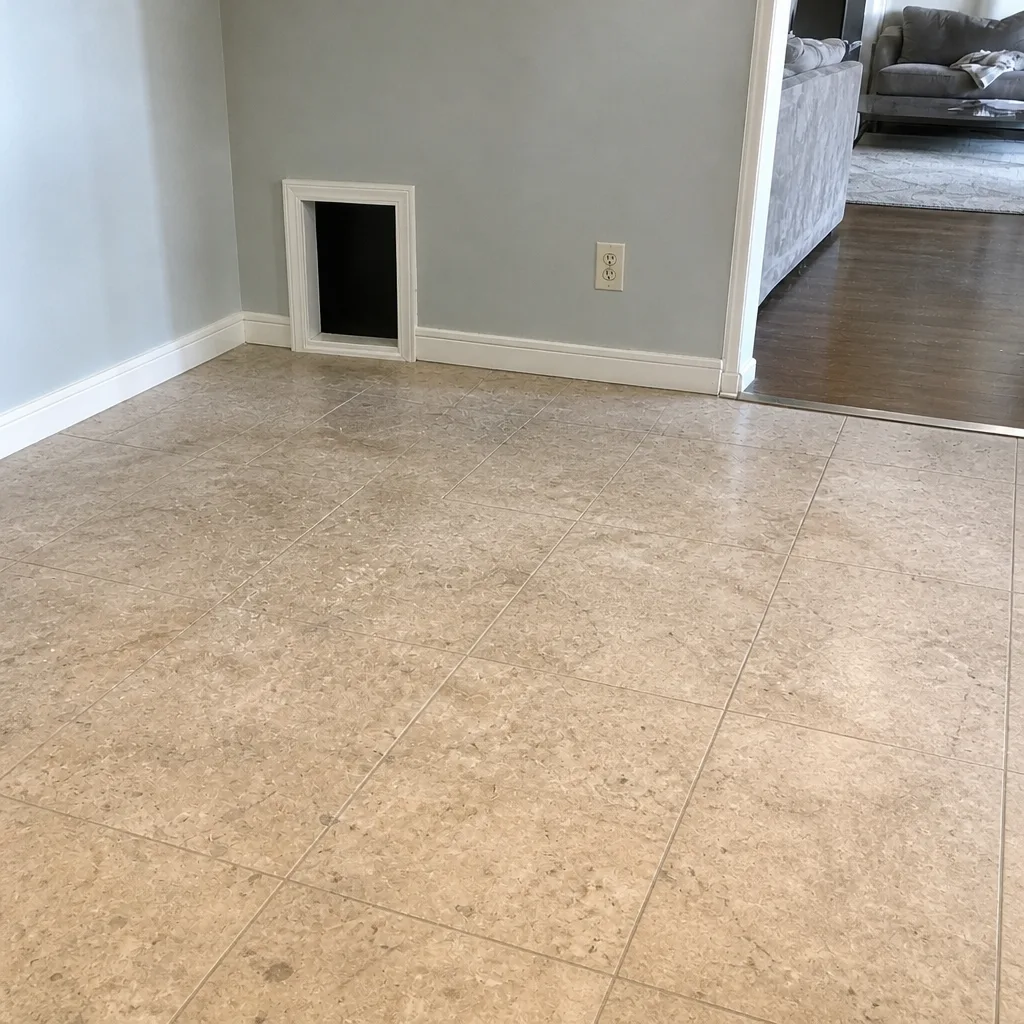 After
 Before
 After
When to Call a Professional
Call a professional if you’ve never had your ducts cleaned and you don’t know the home’s service history, especially if you just moved into a Glendale house. Call if you notice dust blowing from registers you just wiped down, unexplained increases in energy bills, musty smells when the system starts (especially during or after monsoon), visible condensation on duct runs, or a dryer that takes noticeably longer to dry clothes. Also call if a renovation has just wrapped up without dust containment, or if you’re a property manager dealing with a tenant complaint about air quality or airflow.
Glendale Duct Cleaning offers Glendale-area air duct cleaning, dryer vent cleaning and air duct repair. Call (855) 745-4301. We answer 24/7. Fast dispatch from 7am to 7pm.
Frequently Asked Questions
Once a year for a full professional cleaning, ideally in early fall, plus seasonal check-ins for each of Glendale’s four climate phases. Homes with pets, allergy sufferers, recent renovations, or a history of unknown service may benefit from more frequent assessments. The schedule matters more than the frequency alone, because each season adds its own load.
Call (855) 745-4301 for a free estimate and a schedule tailored to your home.
Early fall is the best single window, right before heating season starts redistributing settled dust into living spaces. Summer deposits the most particulate, and fall cleaning clears it before it gets recirculated. Cleaning in spring works too, but the clean won’t last as long as one done in fall.
Call (855) 745-4301 to book a fall cleaning and get an exact quote.
Months of dry air leave duct surfaces dry. When monsoon humidity climbs, warm, moist air can meet cold surfaces inside the system and condensation can form. Persistent moisture, combined with settled dust, creates a short window for microbial growth. If you notice musty smells, visible moisture or a spike in allergy symptoms during monsoon, don’t wait for fall.
Call (855) 745-4301 to have the system inspected during the humidity season.
No. Separated connections, collapsed runs and failed exterior insulation are structural problems, and cleaning doesn’t address them. Those need air duct repair. Cleaning removes what’s inside the ducts; repair fixes the ducts themselves. Getting the repair done first is what lets a cleaning actually hold.
Call (855) 745-4301 for a repair assessment and a written estimate.
Ask for before-and-after photos of your own duct interiors, not generic stock images. A professional cleaning with commercial-grade equipment should produce visible evidence of the change, and the technician should be able to show you the sections that were worked on. If a company can’t provide that, ask why.
Call (855) 745-4301 to schedule a cleaning with documented before-and-after photos.
Yes, plan them on the same annual list. Dryer vents are a fire-prevention concern and need to be cleaned once a year (more often in a high-use home). It’s a separate job from air duct cleaning, but the two belong in the same home maintenance routine.
Call (855) 745-4301 for a combined estimate on duct cleaning and dryer vent cleaning.
The Bottom Line
Glendale’s four climate phases each stress your duct system in a different way: summer heat degrades flex duct and loosens connections, monsoon humidity opens a short microbial window, fall is the right time for the deep clean, and winter renovation and spring pollen keep loading the system. The homeowner who cleans once a year and then forgets it will always be one season behind. The homeowner who plans the annual fall cleaning, adds seasonal check-ins, and gets structural problems repaired before cleaning gets the most out of the system, the equipment and the money spent. Call (855) 745-4301 for a free estimate. We answer 24/7. Fast dispatch from 7am to 7pm, Sunday through Friday.
Written by the team at Glendale Duct Cleaning.