
Last updated November 16, 2026
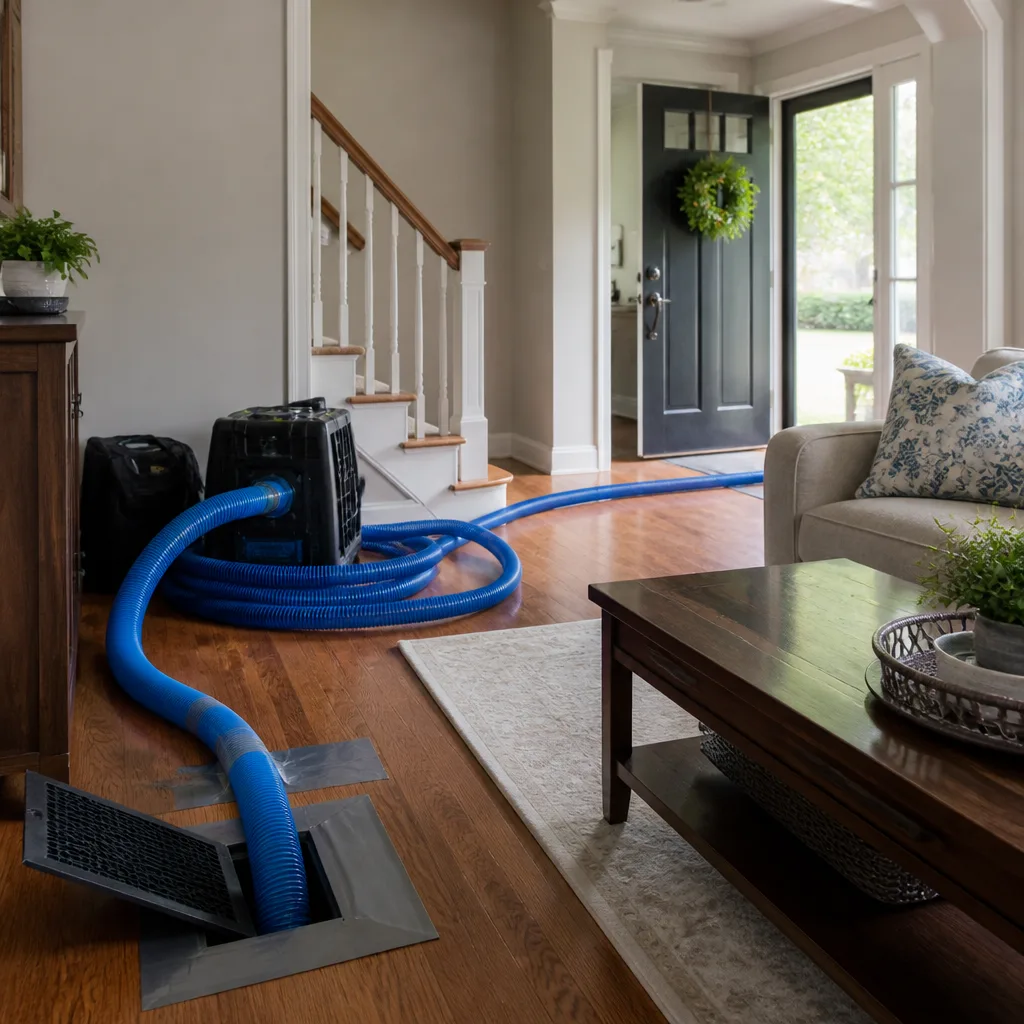 Whole-home duct cleaning
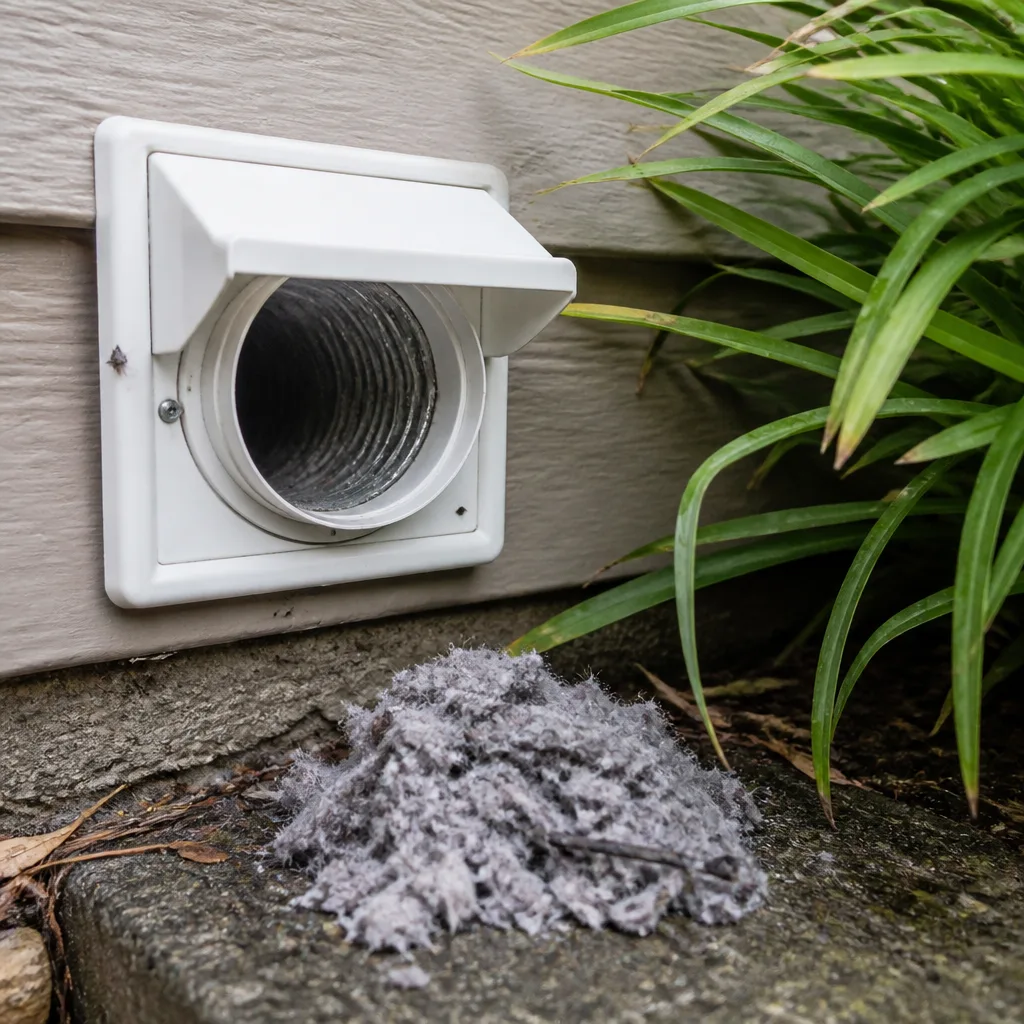 Dryer vent cleaning
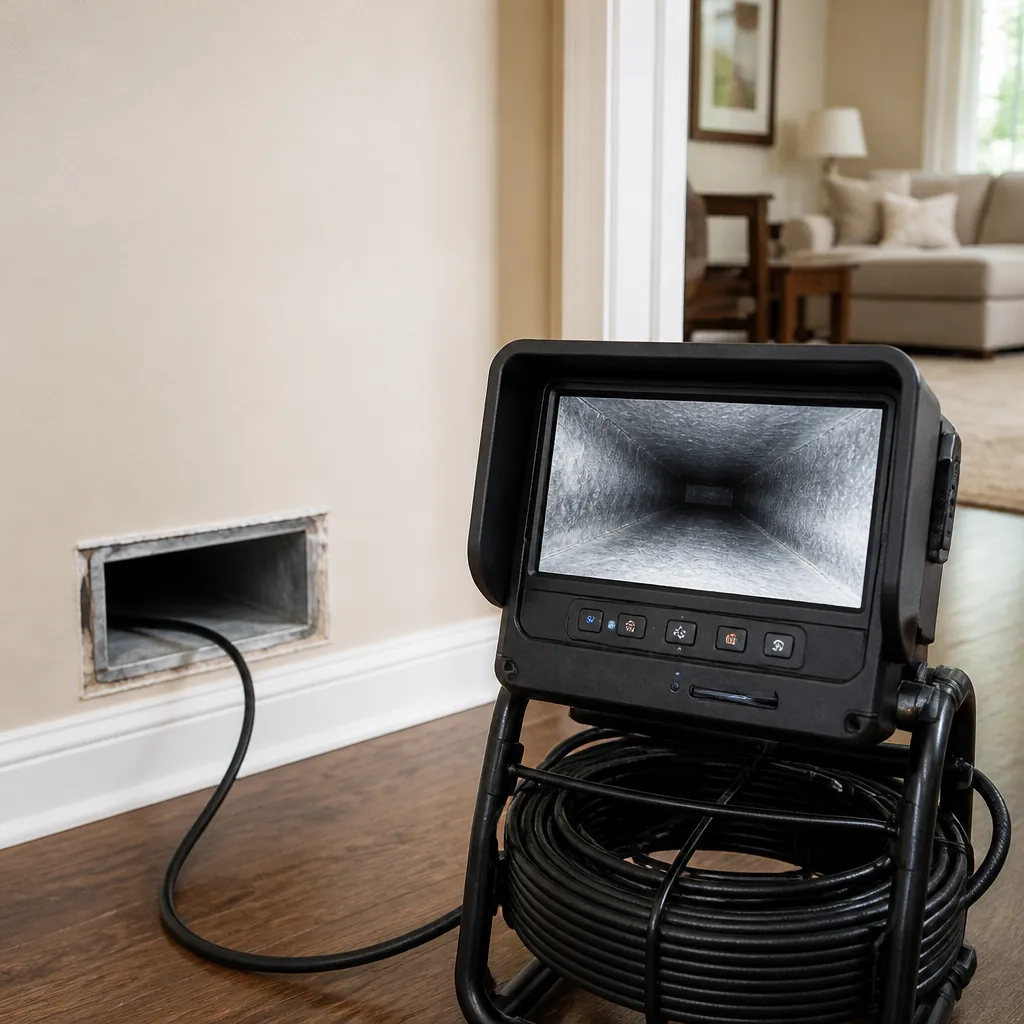 Camera inspection
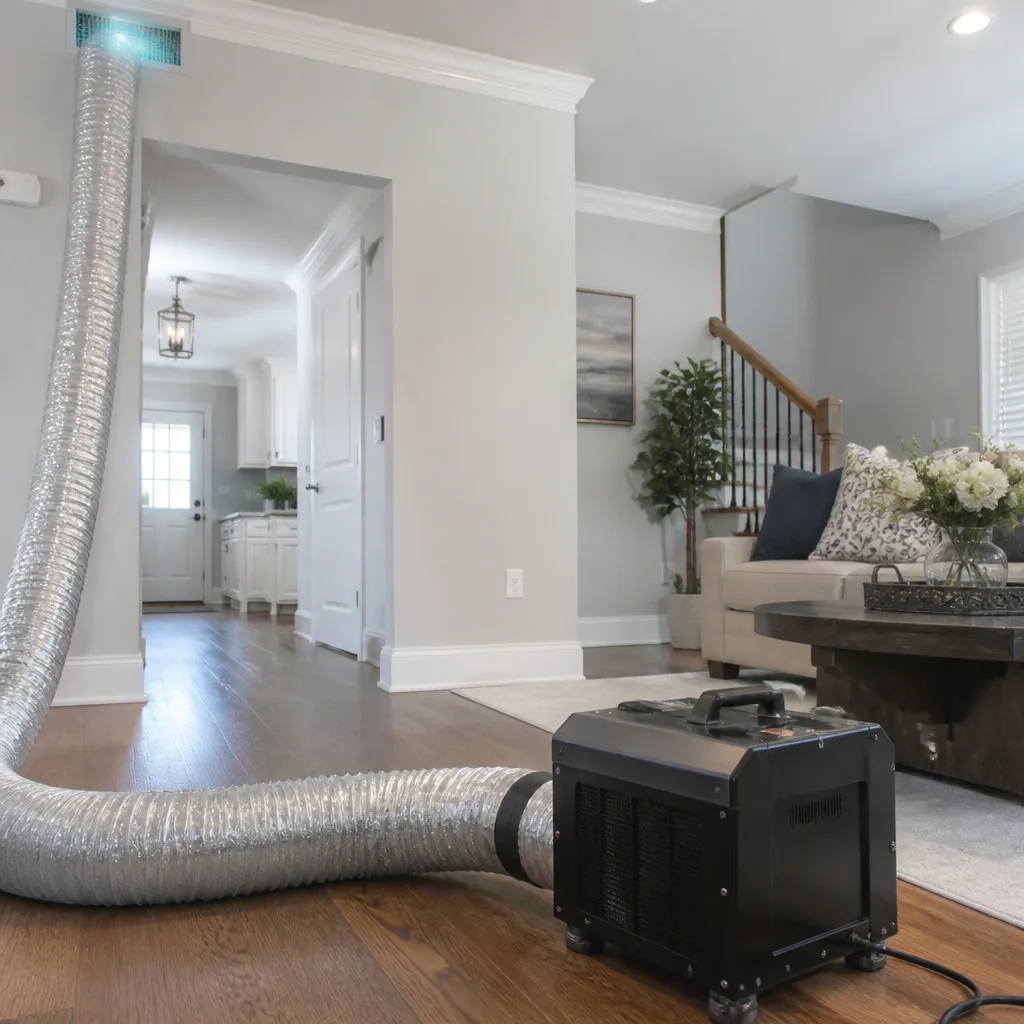 Sanitizing & deodorizing
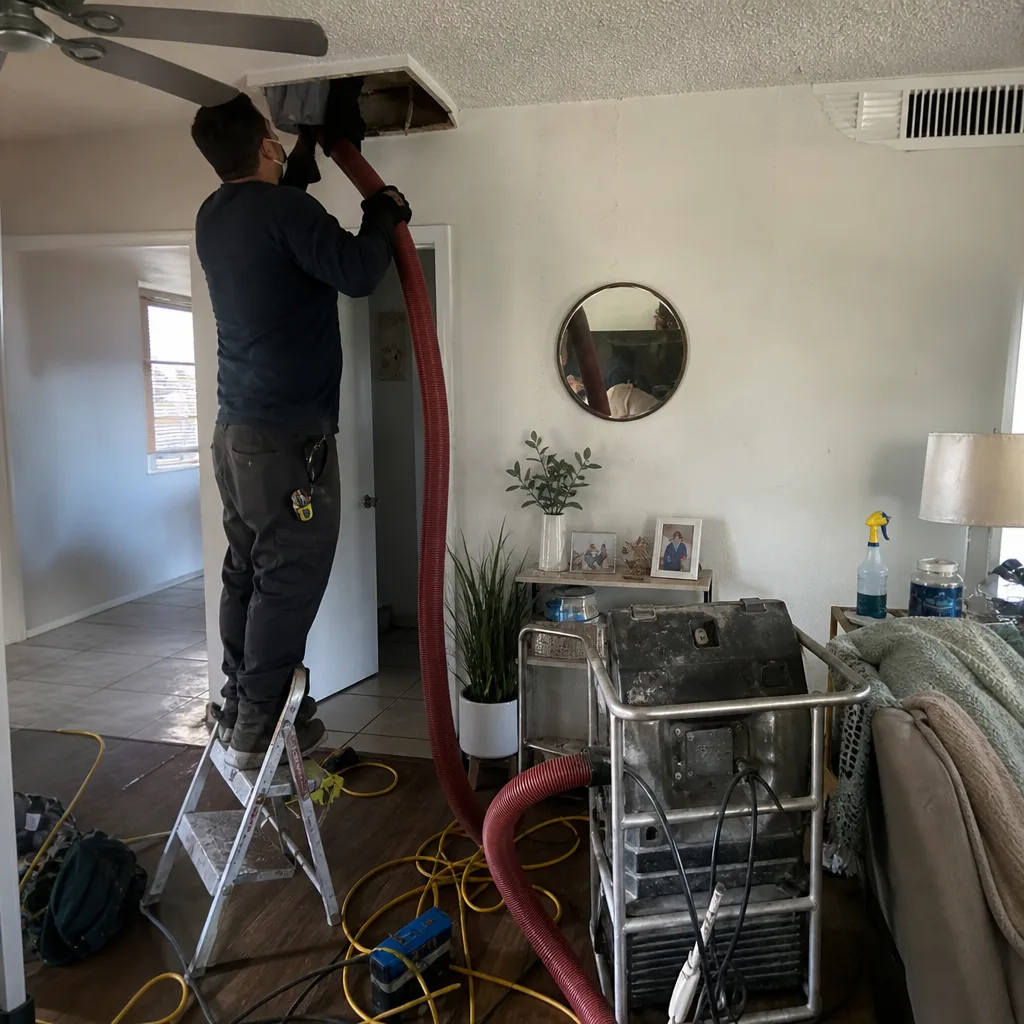
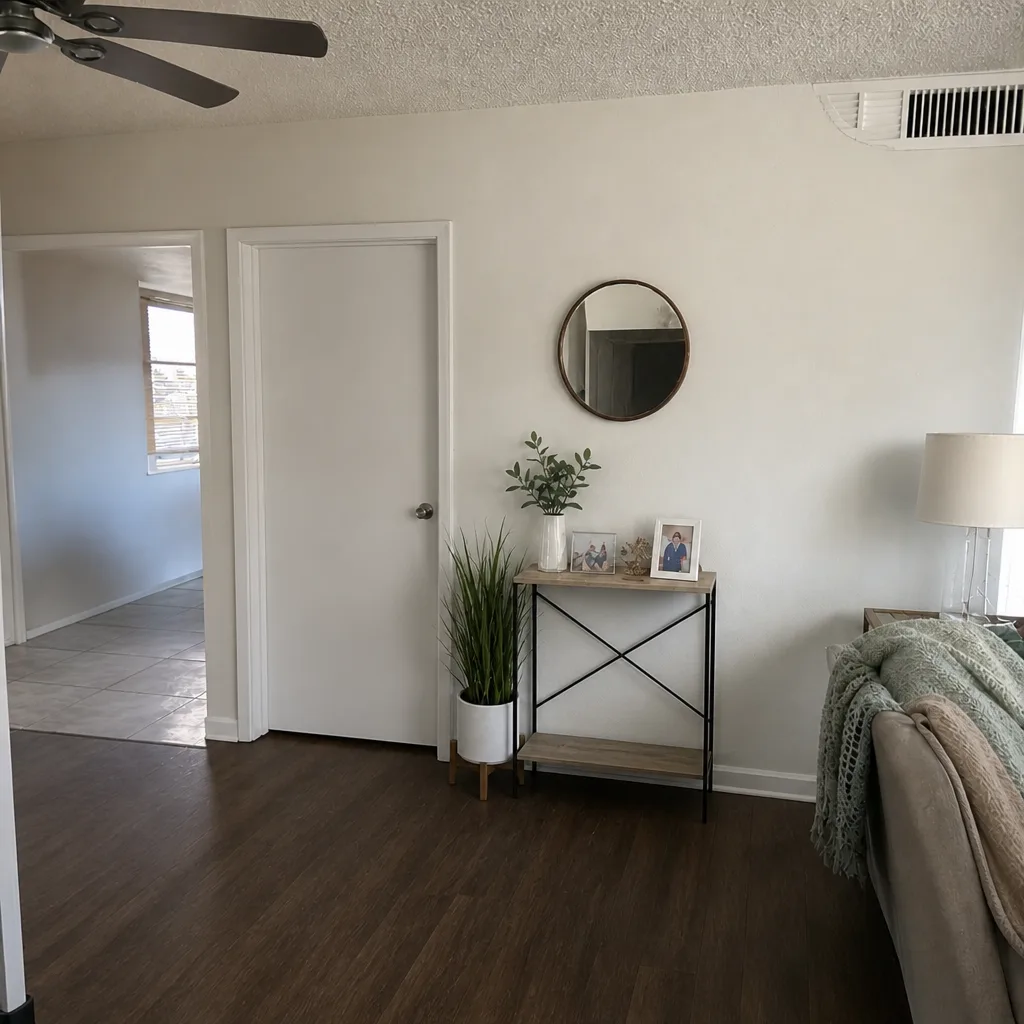
Whole-system duct and dryer vent check with before-and-after photos - you see exactly what came out of your vents
That "$99 whole-house special" is a bait ad - the real number appears once they are in your hallway, or the "clean" is a shop-vac at the register. We photograph the inside of your ducts before and after instead.
Air Duct Cleaning Emergency Preparedness Guide for Glendale Homes
Most homeowners treat duct cleaning as a seasonal chore, something to schedule when the dust gets bad or a move-in inspection requires it. That framing misses the real reason duct work matters in Glendale. This valley sits in the path of haboob season and recurring wildfire smoke, two kinds of airborne events that can push huge volumes of particulate into a home through the return side of an HVAC system in a matter of hours. A system with loose return plenum joints or a poorly seated filter doesn’t resist that wall of dust; it helps pull it in. What follows is a plan you can put in place before the next event, so cleanup takes days instead of weeks. You’ll get a pre-event protocol, post-event checks, a smoke-specific filter plan, a cleaning timeline, and a simple documentation routine for insurance.
Quick Answer
Air duct cleaning emergency preparedness in Glendale means having a plan ready before a haboob or wildfire smoke event, not scrambling after one. Shut down the HVAC system when a dust storm warning is confirmed, run it on recirculate (not fresh-air intake) during smoke events with an upgraded filter, then inspect return grilles and filter housings within 48 hours of the event. Systems that ingested storm particulate need professional cleaning, not just a filter change.
Styles & brands we work with
- Whole-home duct cleaning
- Dryer vent cleaning
- Camera inspection
- Sanitizing & deodorizing
Table of Contents
- Why Glendale Homes Face Real Duct Emergencies
- Pre-Event Protocol: What to Do Before a Confirmed Haboob
- Post-Event Triage: Did Your System Ingest Storm Particulate?
- Wildfire Smoke Response and Why Your MERV-8 Filter Falls Short
- Emergency Cleaning Timeline: 48-Hour Fix vs. Full Clean
- Documenting Duct Contamination for Insurance
- Dryer Vents and the Fire-Prevention Side of Preparedness
- Common Mistakes to Avoid
- When to Call a Professional
- Frequently Asked Questions
Why Glendale Homes Face Real Duct Emergencies
Glendale sits in the western Phoenix metro, which puts it squarely in the dust-storm corridor that funnels haboob fronts up from the south and southwest. Those fronts move fast and carry a wall of particulate that can turn a clear afternoon into a brown-out within minutes. When an HVAC system is running with a return-side leak, a sagging filter frame, or an intake that isn’t properly sealed, that particulate doesn’t just coat the outside of the house. It travels through the return duct, past the filter, and into the living space.
The wildfire smoke side is quieter but no less real. Smoke from fires in the surrounding desert and mountain country drifts into the valley on prevailing winds and lingers in the airshed for days. Smoke particles are smaller than dust, which means a nominal filter can pass them through into the ducts and the blower compartment where they settle on surfaces you never see.
Here’s what most homeowners don’t realize: ducts don’t just store contamination, they can distribute it. Every time the system cycles on after an event, it can stir settled particulate back into the air you’re breathing. That’s why the prep plan has to be in place before the event, not after. If you want the fundamentals of the service itself, our air duct cleaning page covers the standard process. This guide covers the emergency layer on top of it.
Two local realities shape the plan. First, Glendale homes built across several decades vary widely in duct design and sealing, so the response depends on what your system actually looks like. Second, the dry, hot climate means filters load with dust faster than in wetter regions, so the baseline maintenance interval is shorter here. If you’re new to the area, our Glendale overview is a good place to start.
Pre-Event Protocol: What to Do Before a Confirmed Haboob
The single most useful thing you can do is decide in advance when to shut the system down. That decision, made calmly before the event, prevents the worst of the ingestion. Here’s the protocol, in order:
- Watch for a confirmed dust storm or blowing dust warning. When the National Weather Service issues a blowing dust warning for the Phoenix metro or your part of Glendale, treat it as the trigger. Don’t wait to see the wall on the horizon.
- Shut the HVAC system off completely. Not down, not on fan-only. Off. A running system pulls air through the return and the leaks around the filter frame, and that’s the path the particulate uses to get inside.
- Close windows and exterior doors, and seal any obvious gaps. Sliding door tracks, weatherstripping gaps, and dog doors are common entry points.
- Leave the system off for the duration of the event plus one to two hours after the dust settles. Running it immediately after the wall passes can still pull suspended particulate into the return.
- After the event, switch to recirculate mode if your thermostat offers it. Recirculate keeps the system from drawing fresh outdoor air and cycling more particulate through the ducts.
- Check the filter before you turn the system back on. If it’s visibly loaded, change it before the first cycle.
The recirculate question comes up a lot. During a smoke event with no dust front, running the system on recirculate with a properly seated filter is generally the right call, because it lets the filter do its job on indoor air without pulling more smoke in from outside. During an active dust wall, the risk of ingestion through a leaky return outweighs the benefit, so off is the safer setting.
We’ve seen the difference this preparation makes. Homes that shut down ahead of a confirmed warning end up with a filter change and a light cleaning. Homes that ran through the event often need full duct and blower compartment cleaning. The prep plan is cheap. The recovery isn’t.
Post-Event Triage: Did Your System Ingest Storm Particulate?
Within 24 to 48 hours after a dust event, you can do a visual inspection yourself and get a good read on whether the system ingested particulate. You don’t need tools, just a flashlight and a few minutes. Here’s what to check:
- Return grilles: Look at the face of the grille and the space just behind it. A light film of dust is normal. A visible layer, grit, or sand settled in the grille frame is a sign the system pulled particulate past it.
- Filter housing and frame: Pull the filter and look at the frame edges and the housing walls. Streaks or deposits on the sides of the housing, especially bypass around the filter edges, mean air and dust moved around the filter rather than through it.
- Filter condition: A filter that went in clean and comes out caked after a single event, or one that shows dust on the downstream face, is a red flag. Dust on the clean side means the filter didn’t hold what it was supposed to.
- Supply registers: Look for dust streaks on the register vanes or fine deposits on nearby surfaces that appeared after the event.
- Blower compartment (if accessible): If your air handler has an accessible panel, look for visible deposits on the blower wheel. Caked dust on the wheel is a strong signal and also a performance problem.
- Smell: A musty or dusty smell when the system first kicks on after an event is worth noting.
If you see grit in the return, streaks around the filter frame, or deposits on the blower wheel, the system ingested particulate and needs professional attention. If you see only a light film, a filter change and a normal cleaning schedule may be enough. The honest answer depends on what the inspection shows, and that’s why the inspection matters more than the guess.
One note on safety: if the air handler is in a tight closet or the panel requires tools you’re not comfortable with, leave the blower compartment check to a technician. The blower wheel spins and there are electrical components in that compartment. It’s not worth the risk.
Wildfire Smoke Response and Why Your MERV-8 Filter Falls Short
A standard MERV-8 filter is a good everyday filter for keeping dust and larger particulate out of the system, and it’s what most Glendale homes run. During a wildfire smoke event, it’s undersized for the job. Smoke particles are fine enough that a substantial fraction passes a MERV-8, which means the filter catches some but not all of what’s in the air, and the rest lands in the ducts and the blower compartment.
What a Temporary Upgrade Actually Helps
Moving to a higher MERV rating for the duration of a smoke event catches more of the fine particulate. MERV-13 is the common step-up, and it’s a reasonable temporary choice for most residential systems. The catch is pressure drop: a higher-MERV filter is denser, and some systems can’t handle the extra resistance without losing airflow. That’s where the equipment knowledge matters. We assess Honeywell and Aprilaire filtration setups regularly, and the right answer depends on the system, the filter housing, and the blower capacity. What works in one Glendale home won’t necessarily work in the next.
What to do during a smoke event:
- Close up the house and run the system on recirculate. This lets the filter clean indoor air without pulling more smoke in.
- Upgrade to a higher-MERV filter only if your system can take it. If you’re not sure, ask before you swap. A filter that chokes airflow can freeze a coil or trip a limit.
- Change the filter as soon as the event ends. A loaded high-MERV filter becomes a restriction once the smoke clears.
- Don’t run a bypass humidifier or fresh-air intake during the event. Both bring outdoor air in.
- Inspect after the event using the same return grille and filter housing checks as a dust event.
For smoke events that last several days, the ducts accumulate fine particulate that a filter change won’t remove. That’s the case for a scheduled clean once the air clears. Abatement Technologies equipment is what we use for remediation-level cleaning needs, and it’s the right tool for smoke residue because it’s built to capture fine particulate, not just move it around.
Emergency Cleaning Timeline: 48-Hour Fix vs. Full Clean
Not everything has to happen at once, and knowing what’s urgent keeps you from overspending in a panic or under-reacting when it matters. Here’s how the timeline usually breaks down.
Within 48 Hours of the Event
- Filter change. This is the first and most important step. Do it before you run the system again.
- Return grille wipe-down. Remove visible dust from the grille face and frame so the system doesn’t redistribute it.
- Visual inspection of the filter housing, blower compartment, and supply registers.
- Documentation photos if the event was a named storm or a declared air quality emergency, before anything is cleaned.
- A call to schedule professional cleaning if the inspection shows ingestion. Getting on the schedule early matters, because post-event demand spikes and the calendar fills.
Within One to Two Weeks
- Full duct cleaning if the inspection showed deposits beyond the filter housing. Rotary-brush-and-vacuum equipment (Rotobrush and Nikro systems) is what’s needed to reach the duct surfaces, not a shop vac.
- Blower compartment cleaning if the wheel shows caked deposits.
- Air duct repair if the event exposed or worsened a leak at a joint, a disconnected run, or a crushed flex section. Cleaning alone won’t fix a structural leak that lets the next event in.
- Filtration assessment if the home ran a temporary high-MERV filter that isn’t right for year-round use.
Ongoing
- A maintenance interval based on your home’s dust load and filter condition, not a fixed calendar.
- A repeatable prep plan so the next event is a routine, not a scramble.
If your Glendale home is in a newer subdivision with tight construction, the return-side leaks may be smaller and the recovery faster. Older homes with retrofitted duct systems often need more. That’s why the inspection drives the timeline.
Documenting Duct Contamination for Insurance
If a named storm or a declared air quality emergency pushed particulate into your home, documenting the damage before you clean it gives you the best shot at a claim. Homeowner’s insurance coverage for duct contamination varies, so check your policy and talk to your adjuster before you file. What you can do is keep the record in order.
- Photograph before you touch anything. Return grilles, filter housing, filter itself (both sides), supply registers, and the blower compartment if accessible. Include a wide shot of each location and a close-up.
- Keep the filter. Put the loaded filter in a bag and label it with the date and the event name. It’s physical evidence.
- Log the event. Note the date, the event name or warning type, and the time you shut the system down. A screenshot of the weather warning is useful.
- Get a written assessment from a professional. A technician’s written findings on what was ingested and what cleaning is needed carries more weight than a homeowner’s description.
- Keep receipts for filters, cleaning, and any repair work. Photograph before-and-after if the technician provides it.
We provide before-and-after photos of your own ducts as part of the job, which doubles as a clean documentation record. If your insurer asks for proof the work was done, you’ll have it. One caution: don’t clean the ducts yourself before documenting. Once the evidence is gone, it’s gone.
Dryer Vents and the Fire-Prevention Side of Preparedness
Emergency preparedness for Glendale homes isn’t only about the air coming in. The dryer vent is the other appliance in the house that deals with particulate, and it deals with it under heat. Lint accumulates in the vent run, restricts airflow, and creates the conditions for a fire. The National Fire Protection Association has long flagged dryer vent lint as a leading contributor to dryer fires, and the fix is straightforward: a professional clean of the full vent run, not just the lint trap.
The preparedness angle is timing. A dryer vent that’s been cleaned on a regular schedule is less likely to be a problem when you’re already dealing with a post-event cleanup. If your dryer takes longer than it used to, the vent is a likely reason. Our dryer vent cleaning service handles the full run, including the transition duct and the exterior termination, which is where lint tends to collect out of sight. If you’re putting together a household emergency plan, put the dryer vent on the same checklist as the duct inspection.
See the difference
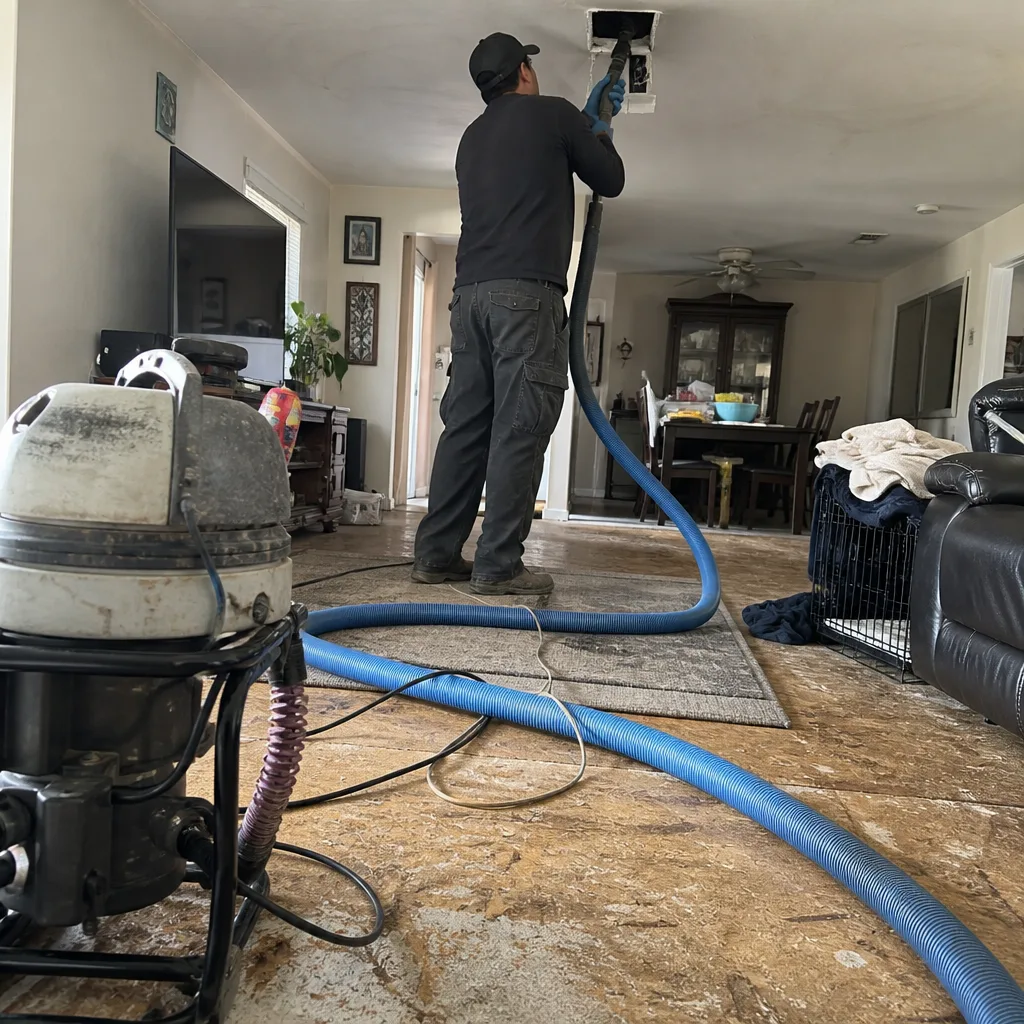 Before
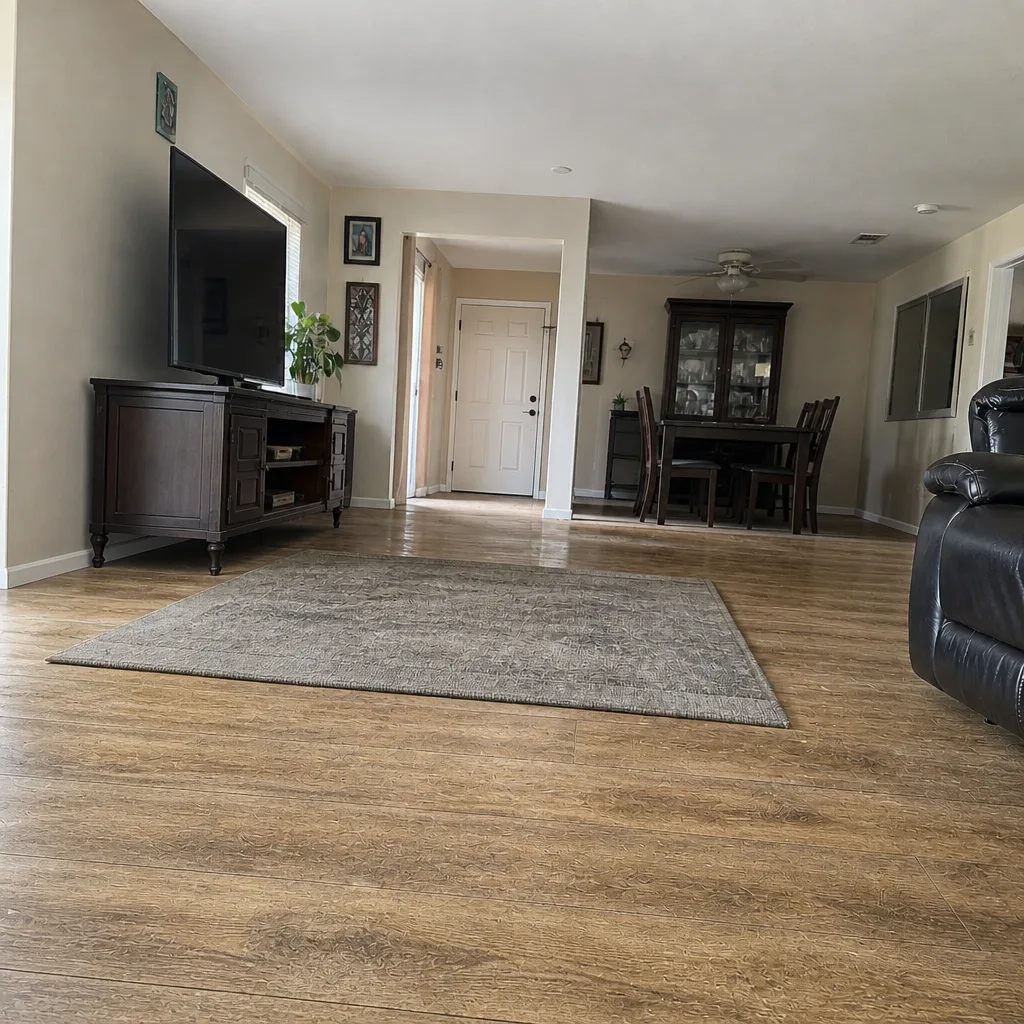 After
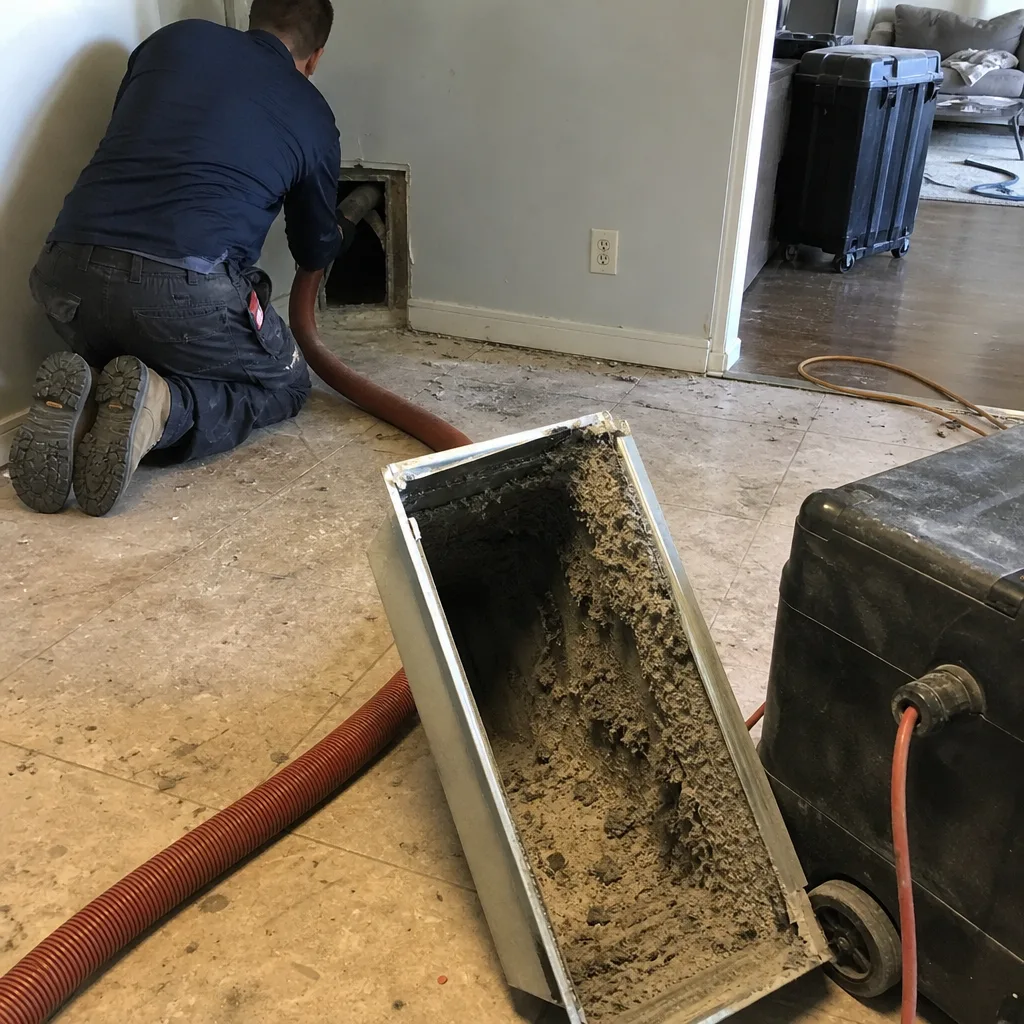 Before
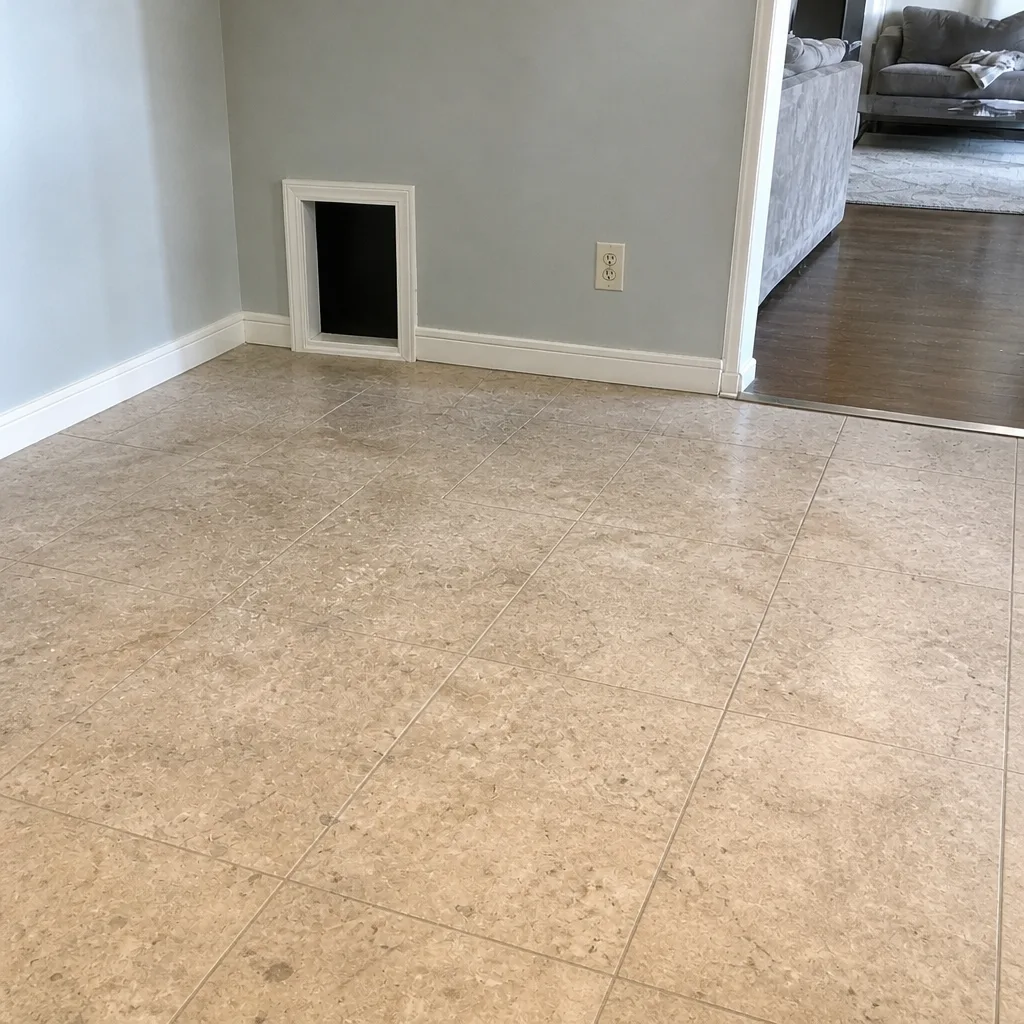 After
 Before
 After
Common Mistakes to Avoid
- Running the HVAC through the dust wall. The most common mistake, and the one that causes the most contamination. Shut the system off when a dust storm warning is confirmed, not after the wall arrives.
- Changing the filter but not inspecting the housing. A new filter doesn’t clean out what already got past the old one. Look at the filter frame and the return grille before you assume the filter change solved it.
- Upgrading to a high-MERV filter without checking system compatibility. MERV-13 catches more smoke, but a system that can’t handle the pressure drop loses airflow and efficiency. Ask before you swap.
- Cleaning the ducts before documenting a named-event claim. Once the contamination is gone, the record is gone. Photograph first, clean second.
- Running recirculate during an active dust wall. Recirculate is the right setting for smoke, not for a dust front. During a dust wall, the system should be off.
- Booking a full clean when the inspection only calls for a filter change. The flip side of under-reacting. Let the inspection drive the decision.
- Skipping the dryer vent. Dust events don’t cause dryer fires, but a lint-loaded vent is a standing risk that compounds when you’re distracted by the cleanup. Keep it on the list.
When to Call a Professional
Some of this work is homeowner-level: the filter change, the grille wipe-down, the visual inspection, the documentation photos. The rest needs the right equipment. Call a professional if you see grit in the return, streaks around the filter frame, deposits on the blower wheel, or dust on the downstream face of the filter after a dust event. Call if a wildfire smoke event lasted several days and the house still smells of smoke when the system runs. Call if the inspection turns up a leak at a duct joint or a disconnected run, because that’s repair work, not cleaning. And call if you’re a property manager or landlord documenting a unit after a named event and need a written assessment for the record.
Glendale Duct Cleaning offers free estimates in Glendale. Call (855) 745-4301. We answer 24/7. Fast dispatch from 7am to 7pm, Sunday through Friday. The estimate is free, and the price is set per job by the written estimate, so you know the number before work starts. Our technicians have up to 15 years of experience, and we use Rotobrush and Nikro cleaning systems, the same equipment used in commercial and industrial settings.
Frequently Asked Questions
Duct cleaning in Glendale is priced per job by a written estimate, not per vent, because the scope depends on the size and configuration of your system and what the inspection finds. The estimate is free, and the price is agreed before work starts, so there’s no surprise invoice once the technician is on site. Call (855) 745-4301 for an exact quote. Estimates are free.
No. Shut the HVAC system off completely when a confirmed dust storm or blowing dust warning is issued for Glendale, and leave it off until the dust settles and the filter is checked. Running the system during the wall of dust pulls particulate into the return and past the filter. Recirculate is the right setting for a wildfire smoke event, not a dust front.
Inspect within 48 hours and schedule cleaning if the inspection shows ingestion. The parts you can do immediately are the filter change, the return grille wipe-down, and the documentation photos. A full professional clean should follow within one to two weeks if the inspection shows deposits in the housing, the blower compartment, or the duct runs. Call (855) 745-4301 to get on the schedule. Estimates are free.
Coverage varies by policy, so check with your adjuster before you file. What helps your claim is documentation: photos of the contamination before cleaning, the kept filter, a log of the event and the date, and a written professional assessment of what was ingested. We provide before-and-after photos of your own ducts as part of the job, which serves as a record that the work was completed.
A higher-MERV filter, commonly MERV-13, catches more fine smoke particulate than a standard MERV-8, but only if your system can handle the added pressure drop. Some residential systems lose too much airflow with a dense filter. We assess Honeywell and Aprilaire filtration setups and can tell you what your system can take before you swap. Use the higher-MERV filter for the duration of the event, then change it when the smoke clears.
Check the return grille face and frame, the filter housing walls, the filter’s downstream face, the supply register vanes, and the blower wheel if accessible. Grit in the return, streaks around the filter frame, dust on the clean side of the filter, or caked deposits on the blower wheel all point to ingestion. A light film alone usually means a filter change is enough. Call (855) 745-4301 if you want a professional inspection. Estimates are free.
The Bottom Line
Air duct emergency preparedness in Glendale comes down to a plan you set before the event. Watch for confirmed warnings, shut the system off during a dust wall, run recirculate with a compatible high-MERV filter during smoke, and inspect the return side within 48 hours. Document before you clean if a named event is involved. Let the inspection decide between a filter change and a full clean, and keep the dryer vent on the same checklist. Cleaning, repair, and protection are three different jobs, and knowing which one your home needs after an event is the whole point. For a free estimate in Glendale, call (855) 745-4301. We answer 24/7. Fast dispatch from 7am to 7pm, Sunday through Friday. Licensed and insured, with commercial-grade equipment and one flat price per system agreed before work starts.
Written by the team at Glendale Duct Cleaning. Explore Glendale Duct Cleaning for the full scope of what we do.