
Last updated November 16, 2026
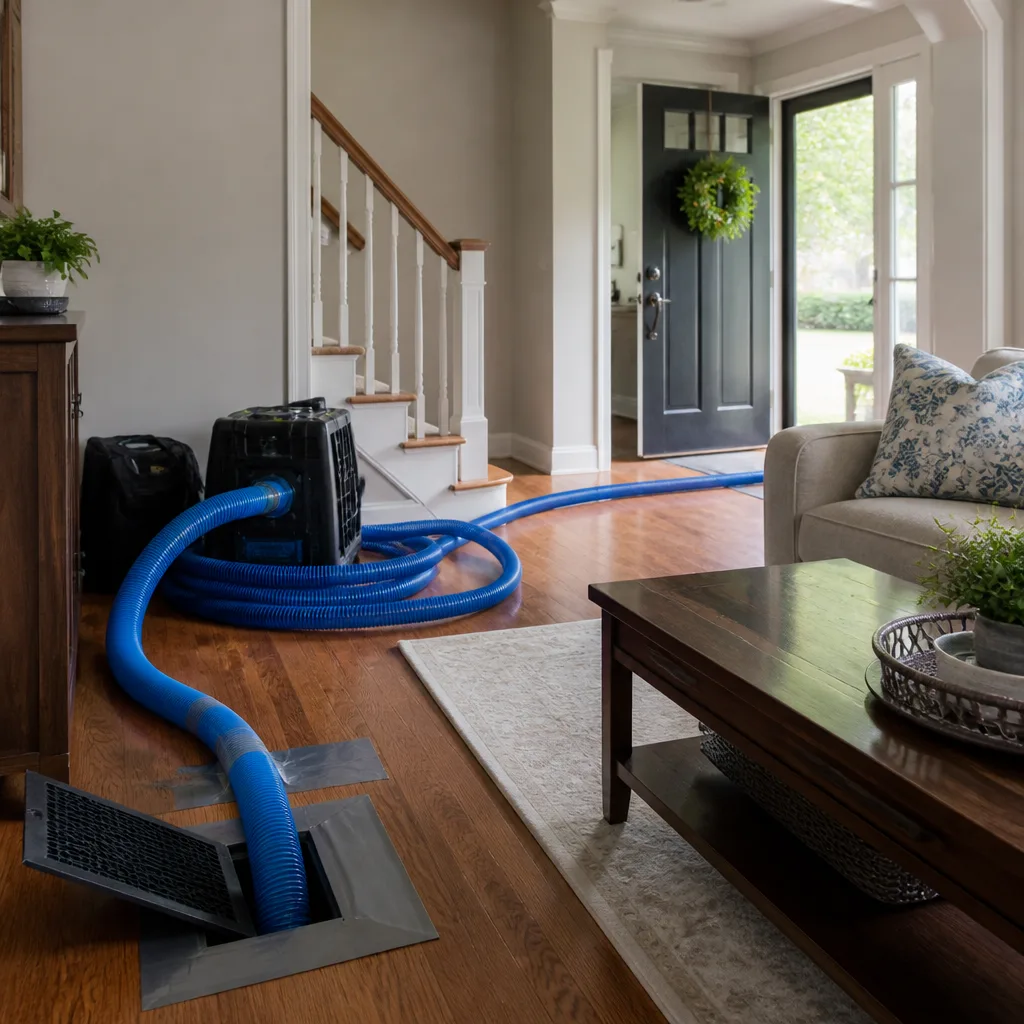 Whole-home duct cleaning
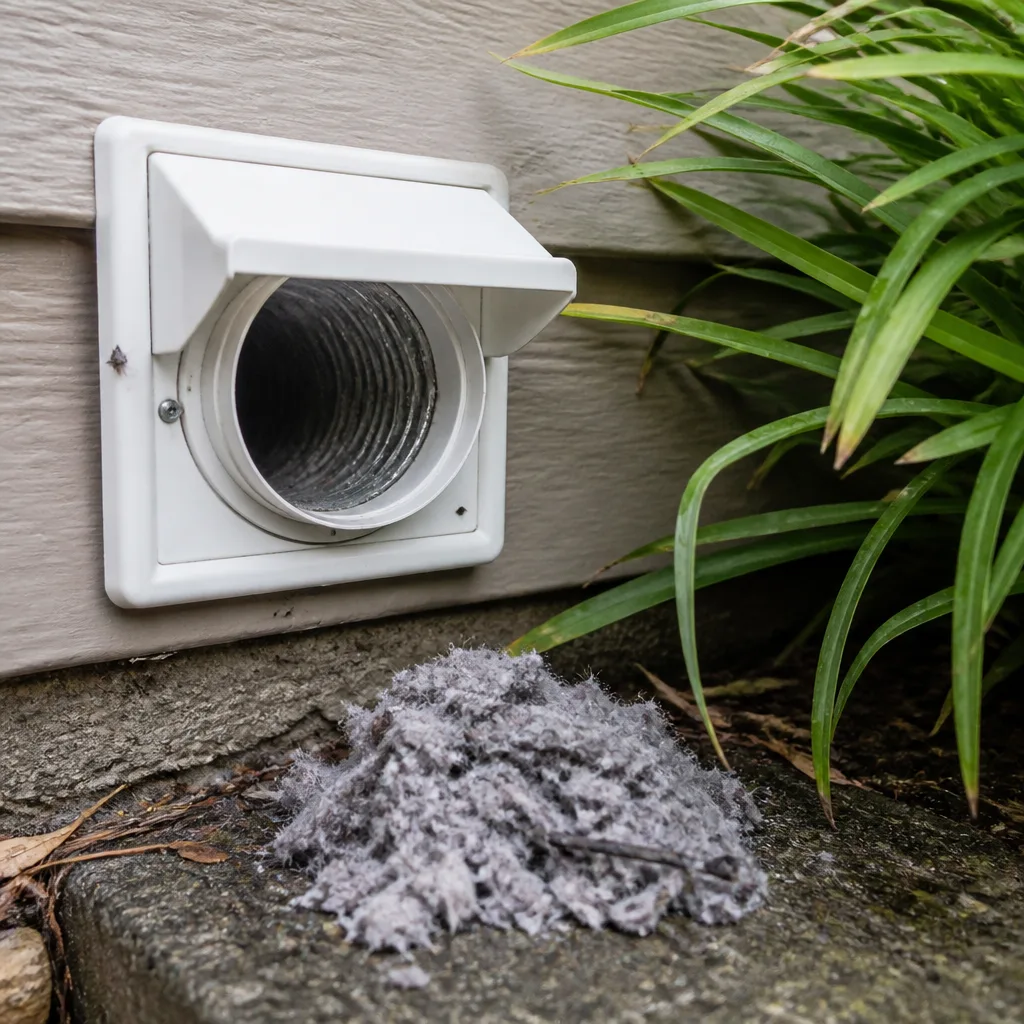 Dryer vent cleaning
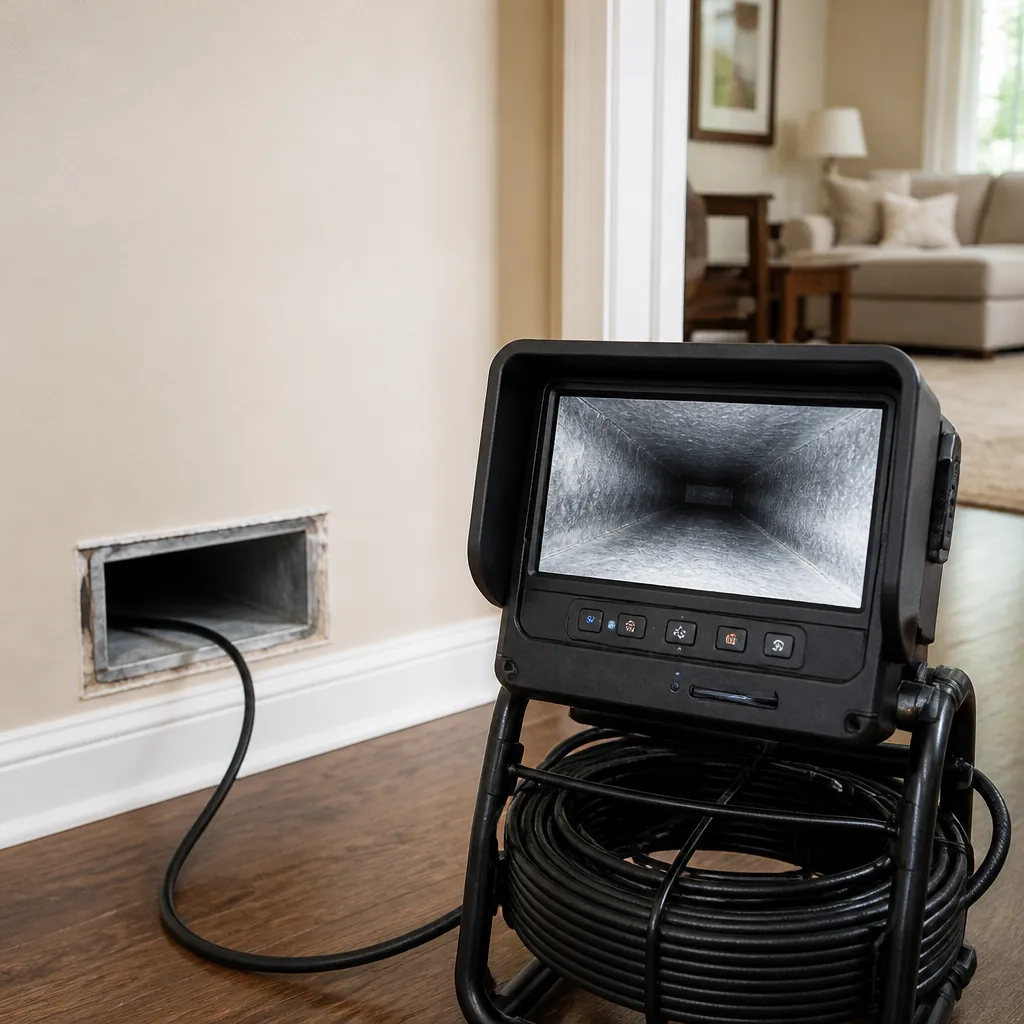 Camera inspection
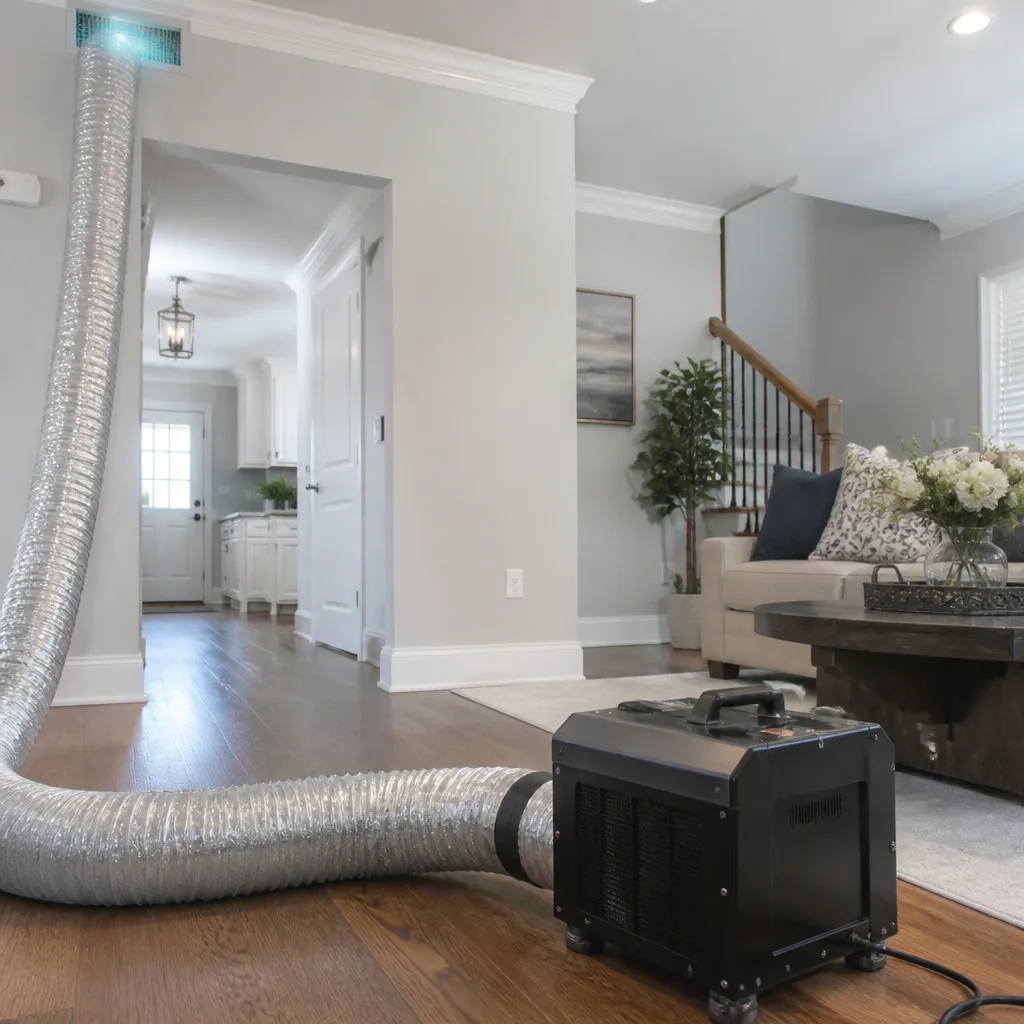 Sanitizing & deodorizing
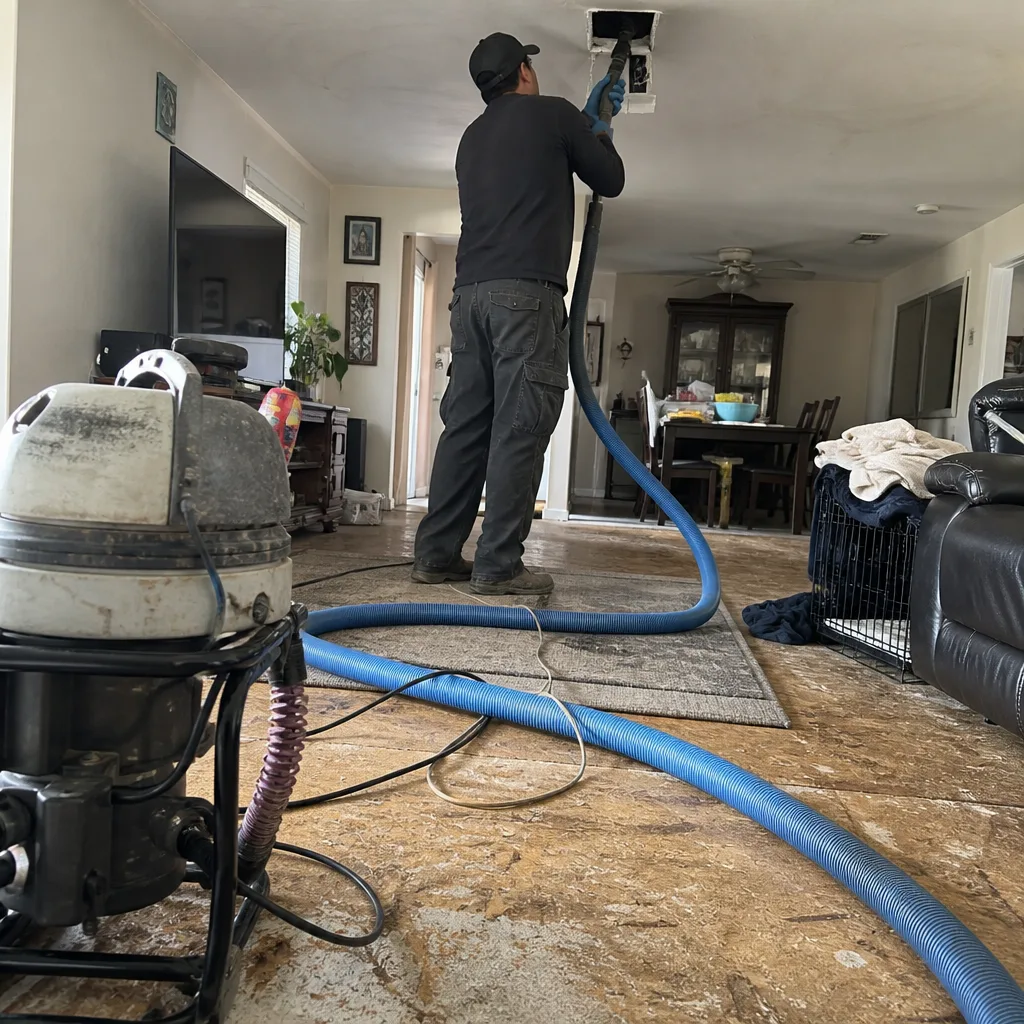
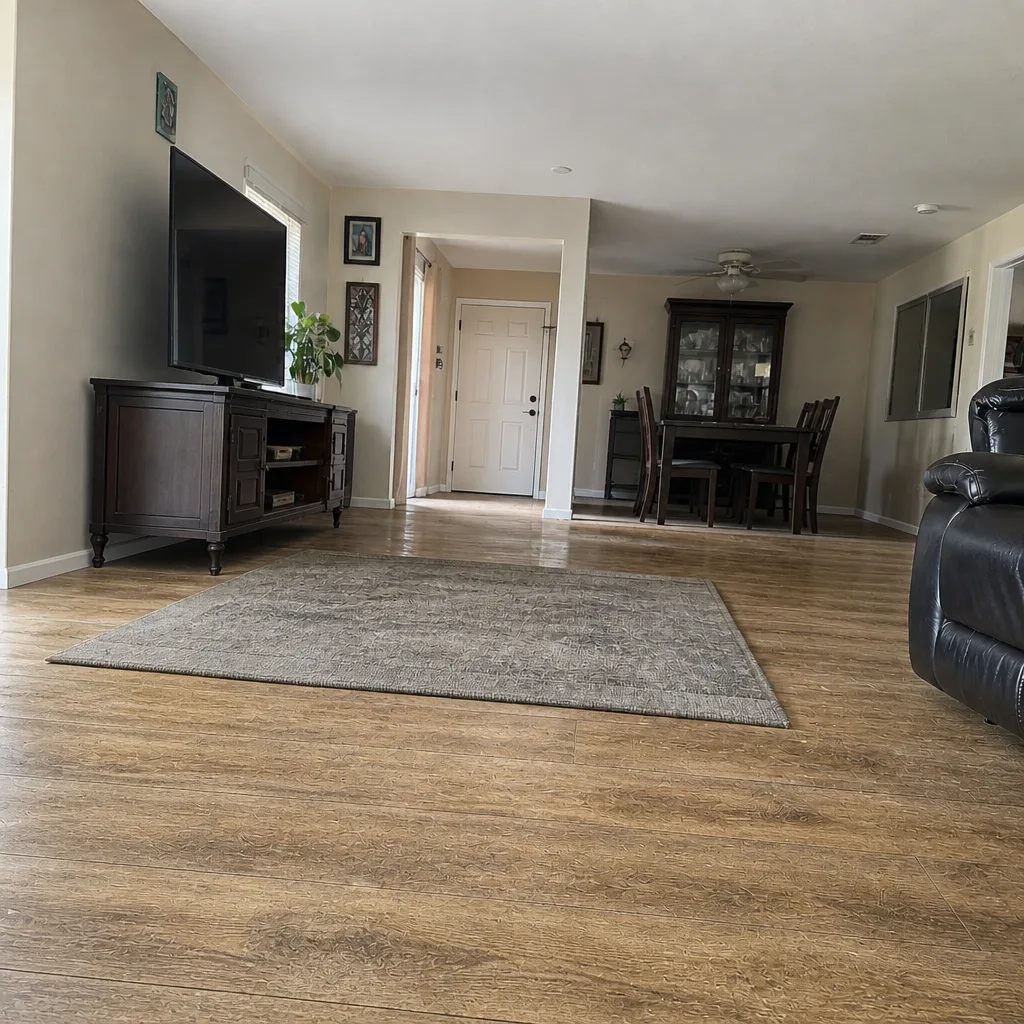
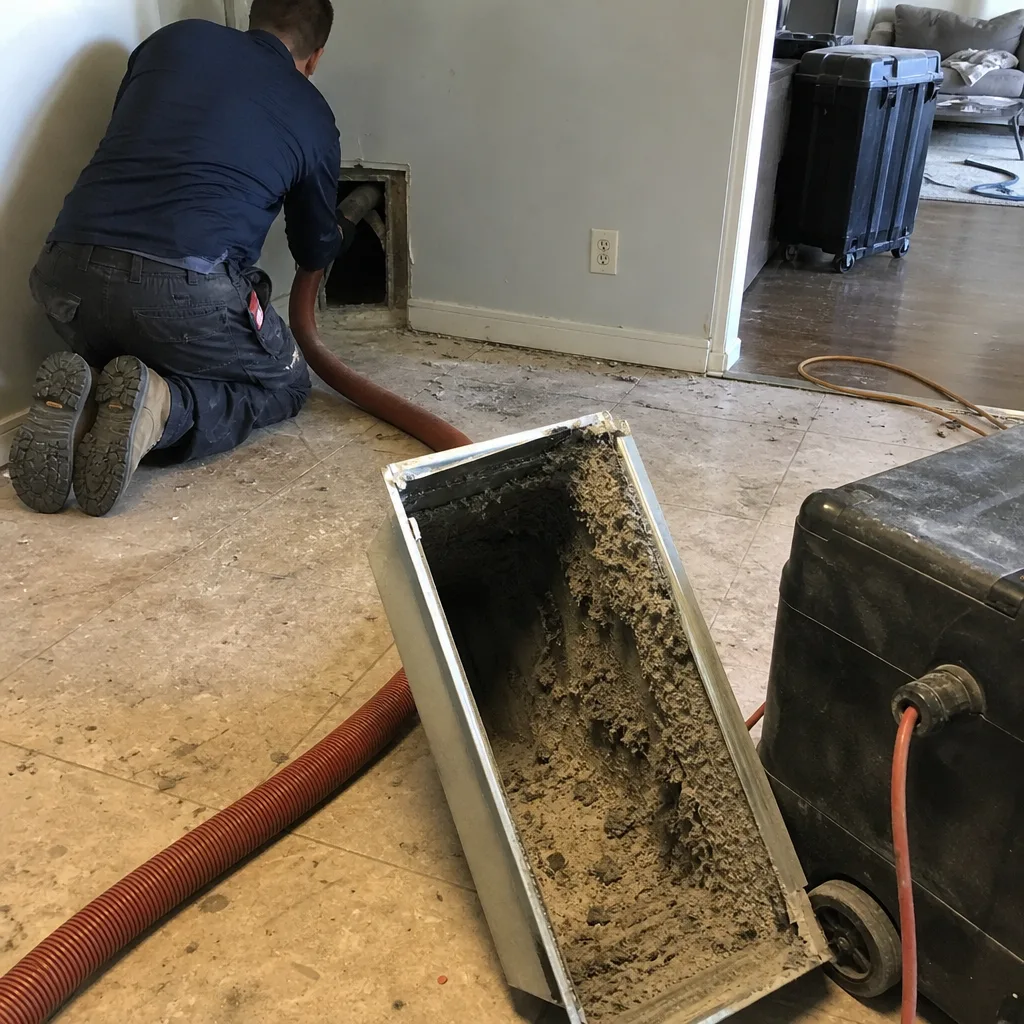
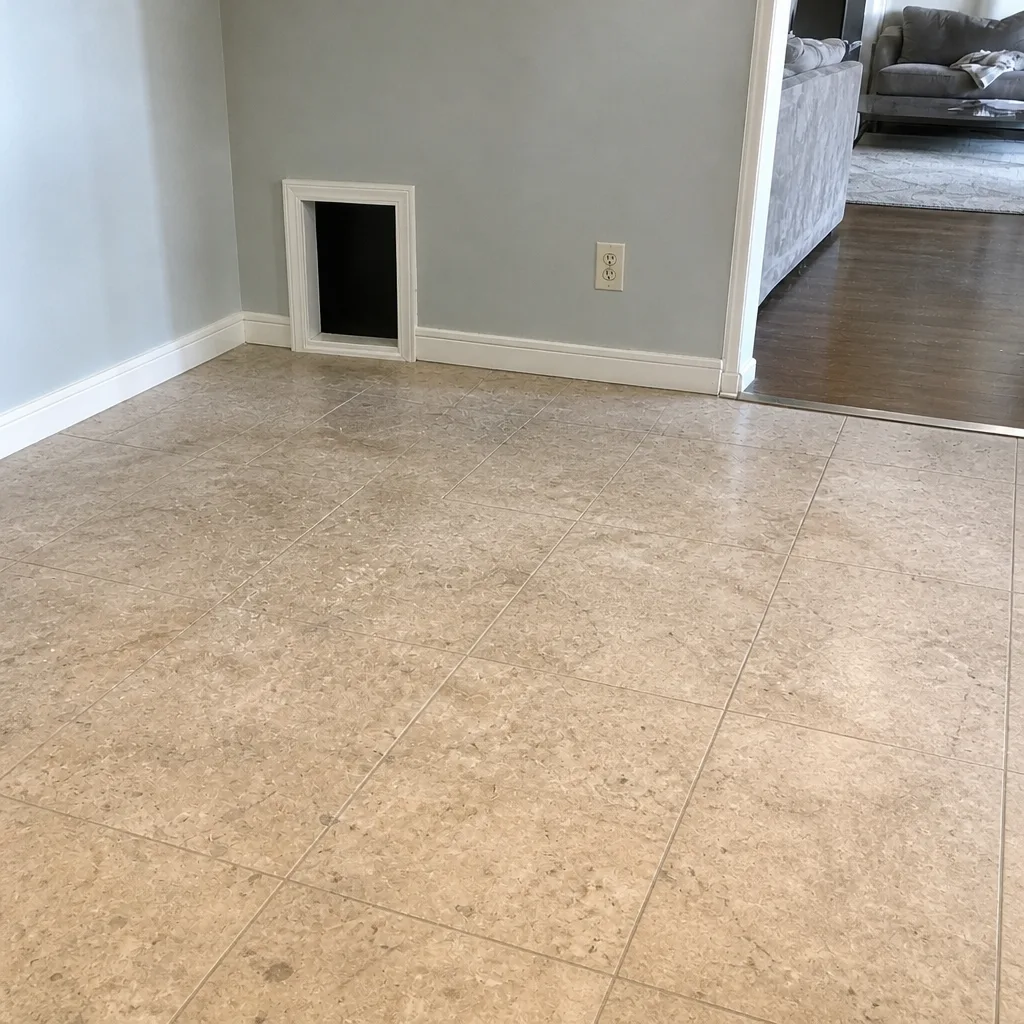
Whole-system duct and dryer vent check with before-and-after photos - you see exactly what came out of your vents
That "$99 whole-house special" is a bait ad - the real number appears once they are in your hallway, or the "clean" is a shop-vac at the register. We photograph the inside of your ducts before and after instead.
How to Hire an Air Duct Cleaning Contractor in Glendale: A Step-by-Step Guide
Arizona does not require a specific license to clean air ducts. That single fact rearranges everything you think you know about hiring someone. The person who cleaned your neighbor’s pool last summer could legally show up at your door this fall with a shop vac and a business card, and nothing in state law would stop them. No state exam. No minimum equipment standard. No required training hours. That’s not a knock on pool cleaners. It’s a warning about a trade with an almost nonexistent barrier to entry. So the protection you have isn’t a license you can look up. It’s the questions you ask before anyone touches your system. This guide walks through exactly which questions separate a real duct cleaning operation from a rental-unit crew, what NADCA membership does and doesn’t verify, how cut-rate pricing is built to upsell you, and how to read an inspection report that proves the work happened. We’ll keep it specific to Glendale throughout, because the housing stock and the market here shape what a fair job looks like.
Quick Answer
To hire an air duct cleaning contractor in Glendale, ask four things before you book: what equipment they use (brand names like Rotobrush or Nikro, and a real CFM rating), whether they’ll provide before-and-after photos and camera footage of your main trunk lines, whether they carry liability insurance that covers work inside an HVAC system, and whether the price is a flat rate for the whole system rather than a per-vent or teaser figure. Get all four in writing. A contractor who can answer them without hesitating is usually the one worth hiring. One who dodges any of them is telling you something.
Styles & brands we work with
- Whole-home duct cleaning
- Dryer vent cleaning
- Camera inspection
- Sanitizing & deodorizing
Table of Contents
- Why Arizona’s Licensing Gap Changes How You Hire
- The Equipment Questions That Reveal a Real Operator
- What NADCA Membership Verifies (and What It Doesn’t)
- Red Flag Pricing: How $49 Whole-House Deals Work
- Reading the Pre- and Post-Cleaning Inspection Report
- Insurance Requirements for Work Inside Your HVAC System
- What Glendale Homes Specifically Need Considered
- Step-by-Step: The Hiring Process From First Call to Sign-Off
Why Arizona’s Licensing Gap Changes How You Hire
Most states that regulate duct cleaning at all do it through a general contractor or HVAC licensing framework. Arizona handles HVAC contracting under a registrar of contractors license, but duct cleaning on its own isn’t a separately licensed trade. That means a crew can legally clean ducts without holding an HVAC contracting license, and a homeowner has no state database to check before letting them in. The practical consequence is that credentials have to be verified directly, through the contractor, not through a government lookup.
This isn’t a reason to panic. It’s a reason to slow down and ask better questions. The workers who do this well tend to welcome the scrutiny, because they’ve spent real money on equipment and training and they’re tired of being undercut by crews with a rented blower. When you ask a contractor about their equipment brand and CFM rating and they light up and start explaining their setup, that’s usually a good sign. When they change the subject, that’s information too.
What “unlicensed” actually means in practice
- There’s no state exam to pass. Nothing verifies that a crew understands how a supply-and-return system works, how to protect a furnace during cleaning, or how to avoid dislodging a flexible duct connection.
- There’s no equipment floor. A shop vac and a hose technically count as duct cleaning equipment. Consumer-grade vacuums don’t move enough air volume to pull debris from a long trunk run.
- There’s no insurance mandate tied to the trade. Which means you have to ask for a certificate of insurance yourself, and read it.
For property managers maintaining rentals in Glendale, the gap matters even more. A single botched job that damages a flex duct run or an air handler can turn into a tenant complaint, a repair bill, and a documentation problem. That’s why our recommendation, whether you own one home or a dozen, is to treat the pre-hire conversation as the real due diligence. It’s the only due diligence available.
The Equipment Questions That Reveal a Real Operator
If you only ask one category of question, make it equipment. Professional duct cleaning runs on two things working together: a high-volume negative-pressure vacuum that pulls debris out of the system, and an agitation tool that loosens debris from the duct walls so the vacuum can capture it. Consumer gear fails at both. A shop vac moves a fraction of the air volume a truck-mounted or trailer-mounted unit moves, and a garden hose or a length of flexible tubing does nothing to scrub caked dust off a duct interior.
Ask for brand names. The professional names in this trade are specific – Rotobrush, Nikro, Abatement Technologies – and a contractor using them will know exactly what they’ve got. Ask about CFM. CFM stands for cubic feet per minute, and it’s the measure of how much air the vacuum moves. Consumer vacuums sit in a low range. Professional rotary-brush-and-vacuum systems move substantially more, which is what makes a whole-system clean possible in a reasonable amount of time. You don’t need to be an engineer to evaluate the answer. You just need to hear a number and a brand, not a vague reassurance.
Specific questions to ask on the phone
- What brand of cleaning equipment do you use? Listen for Rotobrush, Nikro, or Abatement Technologies. If they name a consumer shop vac brand, that’s your answer.
- What CFM does your vacuum pull, and is it truck-mounted or portable? A vague answer here means they don’t know or don’t want you to know.
- What do you use to agitate the duct walls? Look for rotary brush systems. Whipping a hose around inside a duct isn’t agitation.
- Do you use a camera to inspect the main trunk lines before and after? Camera inspection is how a real operator verifies the work.
- How do you protect the furnace and air handler during cleaning? A crew that doesn’t have a clear answer is a crew that can damage your system.
When we run a job in Glendale, the sequence is rotary brush agitation with a Rotobrush or Nikro system, followed by high-volume extraction, with Abatement Technologies equipment available when a home needs remediation-level air quality work. That combination is what “commercial-grade equipment, residential pricing” actually means in practice – the tools are built for industrial and commercial settings, but the job is happening in your house.
What NADCA Membership Verifies (and What It Doesn’t)
NADCA is the National Air Duct Cleaners Association, and its membership is often cited as the gold standard for the trade. It’s a real signal, but it’s important to understand what it actually covers. NADCA membership indicates that a company has committed to the association’s standards and, depending on membership tier, that at least one person on staff has completed the association’s certification coursework. That’s meaningful. It suggests a baseline level of professional seriousness that a random crew doesn’t have.
What it doesn’t do is verify the specific crew that shows up at your door. Membership sits with the company, not with every technician. It doesn’t tell you what equipment they’re running. It doesn’t guarantee the price you were quoted is the price you’ll pay. And it doesn’t inspect the work. So NADCA membership is a floor, not a ceiling. A company with it is more likely to be legitimate than one without it, but you still have to ask the equipment questions and check the insurance and read the report. If anything, use NADCA membership as an initial filter. Once a contractor clears it, move on to the questions that actually protect you.
How to verify membership without trusting the logo
- Ask for the membership number or the company’s listing on the NADCA site, and check it yourself.
- Ask which individual holds the certification and whether they’ll be on site for your job.
- Ask what the certification involved – course hours, exam, periodic recertification – so you know what it covered.
- Ask whether the company follows NADCA’s assessment, cleaning, and restoration standards, or just the cleaning portion.
Those four questions will tell you more about a contractor than the membership logo alone. For everyone in Glendale who’s been burned by a crew with impressive marketing and thin substance, that extra step is worth the five minutes.
Red Flag Pricing: How $49 Whole-House Deals Work
A whole-house duct cleaning cannot be done properly for $49. The equipment costs, the labor costs, and the time required to genuinely clean a full residential system all add up to far more than that. So when you see a $49 teaser, what you’re looking at isn’t the price of the job. It’s the price of getting a technician into your home, where the real sale begins. The $49 deal gets the technician through the door. What happens next is where the money is made.
Common patterns that Glendale homeowners should recognize:
- The “mold discovery.” A technician shines a flashlight in a return and announces mold. Remediation gets priced on the spot. The “mold” is often ordinary dust, and remediation is a separate specialized service that shouldn’t be sold by flashlight during a cleaning visit.
- The “sealant upsell.” Aerosol sealant gets pitched as necessary to fix leaks the technician “found.” Sealant has legitimate uses, but it’s not a routine add-on, and a cleaning visit isn’t the right setting to decide on it.
- Per-vent pricing. A “per-vent” quote incentivizes the contractor to add vents, or to charge you more for a home with more vents, regardless of how the actual work is scoped. Whole-system pricing is cleaner.
- Pricing that grows during the visit. “The job is bigger than we thought” is sometimes true and sometimes a script. Get a written price before work starts.
- No written estimate. The single biggest red flag. If they won’t put the scope and the price in writing, there’s no agreement to hold them to.
What fair pricing looks like
Fair pricing is a flat rate for the whole system, agreed before the work starts, with a written scope that says what’s being cleaned, how, and with what equipment. Every system is different in size and layout, so pricing per job is the honest approach. What we don’t do is quote a per-vent number or a teaser that becomes a bigger bill once the technician is inside. The written estimate sets the final price, and the number on that estimate is the number you pay.
Reading the Pre- and Post-Cleaning Inspection Report
A real inspection report is documentation, not marketing. It shows you what the system looked like before the work and what it looked like after, with photographs and, ideally, camera footage of the main trunk lines. If you can’t see the trunk lines on camera, you can’t know whether they were cleaned, and neither can anyone else. That’s why camera documentation is the single most important part of the report to ask for.
Ask for the report structure up front, before you book. A contractor who provides before-and-after documentation will tell you so without hesitation. A contractor who’s vague about it is telling you something.
What a complete report should include
- Pre-cleaning photos of the main trunks, the supply registers, and the return plenum.
- Post-cleaning photos from the same angles, so you can compare directly.
- Camera footage of the main trunk lines, ideally before and after. The main trunks are where the real dust load lives.
- A written summary of what was cleaned – which runs, which registers, which components.
- Notes on any conditions found that cleaning alone can’t fix, such as disconnected or crushed flex duct, failed seals, or debris that can’t be reached without repair.
- Filtration and IAQ notes if the contractor noticed a filter issue – Honeywell and Aprilaire systems are common in Glendale homes, and a contractor who knows them can tell you whether your filtration is set up sensibly or fighting the system.
How to read it critically
Don’t just accept the report – read it. Are the “before” and “after” photos from the same angles? Is the trunk footage recent and labeled? Does the summary list the register count you actually have, or something suspiciously generalized? A responsible contractor is happy to walk you through their report, answer questions, and produce additional footage if you ask. When we do a job in Glendale, we hand over the before-and-after photos of your own ducts, not a stock gallery from someone else’s home, because that’s the only documentation worth anything.
Insurance Requirements for Work Inside Your HVAC System
Working inside an HVAC system means working near the furnace, the air handler, the coil, and the ductwork itself. Damage can happen. A technician can dislodge a connection, puncture a flex duct, or knock into a component that costs real money to repair. So you need to verify that the contractor carries two things: general liability insurance that covers property damage, and, ideally, workers’ compensation coverage in case someone gets hurt on your property. A certificate of insurance is the document that proves it.
Request the certificate before booking. Not the quote. The certificate. It should name the insured business (the contractor, not a different company), list the policy effective dates (current), and show general liability coverage that’s active. If the contractor is an LLC or corporation with employees, ask about workers’ compensation too. If they’re a sole proprietor with no employees, ask them to confirm in writing whether they carry it.
What to verify on the certificate
- Named insured matches the company you’re hiring. A certificate for a different entity is a warning sign.
- Policy effective dates are current. An expired certificate is not proof of coverage.
- General liability is active. This is what covers your property if something gets damaged.
- Workers’ compensation is listed, or the absence is explained. If a worker is hurt in your home and the contractor has no workers’ comp, the costs can bounce back to you.
Two more checks worth knowing. In Arizona, HVAC contractors operating under a registrar of contractors license are typically required to carry a surety bond and workers’ comp, so asking whether the contractor holds an HVAC license – and whether they can verify it – is a useful supplementary check even if duct cleaning itself doesn’t require the license. And ask whether the certificate of insurance will list you as an additional insured for the duration of the job. That’s a standard commercial ask and it puts you on the policy if something goes wrong.
What Glendale Homes Specifically Need Considered
Glendale is a desert city, and that shapes what a duct cleaning actually involves. Homes here run the air conditioning for much of the year, which means the system is moving air constantly for months at a time. That sustained runtime pulls more dust, more lint, and more construction debris from the ductwork than you’d see in a milder climate, especially in older neighborhoods where the homes have cycled through more than one HVAC install. The result is that Glendale systems often carry a heavier dust load, and the cleaning needs to be thorough enough to actually remove it.
Housing stock matters too. Glendale has a mix of older mid-century homes and newer developments, and duct layout varies wildly. Older homes frequently have attic ductwork with flexible runs and original connection hardware that was never designed for decades of service. Newer homes may have more complex manifold systems. Neither situation is a problem for a competent crew, but both require a contractor who inspects the layout before cleaning, not one who assumes one standard process covers every home.
Neighborhood and layout considerations
- Systems running year-round in high summer use accumulate more dust and lint than systems that sit idle half the year.
- Attic duct runs in older Glendale homes often include flexible segments and connections that should be checked for crush damage before cleaning.
- Filtration setup varies widely. Some homes have standard 1-inch filters, others have deeper media cabinets or systems like Honeywell and Aprilaire. A contractor who knows the difference can tell you whether your filter is doing its job.
- Dryer vent cleaning matters separately. We treat it as its own service, not a footnote, because lint accumulation in a dryer vent is a fire concern, not a convenience issue.
For property managers in dryer vent cleaning, the case is even stronger when tenants are in place – unserviced dryer vents are a documented fire risk, and documenting the service serves you twice. For homeowners who’ve never had the ducts cleaned, the first call is often a good moment to have the whole system assessed rather than just cleaned.
Step-by-Step: The Hiring Process From First Call to Sign-Off
Here’s the sequence we recommend, start to finish, for getting an air duct cleaning done in Glendale with confidence. It takes about as long as any other home service hire, and it’s worth doing carefully.
- Make the first call and ask the equipment questions. Brand names, CFM, agitation tool, camera. If the answers are vague, politely end the call.
- Ask for the certificate of insurance. Review it before you book. Verify the business name, current dates, and coverage types.
- Ask about NADCA membership and what it covers. Then ask the certification-holder question so you know who to expect.
- Request a written estimate. The scope, the equipment, the flat price for the whole system, and the documentation you’ll receive. Nothing verbal.
- Ask for the pre-cleaning inspection report structure. Confirm that before-and-after photos and camera footage of the main trunks will be provided.
- Book the job. Expect a scheduled visit, not an emergency call – duct cleaning is planned work, not urgent work.
- Review the documentation on completion. Compare the before-and-after photos of your own ducts. Walk through the notes on any repair issues found.
One more consideration: if the inspection turns up a problem cleaning can’t address, the next step is repair, not a second cleaning. Flex duct that’s crushed or disconnected won’t be fixed by running a brush through it. We offer air duct cleaning and air duct repair as separate services for that reason – clean it, fix it, protect it, in that order, because a clean system with a broken connection won’t stay clean. Our technicians have up to experience, and part of what that experience teaches is knowing when cleaning is the right answer and when it isn’t.
Common Mistakes to Avoid
- Booking on price alone. A $49 whole-house deal is not the price of a whole-house job. It’s the price of an entry visit. Ask what the whole-system rate is before you agree to anything.
- Not asking about equipment. If you don’t know the brand and CFM before the crew arrives, you’re trusting a stranger with your system based on a phone call alone. Ask first.
- Skipping the insurance check. A certificate of insurance is a five-minute review. Skipping it means risking the cost of a damaged duct or a worker injury landing on your homeowner’s policy.
- Accepting a verbal estimate. Verbal quotes are unfalsifiable. The written estimate is the document you hold the contractor to.
- Assuming NADCA membership is enough. It’s a useful filter, not a complete guarantee. The equipment questions, insurance check, and report review still matter.
- Owning a Glendale rental without documenting the work. Property managers who hire without documentation lose the evidence trail that protects them when a tenant raises a concern months later.
- Forgetting the dryer vent. The dryer vent isn’t the same thing as the air ducts, and it’s usually the fire-prevention part of the job. Treat it as its own service, and ask whether it’s included or separate.
See the difference
 Before
 After
 Before
 After
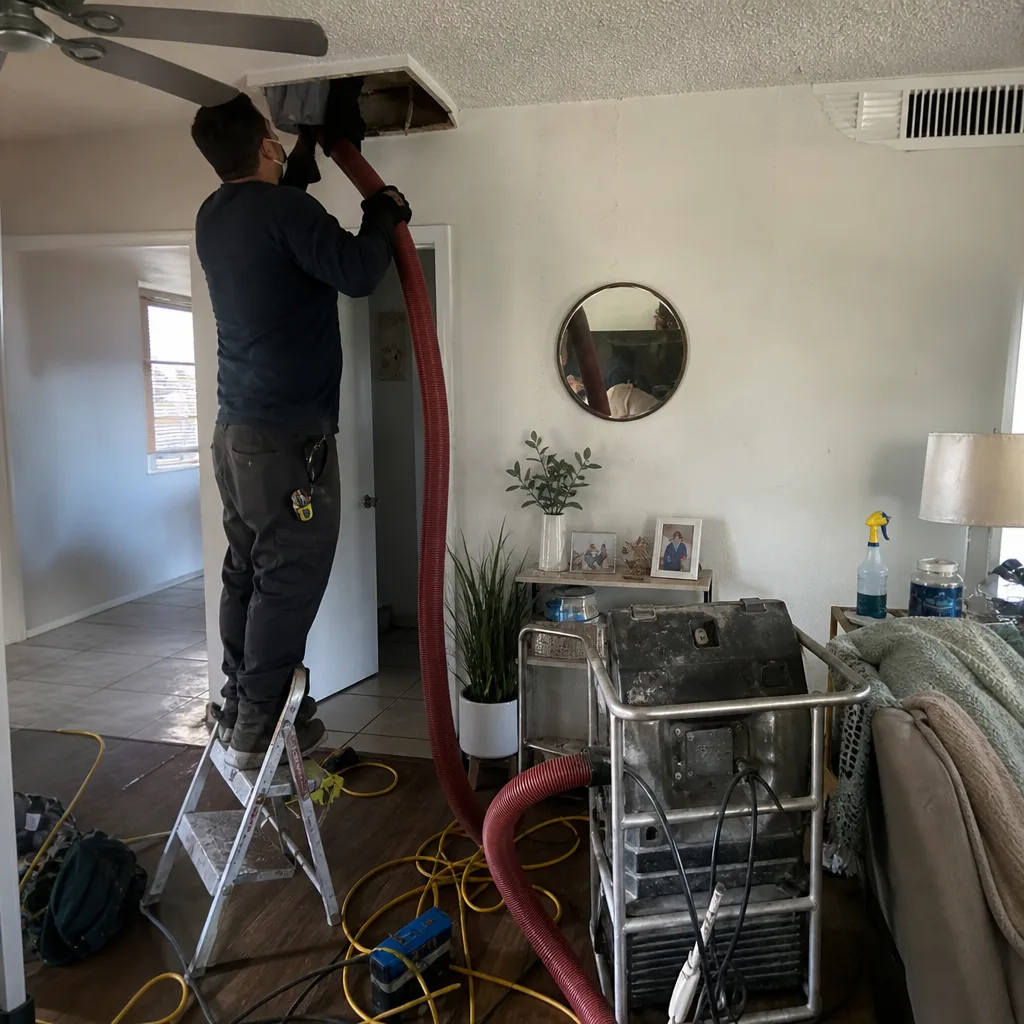 Before
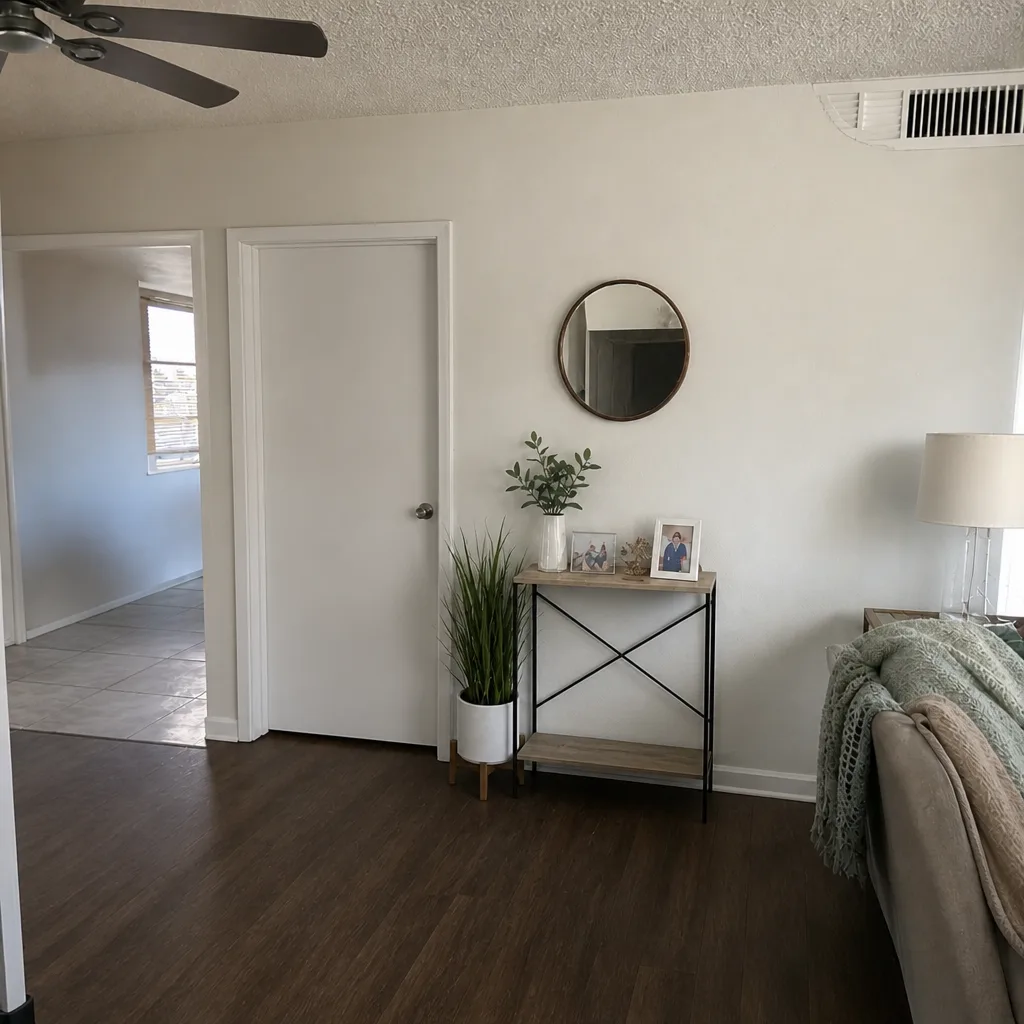 After
When to Call a Professional
Call a professional when you’re seeing dust settle quickly on surfaces after cleaning, when allergy symptoms get worse indoors than outside, when the HVAC system seems to be running but not moving air the way it used to, or when you’ve moved into a home and don’t know the last time the ducts or dryer vent were serviced. In Glendale, a home with a long runtime cycle and no service history is a candidate for a first assessment. If you’ve never had the dryer vent cleaned and the dryer is taking longer to dry a load, that’s a separate reason to call – lint buildup is a fire concern. If you’re hiring for a rental property, document the service so you have a record. Glendale Duct Cleaning offers free estimates in Glendale – call (855) 745-4301. We answer 24/7. Fast dispatch from 7am to 7pm, Sunday through Friday.
Frequently Asked Questions
Pricing in Glendale is set per job by a written estimate, based on the size and layout of the system, how many runs and registers it has, and the condition found during the inspection. That’s the honest structure, because a flat rate for a three-bedroom ranch isn’t fair to an 1,800-square-foot home or a large multi-zone property. What you should insist on is a written estimate covering the whole system before work starts. Call (855) 745-4301 for an exact quote – estimates are free.
Because some of them aren’t quotes for the same job. A $49 teaser is priced to get a technician into your home, where upsells on mold treatments, sealants, or per-vent add-ons turn the final bill into something else entirely. A whole-system clean with professional equipment costs more because it takes more equipment, more labor, and more time. If a quote is dramatically lower than the rest, ask what it actually covers – and whether it’s a per-job or per-vent price. Call (855) 745-4301 for a straight answer on what your property actually needs.
Ask for before-and-after photos and camera footage of your main trunk lines, delivered in a written report. A contractor who provides documentation will show you the difference. A contractor who doesn’t will find reasons to avoid it. On the day of the job, walk through the report with the technician before they leave – you’re entitled to that. Call (855) 745-4301 if you’d like to see what our documentation looks like.
There’s no single universal schedule, and anyone who tells you otherwise without inspecting your system is guessing. In Glendale, where systems run air conditioning for much of the year and accumulate dust faster than in milder climates, periodic assessment makes more sense than a fixed year count. Homes with pets, recent renovations, or a history of smoke exposure tend to need it sooner. The right approach is to have your system inspected and then decide based on what’s actually there. Call (855) 745-4301 for an assessment-based recommendation.
Duct cleaning on its own is not a separately licensed trade in Arizona, so there’s no state database that verifies a contractor’s competency for this specific job. That means your protection comes from the questions you ask. Verify equipment brands and CFM, request the certificate of insurance, ask about NADCA membership and whether the certified individual will be on site, and insist on a written estimate and post-cleaning documentation. Doing those four things is what protects you in a market with minimal state oversight. Call (855) 745-4301 if you’d like us to walk you through each step.
Yes, they’re separate services with separate safety cases. Air duct cleaning addresses the system that moves conditioned air through your home. Dryer vent cleaning addresses lint accumulation in the vent that carries exhaust from your dryer, which is a fire prevention service more than a convenience one. Many homeowners book both at once, but they should be priced and documented separately. Call (855) 745-4301 to discuss what your home needs.
The Bottom Line
Hiring a duct cleaning contractor in Glendale comes down to four checks: equipment, insurance, written estimate, and post-cleaning documentation. Arizona’s thin licensing requirements mean those checks are your only real protection. NADCA membership is a useful starting filter, but it doesn’t replace the equipment questions or the insurance certificate. Watch for teaser pricing – $49 whole-house rates are entry fees, not whole-house prices. Request before-and-after photos and camera footage of your main trunks, and don’t accept a verbal estimate. When you’re ready, Glendale Duct Cleaning is available for a free assessment, and we answer 24/7. Fast dispatch from 7am to 7pm, Sunday through Friday. Call (855) 745-4301 to schedule.
Written by the team at Glendale Duct Cleaning.