
Last updated November 16, 2026
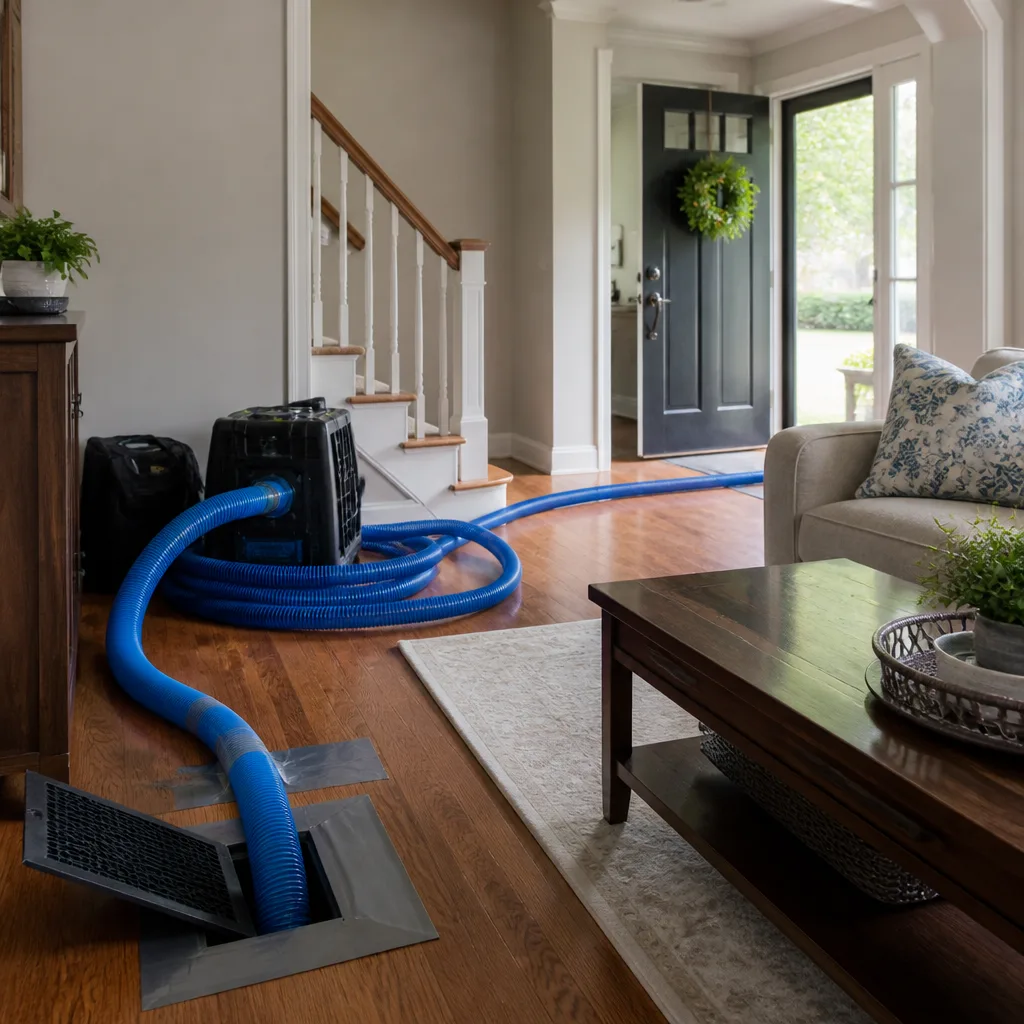 Whole-home duct cleaning
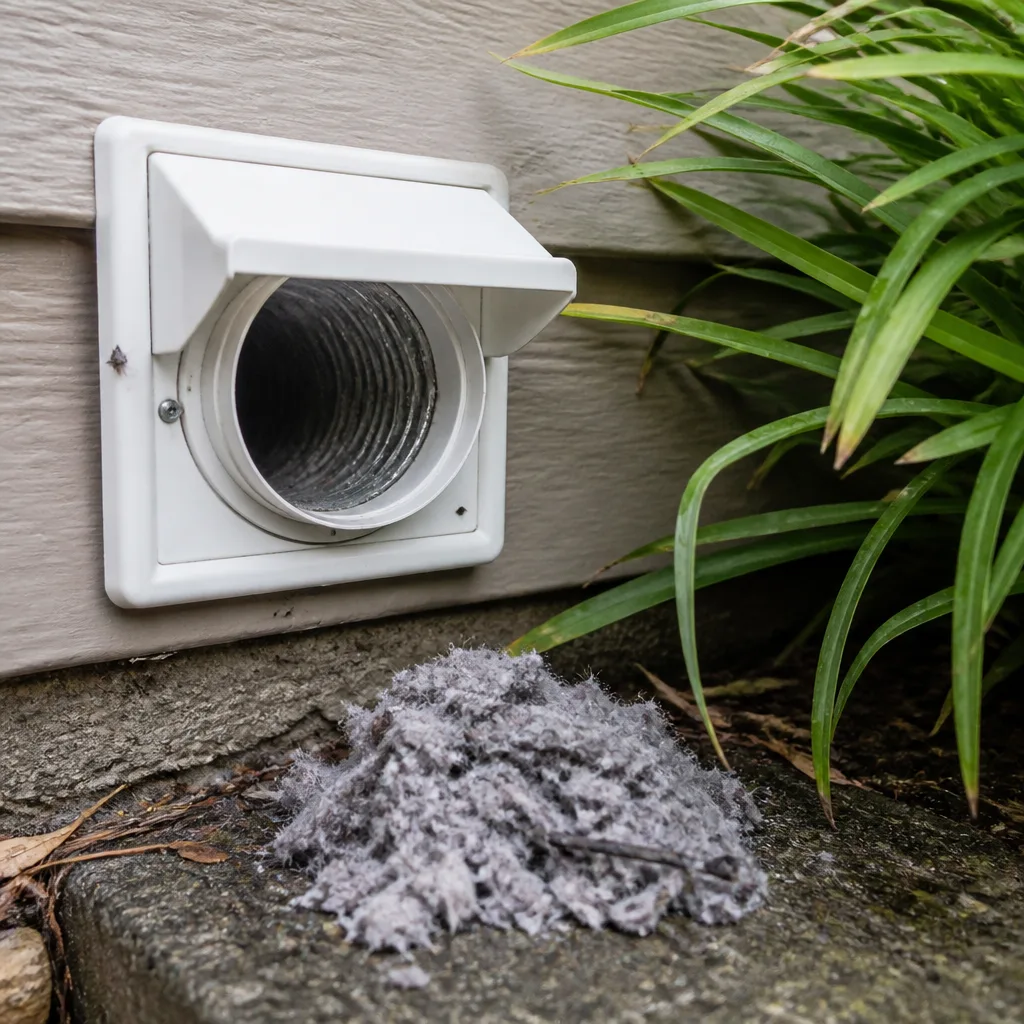 Dryer vent cleaning
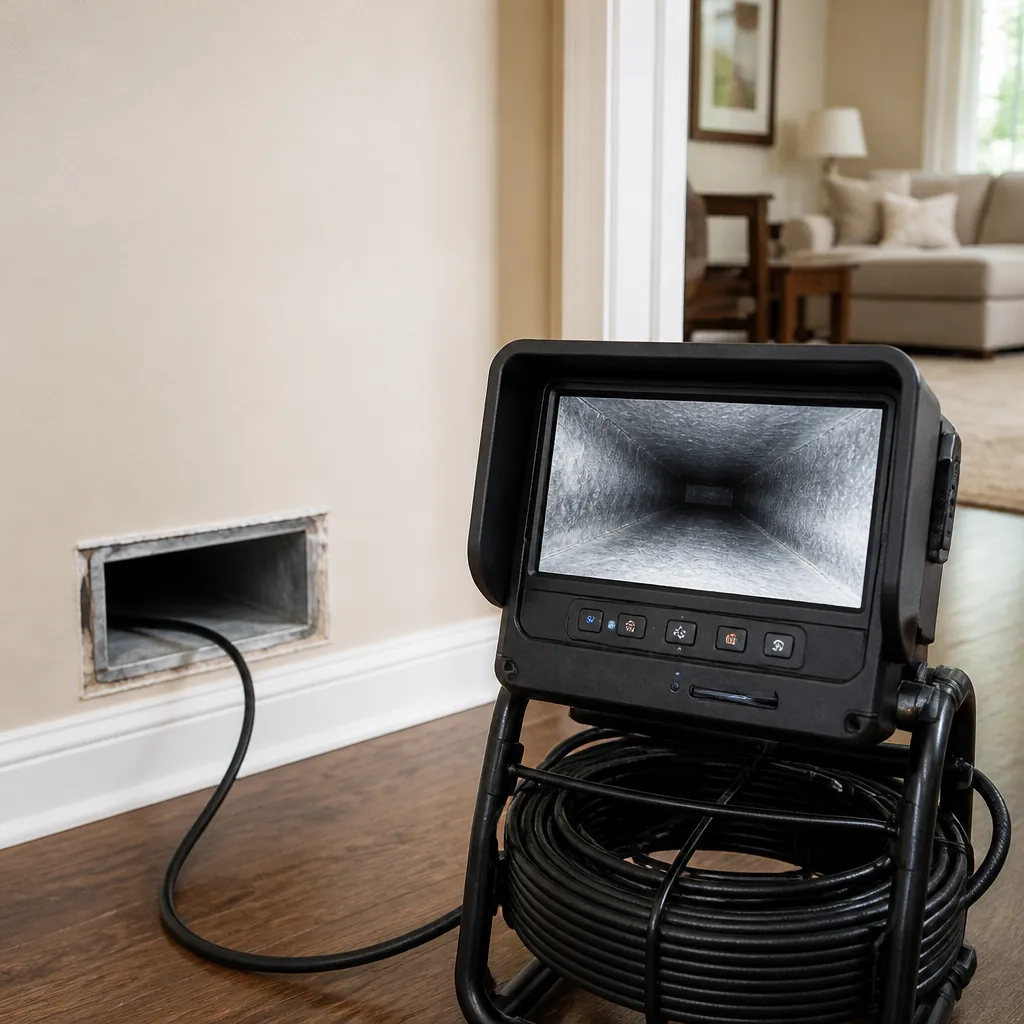 Camera inspection
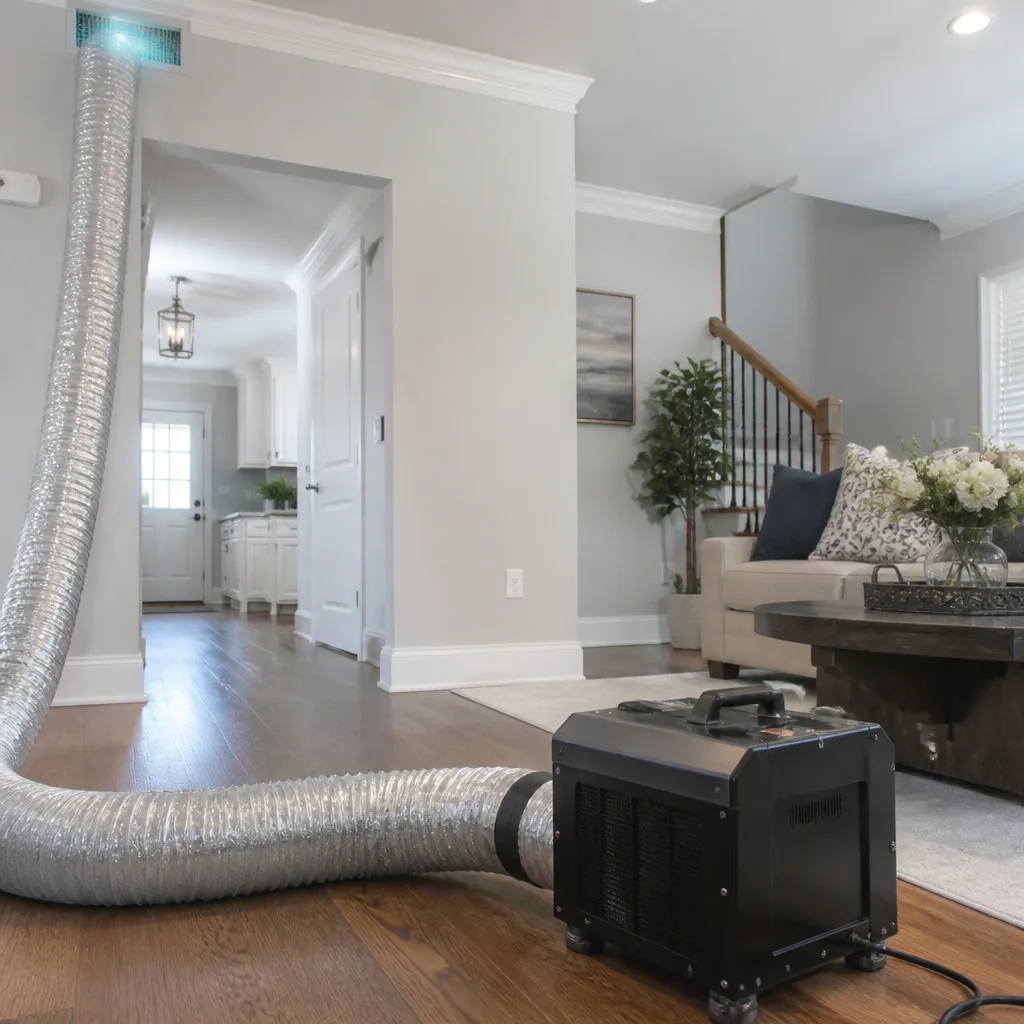 Sanitizing & deodorizing
Whole-system duct and dryer vent check with before-and-after photos - you see exactly what came out of your vents
That "$99 whole-house special" is a bait ad - the real number appears once they are in your hallway, or the "clean" is a shop-vac at the register. We photograph the inside of your ducts before and after instead.
Air Duct Cleaning Cost Breakdown: The Glendale Homeowner’s Reference for 2026
The national average duct cleaning price is useless to a Glendale homeowner. That average folds together two completely different jobs: the company that spends 45 minutes on a 2,400 sq ft home and the company that spends four hours on the same house. Both hand you an invoice that says “full cleaning.” One of them actually cleaned your system. The other ran a blower past your registers and called it done. This guide breaks down what legitimate duct cleaning costs in Glendale in 2026, what each price tier should include, and how to spot the difference before anyone sets foot in your attic. You’ll find real line items, phase-by-phase time expectations, and the pricing red flags that separate a professional job from a bait-and-switch.
Quick Answer
Air duct cleaning in Glendale typically runs $350 to $600 for a standard single-story home and $450 to $800 for a larger two-story house, depending on the number of returns, duct material, and attic access difficulty. Any quote under $200 should be treated as a teaser price that grows once the technician is on site. A legitimate job includes a full inspection, negative air setup, mechanical agitation, register cleaning, and visual verification with before-and-after documentation.
Styles & brands we work with
- Whole-home duct cleaning
- Dryer vent cleaning
- Camera inspection
- Sanitizing & deodorizing
Table of Contents
- What drives duct cleaning cost in Glendale homes?
- 2026 Glendale pricing benchmarks by home size
- What’s inside a legitimate duct cleaning invoice
- The five phases of a real cleaning, with time per phase
- Dryer vent cleaning, coil cleaning, and the add-ons worth paying for
- Price red flags: per-vent pricing and other traps
- When you need duct repair, not just cleaning
- How to choose a duct cleaner in Glendale
What drives duct cleaning cost in Glendale homes?
Four physical factors move the price more than anything else: home layout, number of returns, duct material, and attic access. We’ve seen quotes double between two homes on the same Glendale street because one had a single return and the other had four.
Single-story slab versus two-story. A single-story slab home keeps most of the trunk line in the attic. A two-story home usually has a longer trunk run, supply branches dropping through interior walls, and a second return upstairs. More duct length and more vertical drops mean more agitation passes and more time.
Number of returns. Supply registers are the visible part of the system. Returns are the intake side, and they’re often the dirtiest. A home with four or five returns takes meaningfully longer than a home with one or two, because each return box has to be opened, cleared, and re-sealed.
Flex duct versus hard pipe. Flex duct is corrugated, which traps debris in the ridges, and it’s fragile. A rotary brush has to be run at the right speed and tension or it can tear the liner. Hard pipe cleans faster and tolerates more aggressive agitation. A system that mixes both takes a two-tool approach, and that’s a line item a legitimate contractor prices in.
Attic access difficulty. Glendale homes with tight attic scuttles, low roof pitch, or equipment platforms crowded with the air handler take longer to work around. That’s real labor time, not a hidden fee.
If you’re still deciding whether your home even needs the work, start with the Glendale Duct Cleaning overview of what a full-system evaluation includes before you compare quotes.
2026 Glendale pricing benchmarks by home size
Here’s how the tiers break down for typical Glendale homes. These are estimated ranges, not flat-rate quotes. Every job gets a written estimate that sets the final price, since layout and access vary house to house.
- Small home (up to 1,200 sq ft, 1 system): $300 to $425. Includes inspection, one trunk and up to six supply branches, standard returns, register cleaning, and visual verification.
- Standard single-story (1,200 to 2,000 sq ft, 1 system): $350 to $600. Includes inspection, full trunk and branch cleaning, up to four returns, all register grilles cleaned and reseated, post-verification with photos.
- Larger single-story or modest two-story (2,000 to 2,800 sq ft, 1 to 2 systems): $450 to $800. Includes the above plus longer trunk runs, additional returns, and mixed flex-and-hard-pipe handling.
- Two-story with two systems or complex attic access (2,800 sq ft and up): $700 to $900 or more. Includes multi-system setup, separate negative air units per zone, and additional time for cramped attic platforms.
What each tier should include is the key question. Every one of those ranges above should cover five things: a documented inspection before work begins, proper negative air pressure so debris leaves the house rather than circulating, a full mechanical agitation pass on every branch, register grille cleaning (not just wiping), and a post-cleaning verification with photos. If a quote hits the low end but skips the verification step, you’ve found the gap.
The full detail on what a proper service looks like from the inside is on the air duct cleaning page for this market.
What’s inside a legitimate duct cleaning invoice
A real invoice reads like a project record, not a single line that says “duct cleaning.” Here’s what should be on it, and what each line covers.
- System inspection. A walkthrough of the air handler, supply and return trunks, and attic runs. Photos taken before anything is touched.
- Negative air setup. A high-volume vacuum connected to the main trunk creates negative pressure in the entire system so loosened debris travels into the collection unit rather than into your living room.
- Mechanical agitation. A rotary brush or air whip run through each branch line and the trunk. This is the step that actually removes caked dust, not just surface film.
- Register and grille cleaning. Every supply and return grille removed, cleaned, and reseated. This is a separate line item for a reason, because grilles collect a surprising amount of debris on their own.
- Post-verification. A visual check with photos or video sent to you after the work is complete. If a contractor doesn’t document the result, you have no way to know what happened inside your walls.
Our technicians use Rotobrush and Nikro rotary-brush-and-vacuum systems on these jobs, the same class of equipment commercial contractors rely on, plus Abatement Technologies air quality equipment when a system needs remediation-level handling. Commercial-grade equipment, residential pricing. That’s the whole reason a four-hour job is possible on a system most cut-rate setups would rush in 45 minutes.
The dryer vent cleaning service is priced on the same whole-system logic, not per-vent.
The five phases of a real cleaning, with time per phase
Time is the tell. The sequence below is how a professional job actually runs, and the minutes attached to each phase are the reasons a $89 quote can’t possibly cover the work.
- Inspection and setup (20 to 30 minutes). Walk the system, photograph the before state, connect negative air to the main trunk, and lay drop cloths.
- Trunk line agitation (45 to 75 minutes). Rotary brush and vacuum run through the main trunk from the air handler outward. Long trunk runs and mixed materials add time here.
- Branch line pass (60 to 120 minutes). Each supply branch cleaned individually with the appropriate brush size. A home with twelve branches takes twice as long as one with six.
- Return side and register cleaning (30 to 45 minutes). Return boxes opened and cleared, grilles removed and cleaned, everything reseated and sealed.
- Post-verification and documentation (15 to 20 minutes). Final visual inspection of accessible ductwork, photos captured, system reassembled, and results shared with you.
Total: somewhere between three and four and a half hours for a typical single-story Glendale home. When a company can’t explain their phased approach, that’s a signal there isn’t one.
Dryer vent cleaning, coil cleaning, and the add-ons worth paying for
Not all add-ons are equal. Some are essential line items. Others exist almost entirely to grow the invoice, and homeowners should know which is which.
Worth paying for:
- Dryer vent cleaning. Lint accumulates in the vent run, and a clogged dryer vent is a fire risk. Lint traps catch some of it, but the ducting behind the dryer needs professional attention. This is a safety service, not a convenience.
- Coil cleaning (when inspection reveals buildup). Dirty evaporator or condenser coils force the system to work harder. If the coil is visibly fouled during inspection, cleaning it at the same visit is genuinely useful.
- Duct repair. Leaky or disconnected duct joints waste conditioned air before it reaches your rooms. Cleaning doesn’t fix a torn flex line or a separated joint; repair does.
- Legitimate filtration upgrades. If your existing filter setup is undersized for the home or is a cheap builder-grade slot, a proper media cabinet like a Honeywell or Aprilaire setup can make a real difference. We assess and recommend; we don’t force a purchase.
Almost always unnecessary:
- Mold fogging. A fog treatment can’t fix a moisture source, and without addressing the source the mold returns. If we suspect an actual mold problem during inspection, the honest answer is that a remediation assessment comes before any fogging.
- Antimicrobial coating on duct walls. Once the ducts are mechanically cleaned and dry, there’s generally nothing left to coat. This is the classic “while we’re here” upsell, often priced as a percentage of the base job.
Ask what each add-on actually accomplishes. A contractor confident in the base job will explain rather than pressure.
Price red flags: per-vent pricing and other traps
Duct cleaning has a well-earned reputation problem, and it centers on pricing structure. Here’s what to watch for.
- Per-vent pricing. A low per-vent teaser price sounds reasonable until the technician “discovers” extra vents that weren’t on the original count, or counts supply branches twice. Whole-system pricing agreed in writing before work starts is the only structure that protects you.
- Fuel surcharges not disclosed upfront. If a surcharge isn’t in the written estimate, it shouldn’t appear on the final invoice.
- Mandatory filter purchase. A contractor who requires you to buy a filter from them before they’ll do the job is padding the price. Filter selection is your choice.
- Coupon bait pricing. A $89 “system cleaning” coupon that turns into a $600 invoice once the technician is inside is the single most common complaint. Ask what the coupon covers, line by line, before booking.
- No before-and-after documentation. You shouldn’t have to guess whether your ducts are actually clean. A contractor unwilling to photograph the work either didn’t do it or can’t prove they did.
One flat price per system, agreed before work starts, no per-vent pricing, and before-and-after photos of your own ducts. That’s the standard to hold any contractor to, including us. If a quote doesn’t put those things in writing, walk away.
When you need duct repair, not just cleaning
Cleaning removes debris. Repair restores the system. These aren’t the same job, and knowing which one you need matters.
Signs you may need Glendale duct repair rather than cleaning: uneven airflow between rooms (strong at one register, weak at another), visible tears or disconnected joints in flex duct, rattling or whistling at registers, higher dust levels in one room than the rest of the house, or an HVAC system that runs constantly without keeping rooms comfortable.
Flex duct is the most common repair need in Glendale attics. The corrugated liner tears when it’s handled roughly or when a joint pulls apart over time, and any unsealed joint leaks conditioned air into the attic. A rotary brush has to be used with care on flex so it cleans the liner without damaging it; damaged ductwork is the kind of thing a fast, cheap cleaning makes worse.
A service that only cleans is only solving half the problem. Repair as a standalone service exists because cleaning can’t fix a torn line, and repairing without cleaning leaves you with a sealed system full of debris. That’s why our scope is three services, not one: cleaning, dryer vent work, and duct repair. Clean it. Fix it. Protect it.
How to choose a duct cleaner in Glendale
Start with the equipment question. Ask directly what rotary brush and vacuum system the crew uses. Company names you should recognize: Rotobrush, Nikro, Abatement Technologies. These are professional-grade systems, and a crew using them can explain why a job takes hours instead of minutes. A crew that can’t name their equipment is a crew answering phones for a lead-gen service, not a duct specialist.
Then ask these four questions before booking:
- Is the price whole-system or per-vent? Whole-system, in writing, agreed before work starts. There’s no acceptable answer under per-vent pricing.
- What’s the phased process, and how long does it take? A legitimate job takes three to four and a half hours for a standard home. If the answer is “under an hour,” keep asking.
- Will I get before-and-after photos of my own ducts? If no, don’t book.
- Do you bring a separate air quality setup for remediation-level needs? Abatement Technologies equipment on hand is the tell that a crew can handle real contamination, not just surface dust.
Licensed (once verified), insured, and working to recognized industry materials through brands like Guardsman in the service toolkit. Our technicians are trained on Honeywell and Aprilaire filtration systems too, so the assessment doesn’t end when the cleaning does.
Glendale spans a range of home types, from older construction near the historic downtown to newer builds in the northern neighborhoods, and duct layouts vary more than most homeowners expect. The written estimate reflects that variation rather than hiding it behind a flat coupon price.
Common Mistakes to Avoid
- Booking on price alone. A rock-bottom quote has to recover its margin somewhere, and it’s usually in skipped steps or surprise add-ons. Whole-system price plus documented process is the safer screen than the lowest number.
- Not asking where the vacuum connects. A vacuum hooked to a register doesn’t create negative pressure across the whole system. It has to connect at the main trunk to actually evacuate debris.
- Skipping return cleaning. Returns are the intake side and often the dirtier half of the system. If a quote only mentions supply vents, it’s not cleaning the whole system.
- Assuming flex duct is safe for aggressive cleaning. Flex duct is fragile. A crew that runs the same brush as hard pipe will tear liners. Ask how they handle mixed-material systems.
- Buying antimicrobial coating before checking the moisture source. The coating is the visible fix. The cause is usually an unsealed joint or a moisture issue in the attic, which is what needs addressing.
- Neglecting the dryer vent. Dryer vent cleaning is a fire-prevention service, and it’s a separate job from HVAC duct cleaning. A homeowner focused on HVAC dust often forgets the lint trap behind the dryer.
- Not asking for documentation. Without photos and a written summary, you have no way to judge the result. A contractor confident in the work will hand you the proof without being asked twice.
See the difference
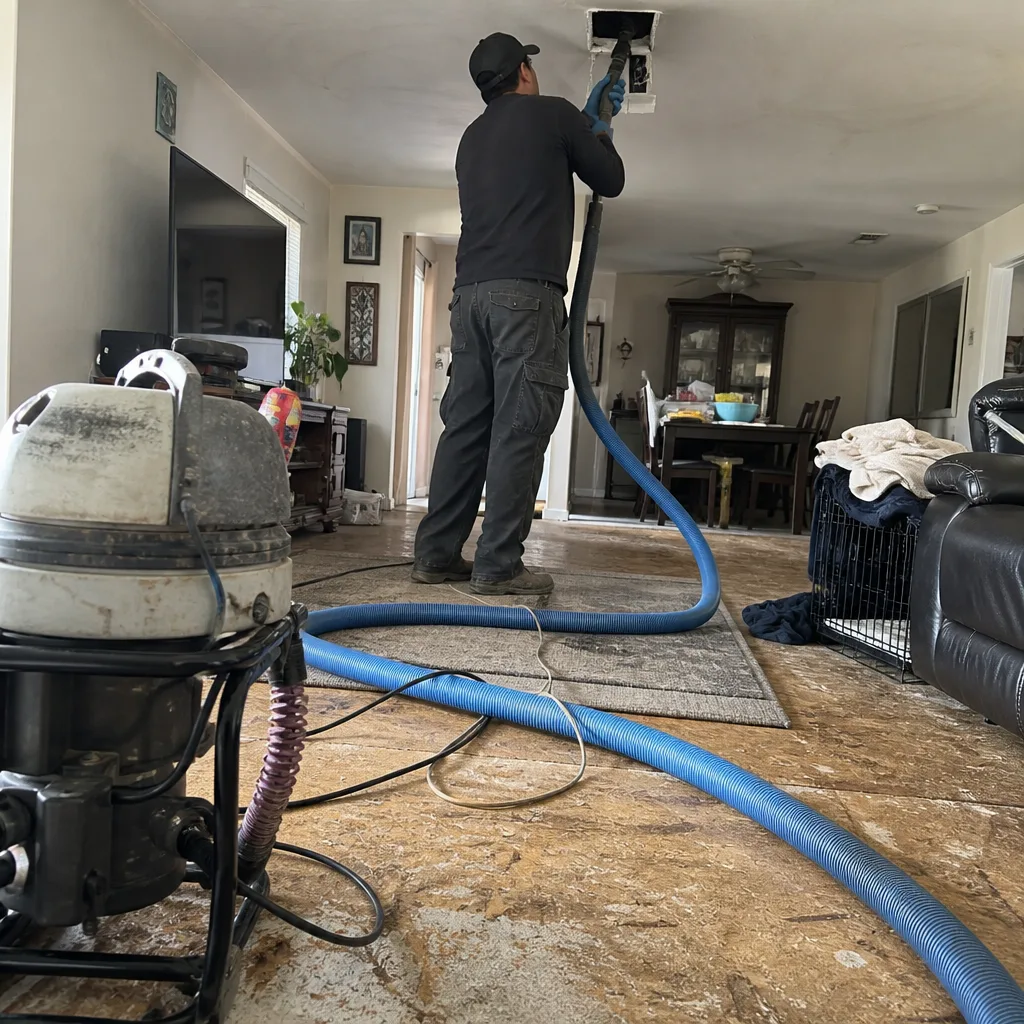 Before
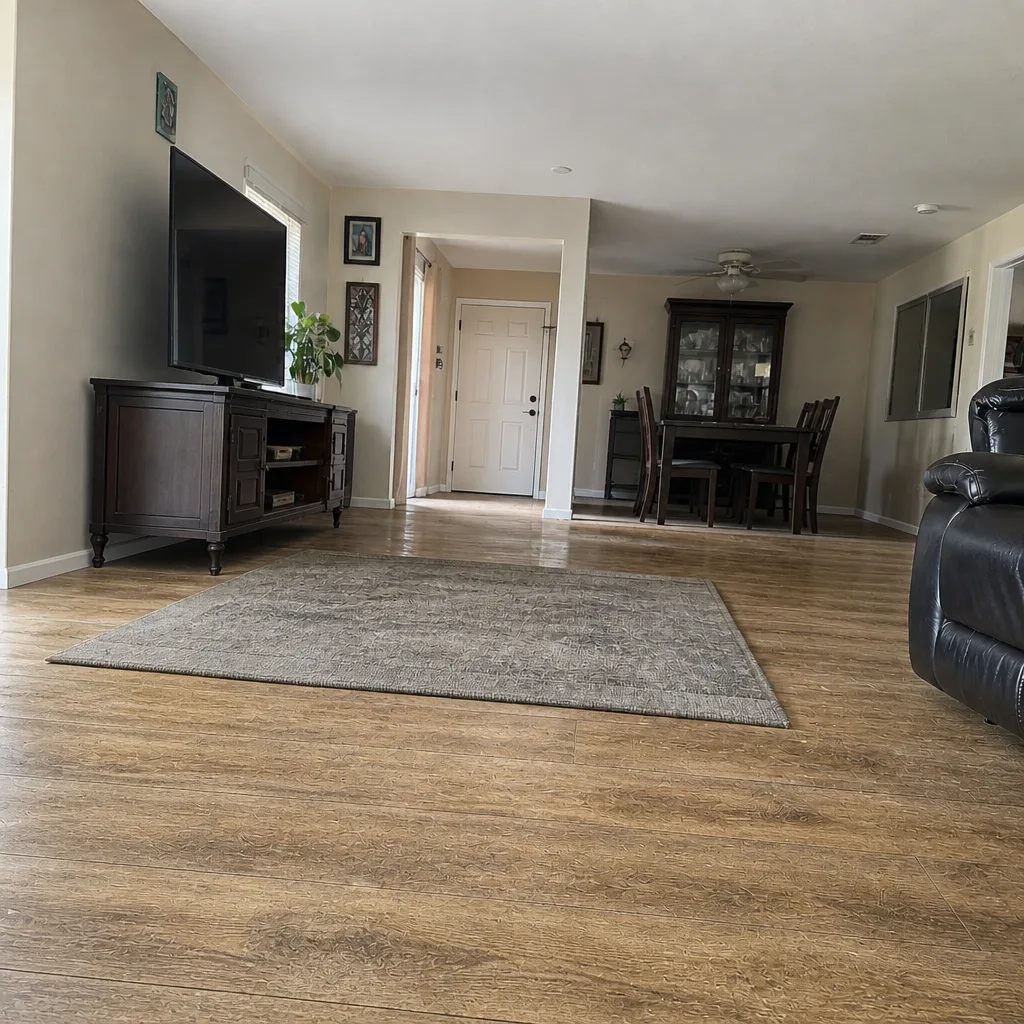 After
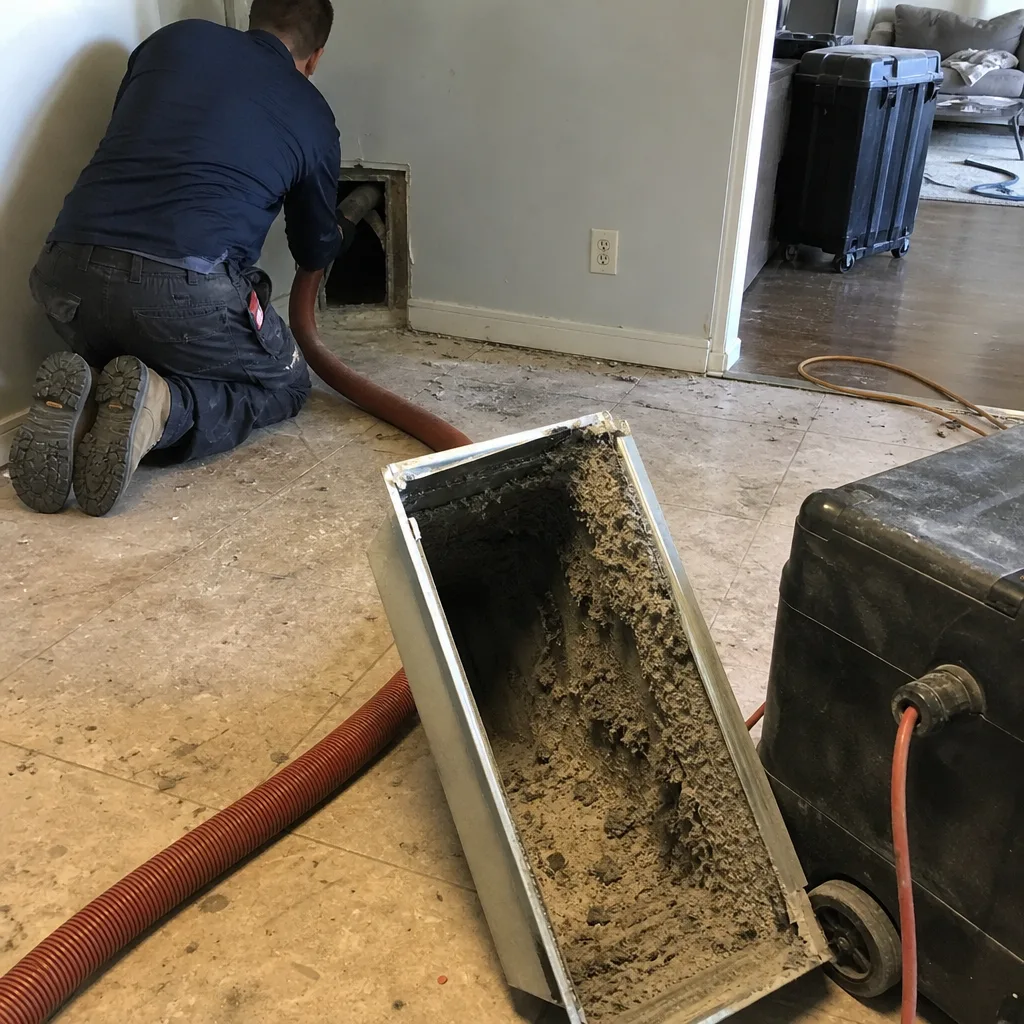 Before
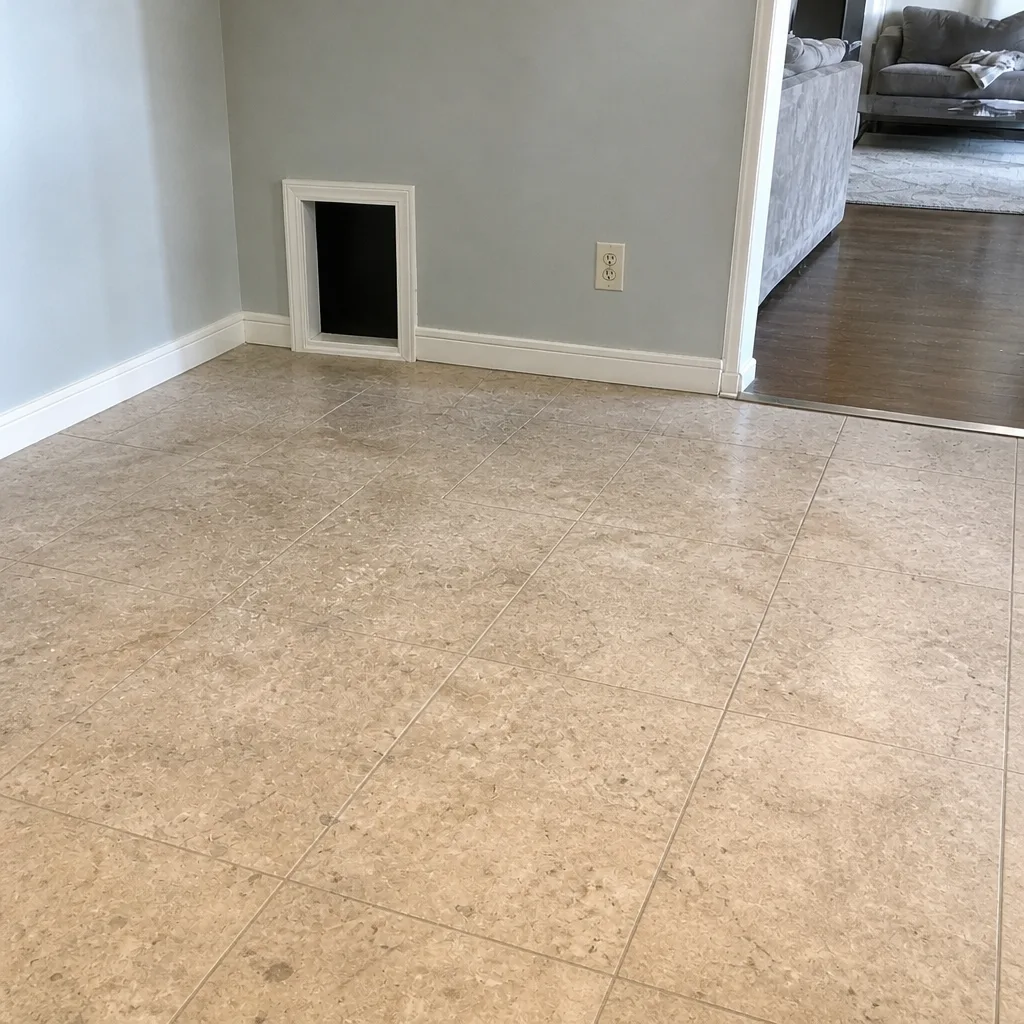 After
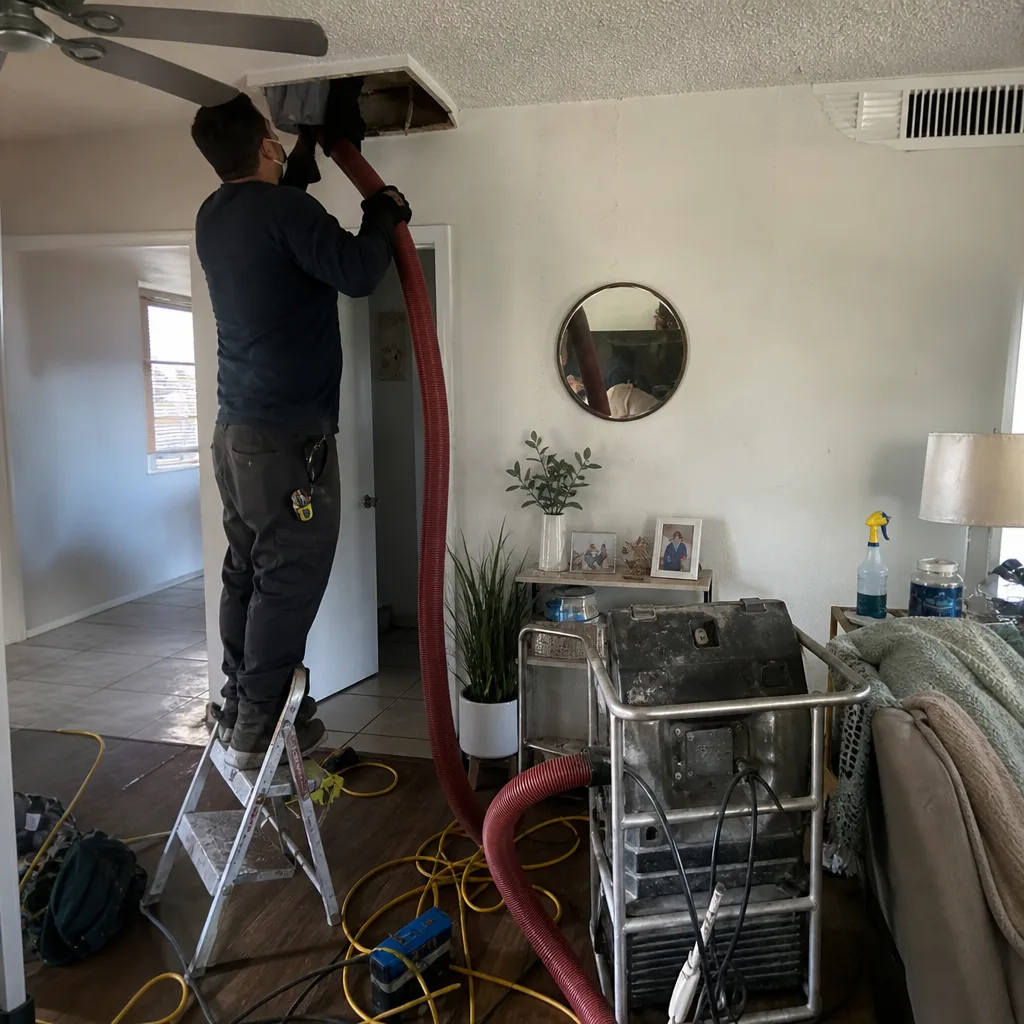 Before
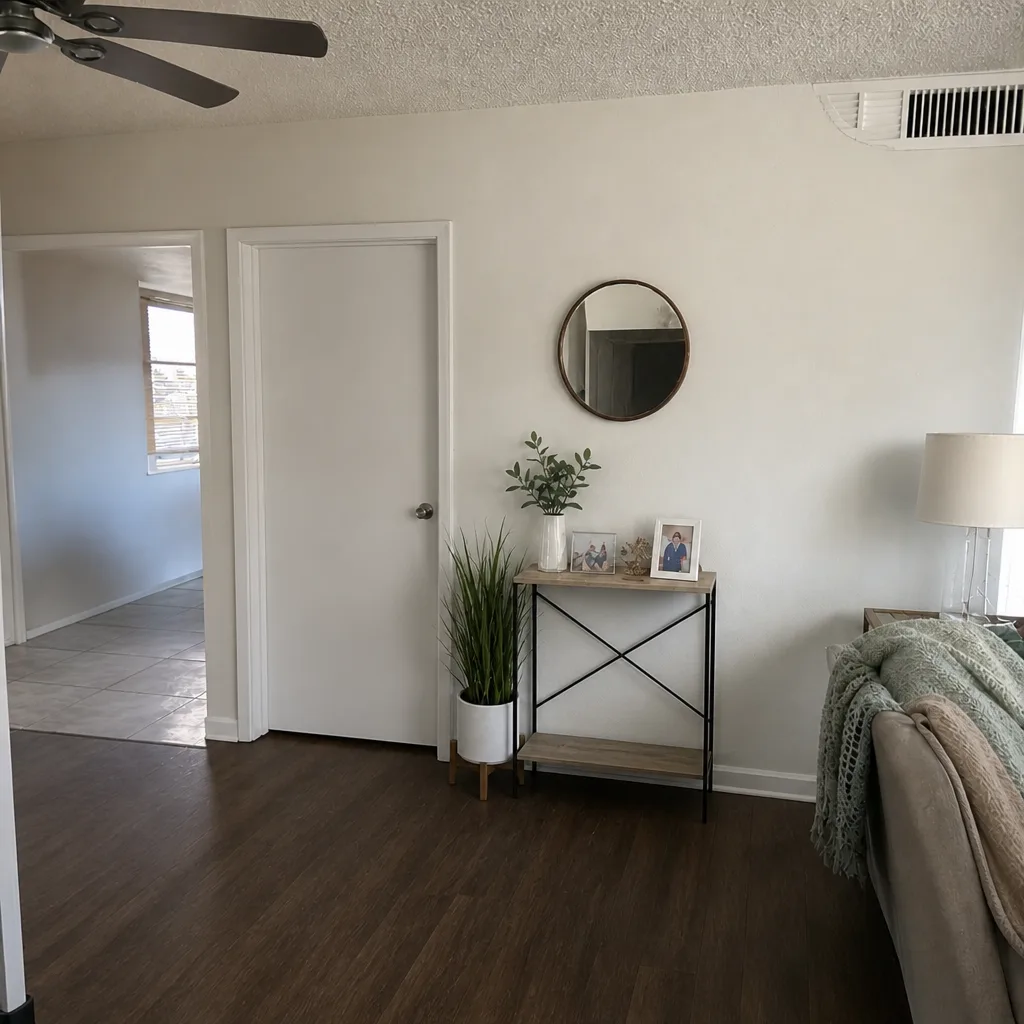 After
When to Call a Professional
Call a duct professional when you notice visible dust plumes at registers after cleaning your filter, uneven room-to-room temperatures, or a persistent musty smell that doesn’t clear with venting. If you’ve never had the system cleaned and you’ve lived in the home several years, an inspection is worth scheduling before problems compound. If your dryer feels hotter than usual, takes longer than it used to, or the vent flap outside doesn’t swing open fully, the dryer vent needs professional attention. And if your attic ductwork shows visible tears or disconnected joints, repair belongs on the same visit as cleaning.
Glendale Duct Cleaning offers free estimates in Glendale. Call (855) 745-4301 to schedule an inspection and get a written, whole-system price for your home.
Frequently Asked Questions
Air duct cleaning in Glendale typically runs $350 to $600 for a standard single-story home and $450 to $800 for larger two-story homes, with small homes starting around $300. The range covers the whole system, not per vent. Call (855) 745-4301 for an exact written estimate – estimates are free.
Cheap quotes are almost always teaser prices, either per-vent pricing that grows once the technician counts “extra vents” or a truncated job that skips the trunk cleaning, return cleaning, or post-verification. The low price has to recover somewhere. Whole-system pricing with before-and-after documentation is what a legitimate quote looks like. Call (855) 745-4301 for a quote that reflects the actual job.
You know because you get before-and-after photos of your own ducts, plus a phased description of what happened at each step. A contractor using commercial-grade equipment like Rotobrush or Nikro will document the inspection and the result. If a contractor won’t show you the work, that’s your answer. Call (855) 745-4301 to book a documented service.
Most homes in Glendale need it every three to five years, or sooner if you have pets, a recent renovation, or visible dust coming from registers. Homes with a well-sealed system and regular filter changes can stretch toward the five-year mark. The right interval depends on the home, not a fixed schedule.
Yes, and it’s the add-on that matters most. Lint buildup in the dryer exhaust ducting restricts airflow and creates a fire risk. It’s a different system from the HVAC ducts and needs its own service. Dryer vent cleaning is a genuine safety line item, not an upsell tacked onto a cleaning. Call (855) 745-4301 to schedule both.
Usually not. Once a system is mechanically cleaned and verified dry, there’s generally nothing for the coating to protect. Fogging without addressing the underlying moisture source is a recurring expense rather than a fix. If a contractor pushes it hard before inspecting the system, that’s a price red flag. Call (855) 745-4301 for an honest assessment.
The Bottom Line
The legitimate duct cleaning range in Glendale in 2026 is $350 to $600 for a standard single-story home and $450 to $800 for a larger two-story house, and that range reflects equipment, time, and documentation. The $89 coupons sit outside that range for a reason. A real job runs three to four and a half hours across five phases, with negative air setup, mechanical agitation of trunk and branches, register cleaning, and before-and-after verification. Per-vent pricing, undisclosed surcharges, mandatory filter purchases, and antimicrobial add-ons are the traps to watch for. Ask about equipment, ask about the phases, ask for photos, and hold any contractor to a whole-system price in writing.
Call (855) 745-4301 for a free estimate on air duct cleaning, dryer vent cleaning, or duct repair. We answer 24/7. Fast dispatch from 7am to 7pm, Sunday through Friday.
Written by the team at Glendale Duct Cleaning.