
Last updated November 16, 2026
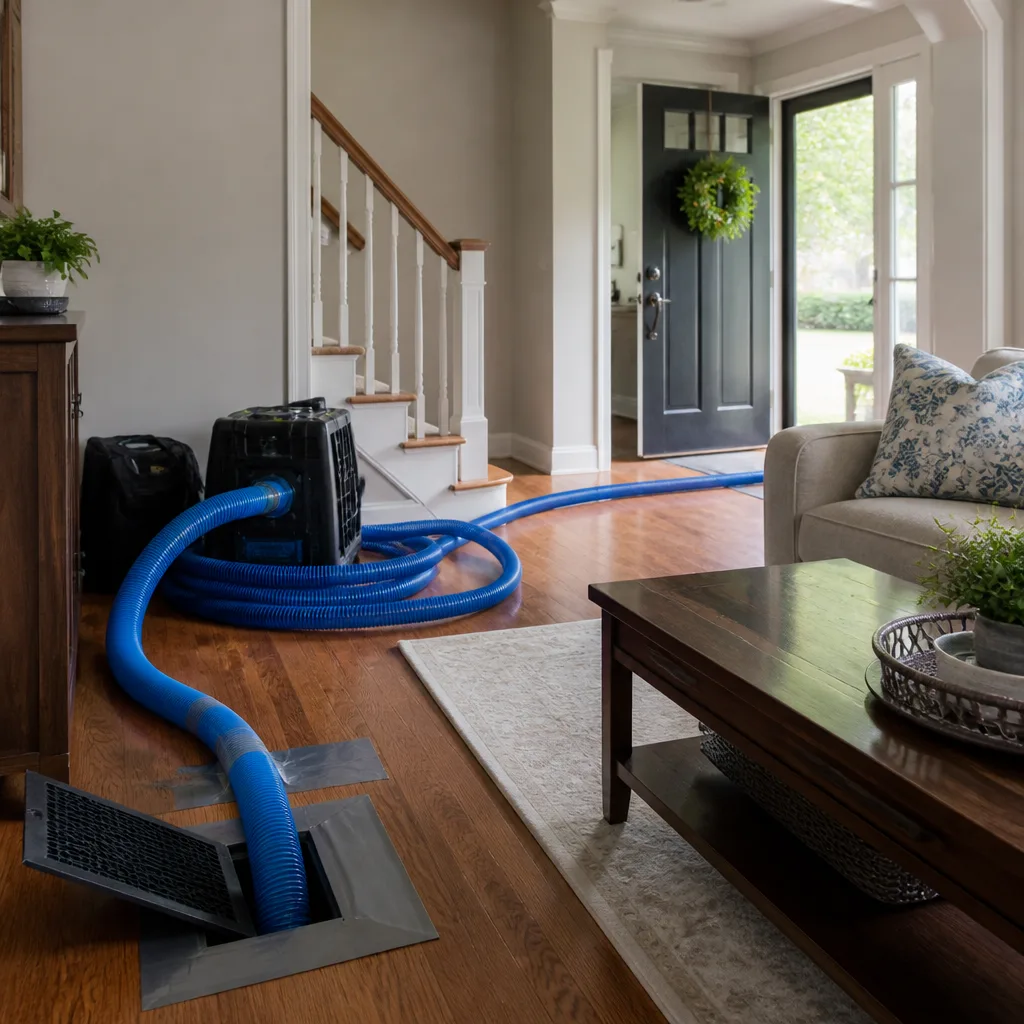 Whole-home duct cleaning
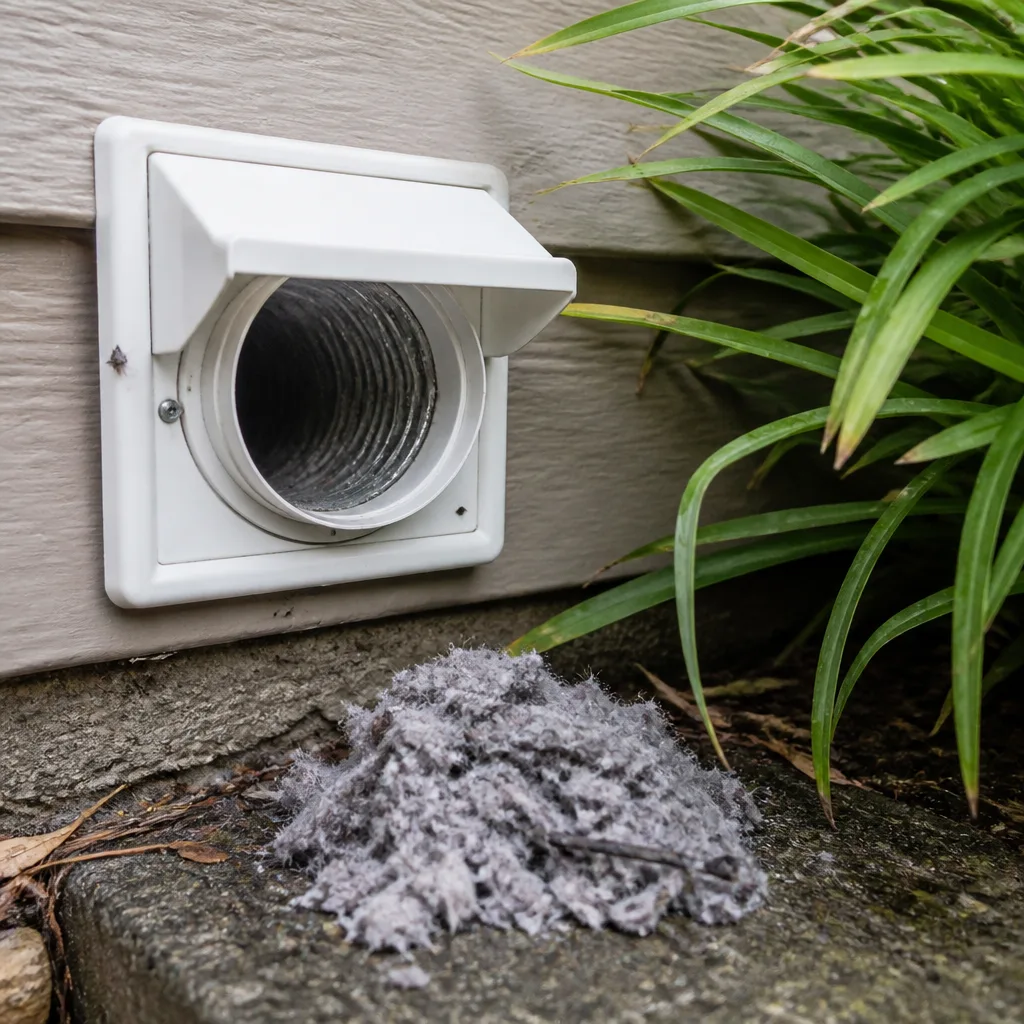 Dryer vent cleaning
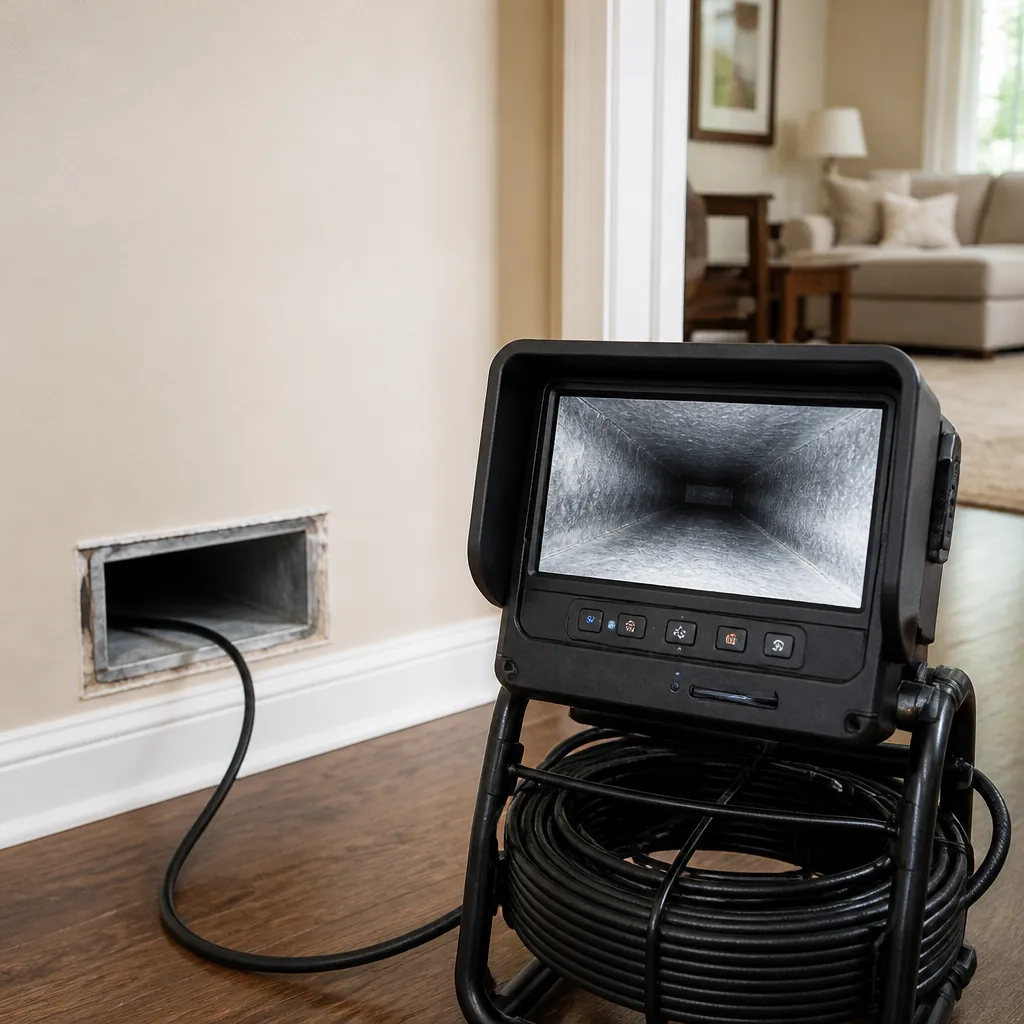 Camera inspection
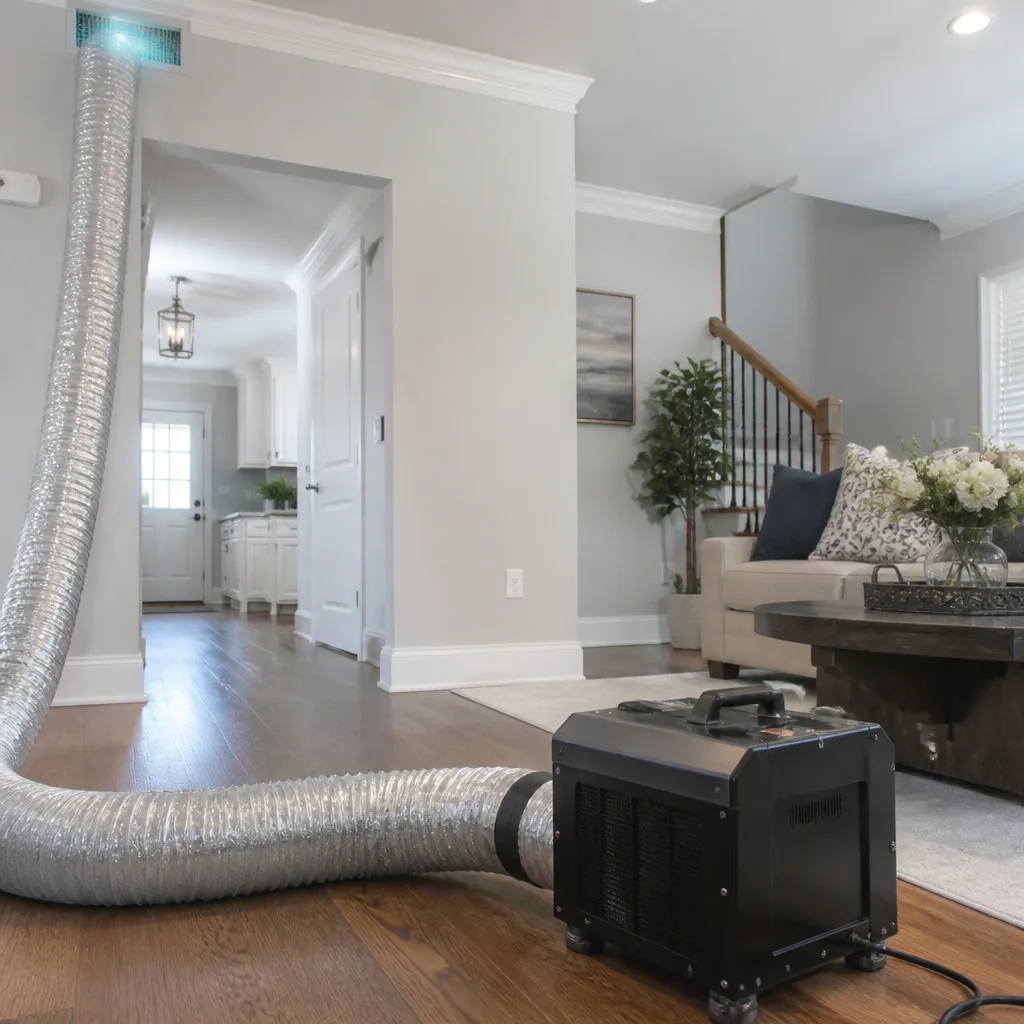 Sanitizing & deodorizing
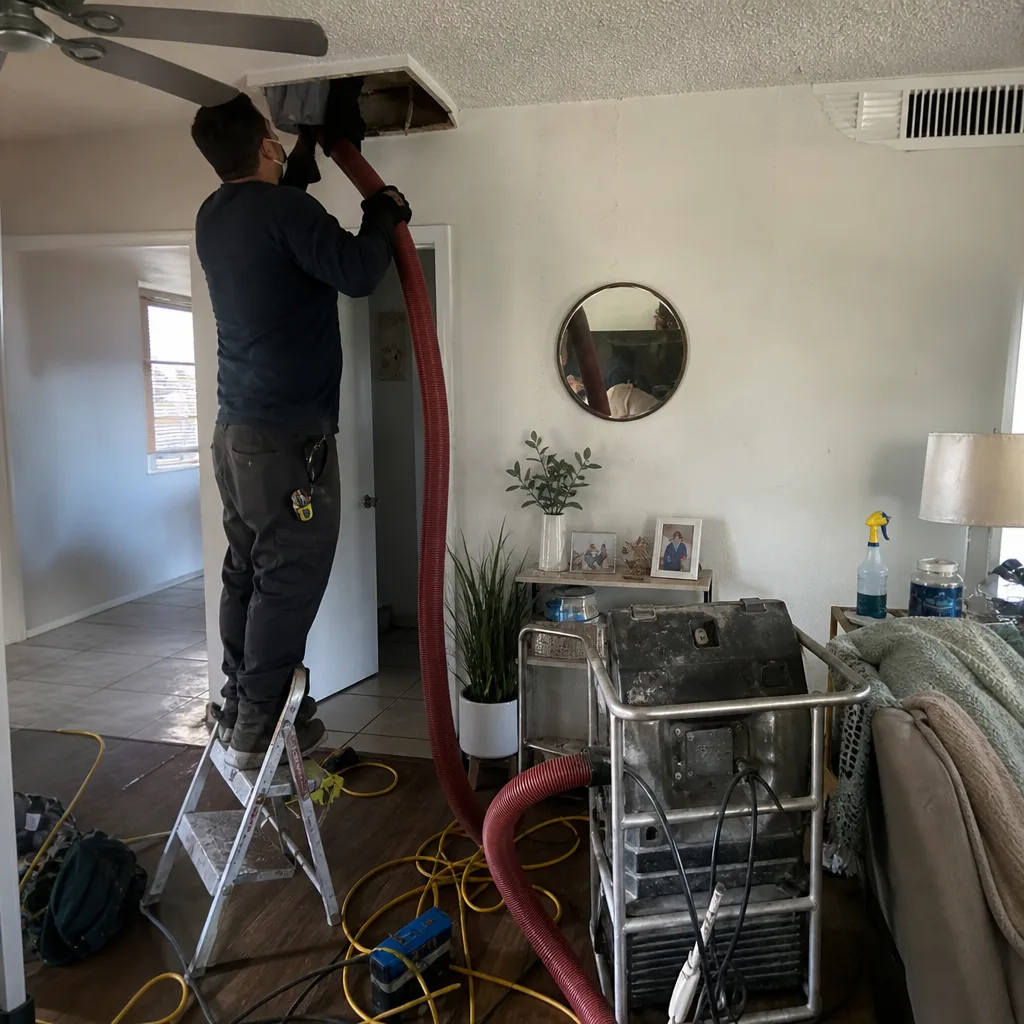
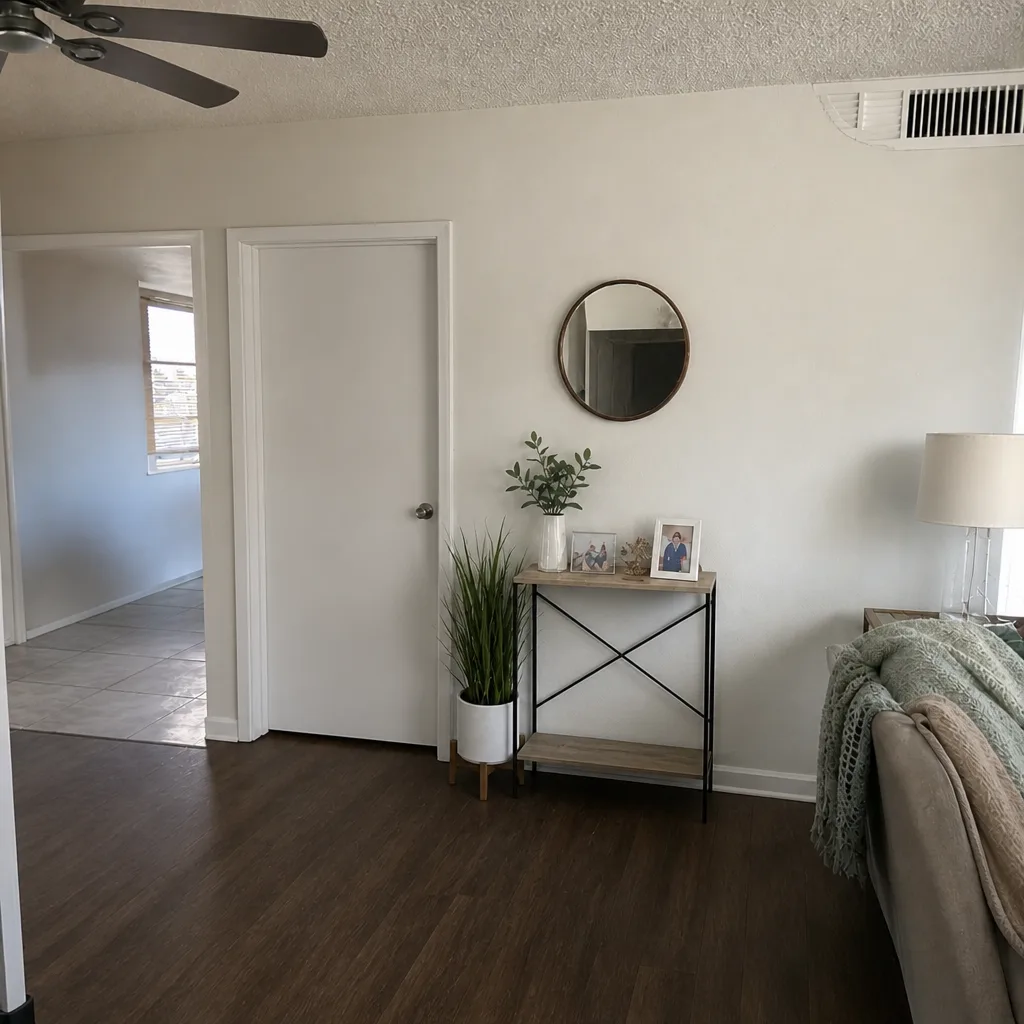
Whole-system duct and dryer vent check with before-and-after photos - you see exactly what came out of your vents
That "$99 whole-house special" is a bait ad - the real number appears once they are in your hallway, or the "clean" is a shop-vac at the register. We photograph the inside of your ducts before and after instead.
Air Duct Cleaning Maintenance Schedule: What to Do and When
The most common piece of duct cleaning advice in circulation is a flat number: every three to five years, for every home, everywhere. It sounds tidy. It also ignores almost everything that actually determines when your ducts need attention. Ducts in a Glendale home age on a different clock than ducts in a mild coastal climate, and the difference isn’t minor. Desert particulate load, months of extreme attic heat, active construction, pets, and how often the house sits empty all move the timeline. This guide replaces the generic rule with a condition-based schedule built for how homes here actually wear. You’ll learn what to track, when to act, and what a real maintenance visit should document.
Quick Answer
Most Glendale homes should have ducts professionally inspected every 2 to 3 years and cleaned when inspection shows meaningful buildup – often every 3 to 5 years for a typical household, every 2 to 3 years with pets or allergy sufferers, and sooner after renovation or a major dust event. Filter change intervals are your best early warning signal: filters that load up faster than usual usually mean the ducts are loading up too.
Styles & brands we work with
- Whole-home duct cleaning
- Dryer vent cleaning
- Camera inspection
- Sanitizing & deodorizing
Table of Contents
- Why the Generic “Every 3-5 Years” Rule Falls Short in the Desert
- A Glendale Maintenance Calendar: Seasonal Triggers That Actually Matter
- Filters as Your Early Warning System
- How Pets, Allergies, and Vacant Homes Change the Schedule
- Why Attic Duct Insulation Belongs in Your Maintenance Plan
- What a Real Maintenance Visit Should Inspect and Document
- When Cleaning Isn’t the Answer: Duct Repair as Part of the Schedule
- The Dryer Vent Timeline (And Why It’s Separate)
Why the Generic “Every 3-5 Years” Rule Falls Short in the Desert
The frequency guidance most homeowners have read about duct cleaning wasn’t written for a place where outdoor particulate levels can spike sharply during a haboob and where attic temperatures reach punishing highs in July. Those two conditions alone accelerate duct wear on a different clock than the national average assumes. A schedule that works for a humid climate with stable attic temps simply doesn’t map onto Glendale.
Three forces do most of the work here:
- Dust load. Fine desert particulate is relentless. It enters the return side, settles in duct runs, and coats the interior surfaces of flex duct, especially in homes with yards, nearby dirt lots, or ongoing construction. This isn’t a seasonal annoyance; it’s a steady accumulation.
- Heat cycling. Attics in Glendale routinely hit extreme temperatures in summer, then cool overnight. That daily swing stresses duct insulation, sealant, and connections. Insulation that sags or separates stops doing its job, and once it degrades, the duct collects more dust and loses more conditioned air.
- Construction and renovation. Any drywall work, remodel, or new build nearby pushes a wave of gypsum dust and debris into the system. That single event can compress years of normal accumulation into a few weeks.
The takeaway: your schedule should respond to conditions, not a calendar someone printed on a brochure. When you’re ready to act, our air duct cleaning service is built around exactly this kind of condition-based assessment rather than a one-size-fits-all interval.
A Glendale Maintenance Calendar: Seasonal Triggers That Actually Matter
Instead of “clean every few years,” think in terms of seasonal checkpoints. Glendale’s year has a rhythm, and each phase brings a specific maintenance trigger. This is the calendar we’d hand a homeowner who wants a real plan.
- Late spring (before monsoon season). This is your pre-monsoon prep window. Before the summer storms arrive, confirm the system is sealed and clean so that when dust does blow, it isn’t compounding an already-loaded duct system. Check insulation condition in the attic before the heat peaks.
- During and after monsoon (July-September). Haboobs and dust storms are the single biggest particulate events of the year. After a significant dust event, do a filter check within a week. If filters load up fast, schedule an inspection; post-haboob duct checks are worth taking seriously here.
- Post-renovation, any season. The moment drywall dust starts flying, plan a cleaning for after the work wraps. This is the one trigger that overrides the calendar entirely.
- Fall (before heating season). A pre-season inspection catches degraded insulation and loose connections before the system runs hard through winter. This is also a good time to assess filtration.
- Annually, regardless. Pull and inspect the dryer vent and confirm filters are being changed on schedule. Dryer vents follow their own timeline, covered further down.
A short note on why this matters in Glendale specifically: the gap between a mild winter and a brutal summer is where attics do their damage. Insulation and seals degrade fastest in that heat, so the pre-summer checkpoint isn’t busywork – it’s the one that protects the rest of the year.
Filters as Your Early Warning System
Here’s a mental shift worth making: your filter change interval is a leading indicator, not a lagging one. Most people treat a dirty filter as a chore. Read it instead as a signal about what your ducts are doing.
If you’ve always changed your filter on a set schedule – say every couple of months – and suddenly it’s loading up in half that time, something changed. Either the outdoor dust load spiked, the system is pulling from a dirtier source, or the ducts themselves are shedding accumulated debris back into the airstream. All three are reasons to inspect.
How to use filters as a gauge:
- Baseline first. Note how long a fresh filter lasts before it’s visibly loaded. That’s your normal.
- Watch for acceleration. If a filter that used to last two months is clogging in three or four weeks, your ducts are approaching a cleaning threshold.
- Match filter to system. Homes with Honeywell or Aprilaire filtration systems have specific filter specs and change intervals. Using the right filter and changing it correctly makes the signal readable. Glendale Duct Cleaning is trained on these systems and can tell you whether your current setup is actually protecting the equipment.
- Don’t over-filter a struggling system. A high-MERV filter on a system with restricted airflow or a loaded duct run can make things worse. Get the ducts evaluated before upgrading filtration.
This is the difference between reacting to a problem and spotting it early. A homeowner tracking filter life has a genuine diagnostic tool in hand.
How Pets, Allergies, and Vacant Homes Change the Schedule
The same street can have two houses on wildly different duct timelines. Household composition is often the reason. Here’s how the schedule bends for common Glendale situations.
Homes with pets
Pet dander and hair move through the return air and settle in duct runs faster than ordinary dust alone. For a home with one or more shedding pets, treat the inspection interval as every 2 years and expect cleaning roughly every 2 to 3 years, sooner if you notice reduced airflow at vents or increased dust on surfaces shortly after cleaning.
Households with allergy or asthma sufferers
When someone in the home is sensitive to airborne particulates, the tolerance for accumulated dust drops. Allergy-focused households should inspect every 2 years and clean on the faster end of any range. Pair cleaning with a post-cleaning filtration assessment – a Honeywell or Aprilaire upgrade considered after the ducts are clean, not before, is the sensible order.
Homes that sit vacant for months
This is a common seasonal pattern in Glendale, and it’s easy to get wrong. A vacant home isn’t a resting system. Dust still settles, and if the system runs intermittently or not at all, that settled dust just sits and compacts. When the house comes back into use, the first weeks push a concentrated load through the system. Vacant and seasonal homes should get an inspection on return, especially if the vacancy spanned a monsoon season or a renovation next door.
Property managers and landlords maintaining multiple units face all of these at once. A per-unit schedule that accounts for pets, occupancy patterns, and turnover saves money compared with cleaning reactively after a tenant complaint.
Why Attic Duct Insulation Belongs in Your Maintenance Plan
This is the piece most maintenance advice skips, and in a Glendale attic it’s the piece that matters most. Duct insulation is what keeps conditioned air from being lost to the attic before it reaches your rooms. In a climate where attics reach extreme summer temperatures, that insulation takes a beating through daily heat cycling, and degraded insulation changes how urgently the ducts need cleaning.
Here’s the connection. When insulation sags, separates, or degrades, the duct loses efficiency and its outer surface can collect condensation and dust. Seals at joints fail as materials expand and contract through the heat cycle. Once a duct is losing air and collecting debris, cleaning alone won’t fix the problem – the duct needs repair to hold the cleaning result.
What to have checked during a maintenance visit:
- Insulation condition along accessible duct runs – sagging, gaps, or separated sections.
- Seal integrity at joints and connections.
- Whether any run has pulled loose or is resting on debris.
- Overall attic conditions that affect duct longevity.
When insulation is compromised, the right sequence is clean, repair, then protect. That’s why our Glendale Duct Cleaning approach treats duct repair as a standalone service rather than forcing every job into a cleaning-only box. If the insulation or seals are failing, cleaning without repair is money spent twice.
What a Real Maintenance Visit Should Inspect and Document
There’s a wide gap between a professional duct inspection and a quick visual walkthrough. The difference is documentation. A real visit produces evidence; a weak one produces a verbal “looks fine.” Here’s the checklist that separates the two.
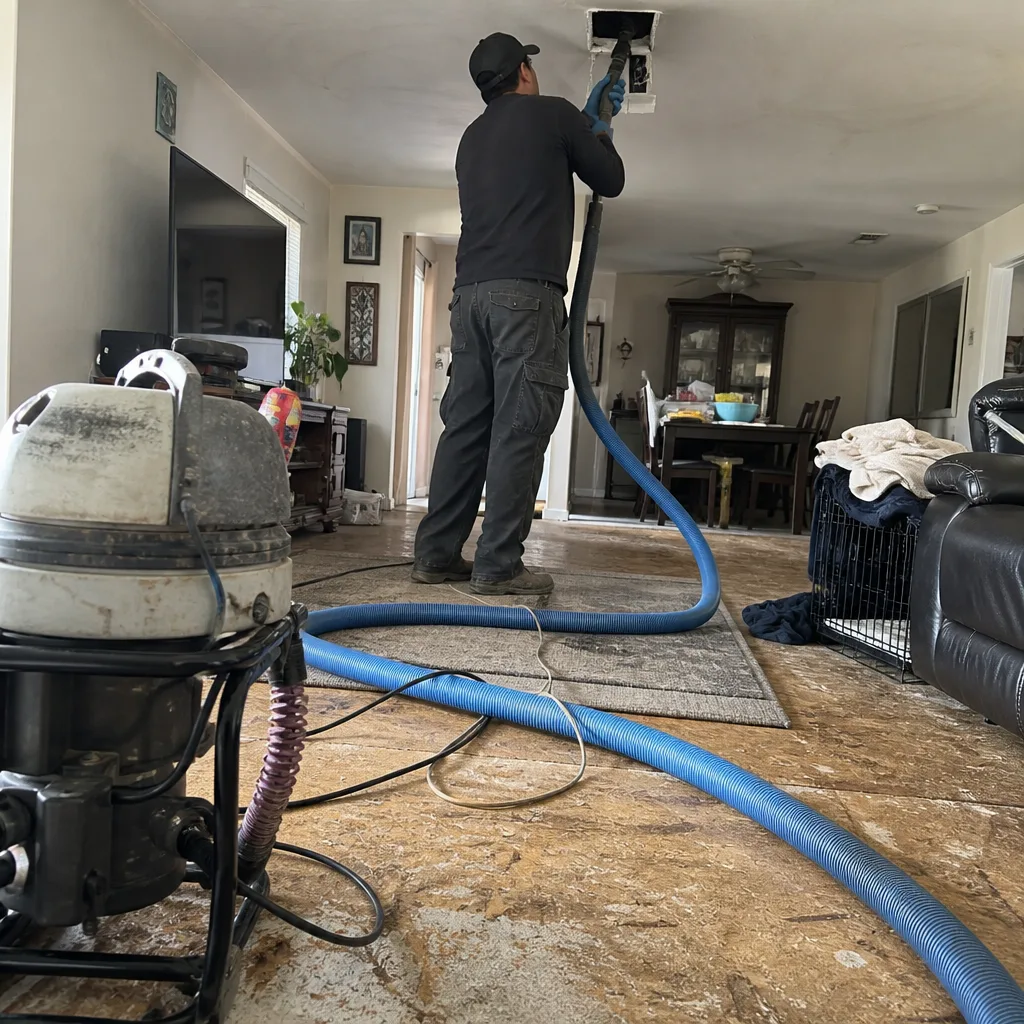
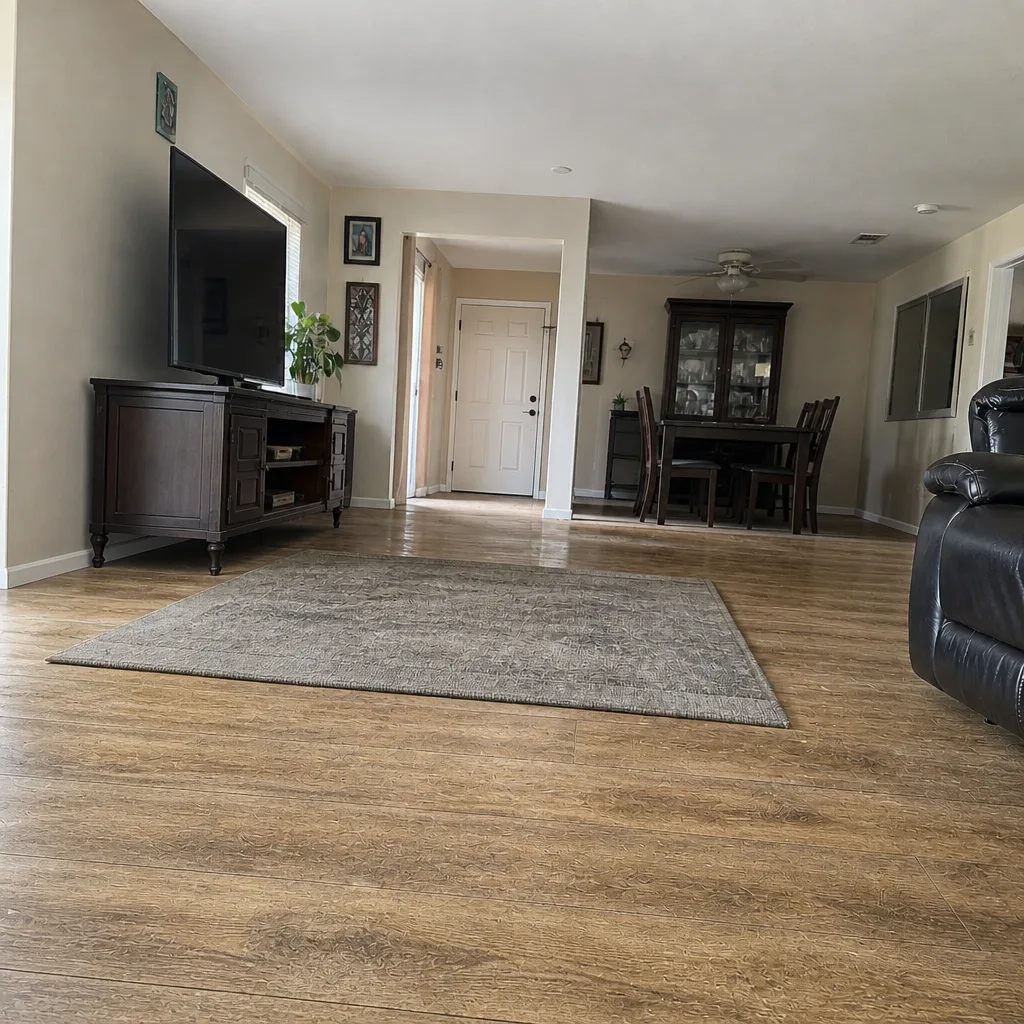
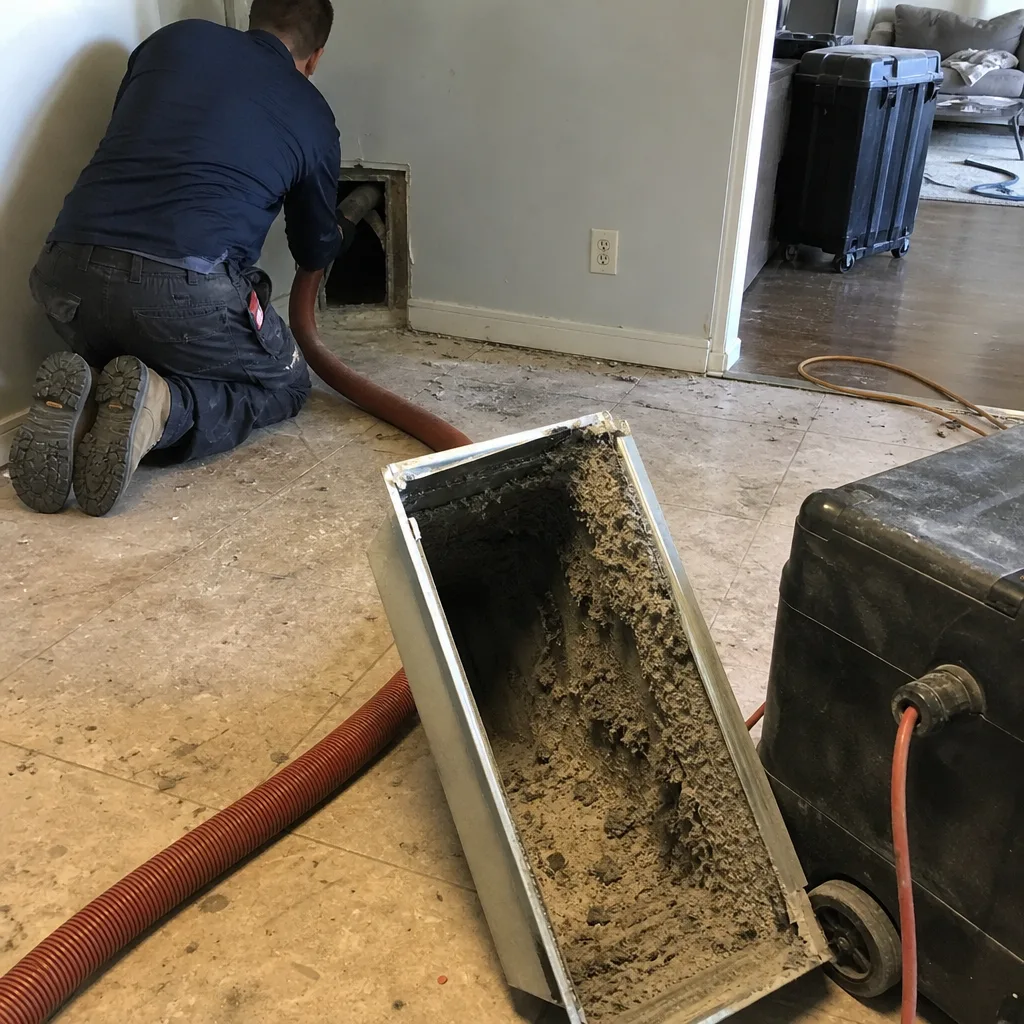
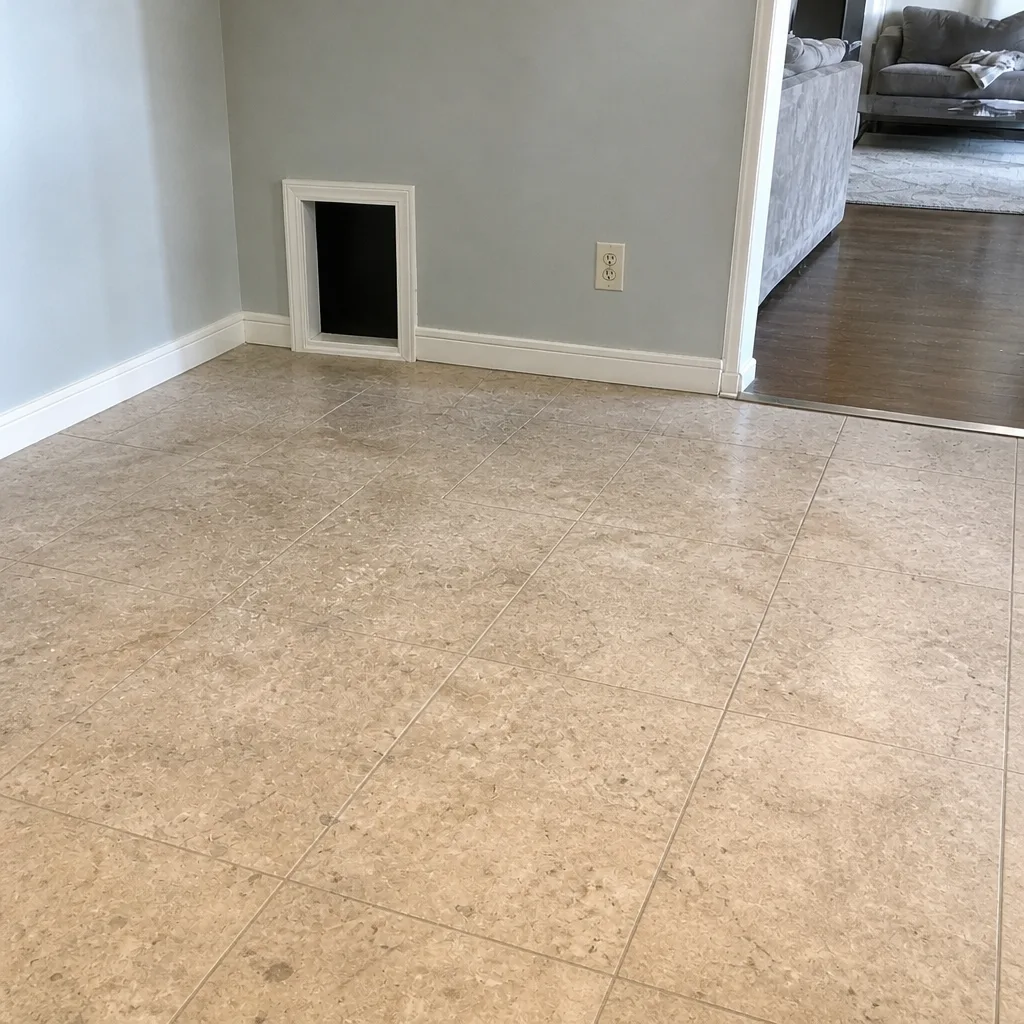
- Before-and-after photos of the actual ductwork. Not stock images – your ducts. This is the single most important item, and it’s how you know the work was actually done.
- Access point inventory. Where the technician opened the system, and whether all runs were reached or only the easy ones.
- Equipment used. Professional cleaning relies on rotary-brush-and-vacuum systems like Rotobrush and Nikro, not a shop vac. Ask what equipment is being used; the answer tells you what kind of service you’re buying.
- Insulation and seal condition notes. Documented, not glanced at.
- Buildup assessment. Where accumulation is heaviest and why – return side, specific runs, near the air handler.
- Filtration assessment. Whether the current filter setup matches the system.
- Written summary and any recommended repairs. Something you keep on file for the next visit.
At remediation-level scope, capability matters too. Carrying Abatement Technologies equipment signals the ability to handle air-quality problems that go beyond routine dust. You shouldn’t have to guess whether your ducts are actually clean; the documentation should make it obvious. Our technicians have up to experience, and the visit should feel like a documented evaluation, not a sales pitch.
When Cleaning Isn’t the Answer: Duct Repair as Part of the Schedule
Sometimes the maintenance question isn’t “when to clean” but “why cleaning won’t hold.” If your ducts have structural problems – disconnected runs, crushed sections, failed seals, degraded insulation – a cleaning resets the clock but the underlying issue keeps loading the system back up. The maintenance schedule should build in a repair assessment so you’re not paying to clean a duct that’s quietly falling apart.
Signs the schedule should trigger a repair evaluation:
- Rooms that never quite heat or cool like the rest of the house.
- Dust returning to surfaces faster than expected after a cleaning.
- Visible sagging or disconnected duct sections in an accessible attic.
- Higher energy use with no other explanation during peak summer.
Pairing repair with cleaning is the efficient order. Clean first, so the technician can see the true condition; repair to restore the system; then the next cleaning interval starts from a sound baseline. This clean-repair-protect progression is what a maintenance plan should look like in practice, and it’s why a dedicated duct specialist handles it differently than a general HVAC company adding cleaning as an upsell.
The Dryer Vent Timeline (And Why It’s Separate)
Dryer vent maintenance runs on its own clock, independent of the duct schedule, and it belongs in any serious home maintenance plan for a safety reason rather than a comfort one. Lint accumulates in the vent regardless of how clean your supply ducts are, and reducing that accumulation reduces fire risk. National Fire Protection Association guidance treats dryer vent cleaning as a regular safety task, and that framing is worth keeping.
A sensible Glendale timeline:
- Inspect the dryer vent annually, and clean it on a regular cadence based on how heavily the dryer is used.
- Clean more often in households that dry many loads per week.
- After any sign of reduced drying efficiency – longer cycles, a hot dryer, or a dryer that suddenly needs a second run – get the vent checked promptly.
This is why dryer vent cleaning sits alongside duct cleaning as a dedicated service rather than an afterthought. The two share a technician visit and a safety mindset, but they don’t share a timeline.
Common Mistakes to Avoid
- Treating the 3-5 year rule as fixed. Homes with pets, allergies, nearby construction, or a recent haboob need cleaning sooner, and a desert home with degraded attic insulation often needs it sooner still. Match the schedule to conditions.
- Fueling a shop-vac setup. A blower or consumer vacuum doesn’t reach the duct surfaces. Insist on professional rotary-brush-and-vacuum equipment like Rotobrush or Nikro.
- Ignoring filter acceleration. A filter loading up faster than its baseline is telling you the ducts are loading up too. Don’t dismiss it.
- Cleaning without assessing insulation. In a Glendale attic, degraded insulation and seals undo a cleaning faster than dust alone. Have insulation and seals documented on every visit.
- Waiting until a tenant or family complains. Reactive cleaning costs more than a scheduled inspection, and it hides the early signals that would have saved the work.
- Forgetting the dryer vent. It’s a separate timeline with a fire-prevention purpose. Leaving it off the plan is a common and unnecessary risk.
- Skipping the before-and-after photos. Without documented photos of your own ducts, you can’t verify the work. Ask for them every time.
See the difference
 Before
 After
 Before
 After
 Before
 After
When to Call a Professional
Some situations don’t need a scheduled inspection – they need a call now. Reach out if filters clog far faster than usual, if dust returns to surfaces within days of a cleaning, if a room won’t heat or cool like the rest, if you’ve just finished a renovation or weathered a significant dust event, if the dryer cycle lengthens unexpectedly, or if you’re a property manager preparing a unit for new occupants after a vacancy. Glendale Duct Cleaning offers free estimates in Glendale – call (855) 745-4301. We answer 24/7. Fast dispatch from 7am to 7pm, Sunday through Friday, and the written estimate sets the final price before any work starts.
Frequently Asked Questions
Most Arizona homes fall in the three-to-five-year range for cleaning, with an inspection every two to three years. In Glendale specifically, desert dust load and extreme summer attic heat push many homes toward the faster end, so condition-based inspection matters more than a fixed number.
Yes. Haboobs and dust storms are the largest single particulate events of the year here, and a significant dust event can accelerate the buildup inside your ducts noticeably. A filter check within a week of a big storm, plus a duct inspection if filters load up fast, is a reasonable response.
Plan on an annual inspection and cleaning on a regular cadence matched to how heavily the dryer is used. Households running many loads per week need it more often, and any change in drying efficiency is a reason to check sooner rather than later. This is a fire-safety task, not a convenience one.
Ask for before-and-after photos of your own ductwork and a written summary that notes where access was made and what was found. Professional equipment like Rotobrush and Nikro reaches surfaces a shop vac can’t, and documentation shows the work rather than just describing it.
Often, yes. A vacant home still collects dust, and when it comes back into use the settled debris gets pushed through at once. An inspection on return, especially after a vacancy that spanned a monsoon season or nearby construction, is a sensible step.
Degraded insulation and failed seals let air escape and let the duct collect more debris, so the ducts re-load faster after cleaning. When insulation is compromised, cleaning without repair doesn’t last, so the schedule should include an insulation and seal assessment on every visit.
The Bottom Line
The right maintenance schedule for a Glendale home is built from conditions, not a single universal number. Track your filter intervals as an early warning, use a seasonal calendar keyed to pre-monsoon prep and post-haboob checks, adjust for pets, allergies, and vacancy, and assess attic insulation on every visit. Inspect roughly every two to three years and clean when the inspection shows it’s needed. For a documented, equipment-backed evaluation – and the Glendale Duct Cleaning team behind it – call (855) 745-4301. We answer 24/7. Fast dispatch from 7am to 7pm, Sunday through Friday, and the written estimate sets the final price.
Written by the team at Glendale Duct Cleaning.